
Why Is Sports Ministry Drafting 100-Year Indonesian Youth Blueprint?
Why Is Sports Ministry Drafting 100-Year Indonesian Youth Blueprint? Why Is Sports Ministry Drafting 100 Year - The Indonesian Ministry of Youth and Sports
Why Is Sports Ministry Drafting 100-Year Indonesian Youth Blueprint?
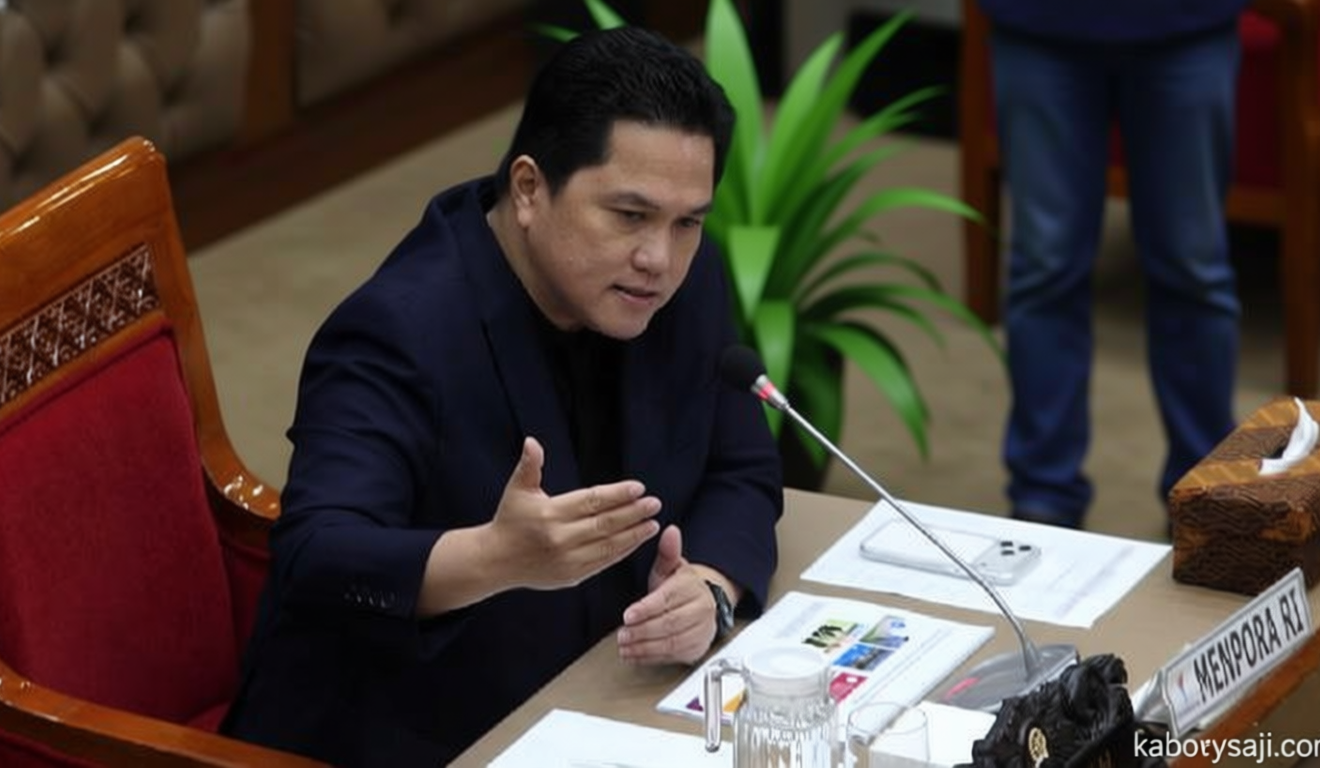
Why Is Sports Ministry Drafting 100 Year – The Indonesian Ministry of Youth and Sports has introduced a groundbreaking initiative that spans a century, aiming to redefine the nation’s approach to youth development. This long-term strategy, centered around the Why Is Sports Ministry Drafting 100-Year Indonesian Youth Blueprint, seeks to address the evolving demands of Indonesia’s youth population by integrating sports, education, and innovation into a cohesive framework. Minister Erick Thohir, who has been instrumental in shaping this plan, emphasized its significance during a virtual session with House Committee X, where he underscored the need for sustained investment in youth to ensure national progress for generations to come.
The Vision Behind the 100-Year Plan
Thohir’s vision for the blueprint is rooted in the historical context of Indonesia’s Youth Pledge, a pivotal moment in the country’s independence movement that occurred in 1928. This anniversary has prompted a reevaluation of how the youth sector is approached today. “The 100-year plan is not just about sports; it’s about building a foundation for the future of Indonesia’s youth,” he stated. The initiative recognizes that the current strategies, while effective in certain areas, may not be sufficient to meet the challenges of the coming decades. By focusing on long-term goals, the Ministry aims to create a sustainable model that fosters leadership, innovation, and productivity among young Indonesians.
The blueprint envisions a comprehensive approach where sports serve as a catalyst for broader youth development. While athletics remain a core component, the plan emphasizes the integration of sports with other critical areas such as education, technology, and entrepreneurship. Thohir highlighted that this shift is necessary to align with global trends and ensure Indonesia’s youth are competitive on the international stage. “The goal is to create a generation that is not only physically fit but also mentally resilient and socially empowered,” he explained, underscoring the multifaceted nature of the 100-year plan.
Demographic Challenges and Strategic Investments
Indonesia’s youth demographic, which accounts for over 64 million individuals, represents a significant opportunity for national growth. However, recent data shows that the youth index has remained stagnant or progressed slowly, raising concerns about the potential for a demographic bonus to become a liability. Thohir stressed that the Ministry’s new blueprint is designed to prevent this outcome by fostering innovation and productivity through targeted investments. “Youth development is a strategic investment that shapes Indonesia’s future leadership, innovation, and global competitiveness,” he noted, emphasizing the need for a proactive rather than reactive approach.
The plan includes a performance-driven budgeting model to ensure efficiency and maximize impact. In the 2027 budget, the youth sector’s allocation has been nearly tripled, reflecting the government’s commitment to long-term development. Thohir acknowledged that such investments may not yield immediate results but are essential for cultivating a generation that can contribute meaningfully to the nation’s economic and social progress. “We must be patient and consistent, as the effects of these strategies will unfold over time,” he said, highlighting the importance of sustained effort in achieving the blueprint’s goals.
“The 2028 Youth Pledge anniversary serves as a reminder that our strategies must evolve to meet the challenges of the next 100 years. I’m confident that the changes we’re implementing will create a lasting impact on Indonesia’s youth,” Thohir stated. His remarks reflect a growing recognition that the Ministry’s role extends beyond sports to encompass holistic development. By aligning with the historical significance of the Youth Pledge, the blueprint aims to inspire a sense of national responsibility and continuity in youth empowerment.
Expected Outcomes and Long-Term Impact
The 100-year blueprint is expected to yield measurable outcomes in the coming decades, particularly in areas such as education and workforce readiness. By focusing on skill development, digital literacy, and mentorship programs, the Ministry hopes to create a pipeline of talent that can drive Indonesia’s economic growth. Thohir also mentioned the importance of addressing social issues such as youth unemployment and inequality, which he believes can be mitigated through a well-rounded strategy. “Our aim is to ensure that every young Indonesian has the opportunity to thrive, regardless of their background,” he said, painting a picture of a more equitable future.
Additionally, the blueprint emphasizes collaboration between government agencies, private sector stakeholders, and local communities. This multi-pronged approach ensures that youth development initiatives are tailored to the specific needs of different regions and demographics. Thohir pointed out that such partnerships are crucial for scaling successful programs and creating a culture of innovation. “We’re not just investing in sports; we’re investing in the future of Indonesia,” he concluded, reinforcing the long-term vision of the 100-year plan.