
Which Clubs Have the Most Players in the 2026 World Cup Semifinals?
Which Clubs Have the Most Players in the 2026 World Cup Semifinals? Which Clubs Have the Most Players - As the 2026 FIFA World Cup progresses into its
Which Clubs Have the Most Players in the 2026 World Cup Semifinals?
Which Clubs Have the Most Players – As the 2026 FIFA World Cup progresses into its semifinal stage, the spotlight shifts not only to the national teams vying for glory but also to the clubs that have consistently produced and nurtured elite talent. The question of which clubs have the most players in this global stage highlights the deep integration of club football with international competition. From European giants to emerging forces, a select group of clubs has secured multiple representatives in the semifinals, reflecting their status as powerhouses in the modern game. This analysis explores the clubs with the highest number of players in the tournament, their contributions to the teams, and the broader implications of their dominance.
European Dominance: Clubs with the Most Players
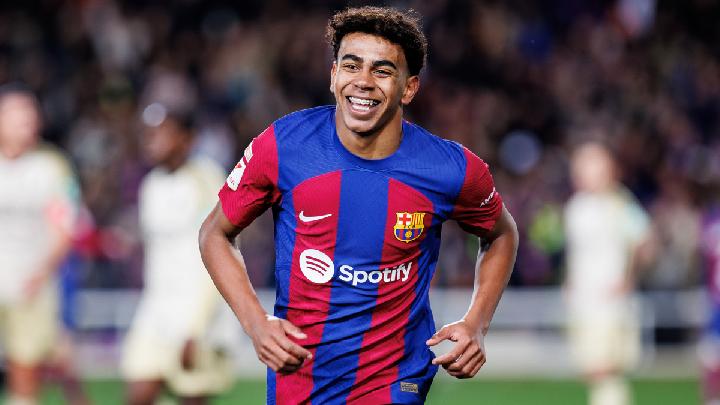
The semifinal stage of the 2026 World Cup is dominated by clubs from Europe, showcasing the region’s unparalleled depth in football talent. Barcelona, Atletico Madrid, and Arsenal lead the list, with each contributing a significant number of players to the competing nations. Barcelona, known for its famed La Masia academy, has once again proved its ability to develop world-class players, with a total of 10 athletes making it to the semifinals. This includes several key figures like Lamine Yamal, Pedri, and Gavi, who have become central to Spain’s campaign. Atletico Madrid, another Spanish club, brings in nine players, many of whom are vital to Argentina’s success. Meanwhile, Arsenal, the English club, has eight players across the semifinal teams, contributing heavily to England’s squad. This pattern underscores the growing influence of European clubs in shaping the global football landscape.
Among the clubs with the most players, Barcelona’s squad is particularly noteworthy. The club’s academy has produced a generation of stars, with multiple players from the same team representing different nations. Spain, for instance, has benefited from Barcelona’s youth system, while other countries like France and England have also drawn talent from the club. Atletico Madrid, on the other hand, has become a breeding ground for Argentine football, with several players from the team playing pivotal roles in the nation’s semifinal journey. Arsenal, though not as historically dominant as Barcelona or Atletico, has still managed to field eight players, demonstrating the club’s ability to attract and develop international talent. This concentration of players from a few clubs raises interesting questions about the balance between national teams and club loyalty in global football.
Global Reach: Beyond Europe’s Elite
While European clubs dominate the list of which clubs have the most players, other regions are also making their mark. Clubs from South America and Asia have contributed a handful of athletes to the semifinal stage, though their presence is still limited compared to Europe. For example, Brazilian clubs like Flamengo and Palmeiras have provided players to France and Spain, while English clubs such as Manchester City and Liverpool have also had a strong showing. The inclusion of players from these clubs highlights the increasing globalization of football, where talent is no longer confined to a single continent. However, the majority of the semifinalists still come from Europe, emphasizing the region’s continued supremacy in producing top-tier players.
Another aspect to consider is the role of these clubs in the World Cup’s history. Clubs like Barcelona and Atletico Madrid have consistently produced players who have played key roles in major tournaments, reinforcing their reputation as football factories. The 2026 semifinal stage is no exception, with these clubs contributing to the success of multiple nations. For instance, Spain’s squad is heavily influenced by Barcelona’s academy, while Argentina’s lineup includes several players from Atletico Madrid. This dynamic shows how club football and national teams are deeply interconnected, with players often representing their clubs before transitioning to international duties. The question of which clubs have the most players is therefore not just about numbers but also about the influence these clubs wield on the global stage.
The significance of club dominance in the World Cup semifinals cannot be overstated. With so many players from a few clubs, the competition becomes a test of not only individual skill but also team cohesion and strategy. The presence of multiple players from the same club in the semifinal stage also creates a unique scenario where their chemistry and understanding of each other can be a decisive factor. For example, Barcelona’s players in Spain’s squad have a history of working together, which may give them an edge in tight matches. Similarly, Atletico Madrid’s players in Argentina’s team are known for their physicality and tactical discipline, traits that are crucial in high-stakes games. This level of club representation in the semifinals adds another layer of complexity to the tournament, as the success of one nation may depend on the performance of its affiliated clubs.
Read: Kylian Mbappe vs Lamine Yamal: World Cup Semifinal Head-to-Head
Looking ahead, the 2026 World Cup semifinals will be a showcase of the clubs that have shaped the future of football. The dominance of which clubs have the most players in this stage reflects a broader trend in the sport, where clubs like Barcelona, Atletico Madrid, and Arsenal continue to play a central role in national team success. As the tournament progresses, fans will be watching closely to see how these club talents perform under pressure. The question of which clubs have the most players in the semifinals is not just about statistics; it’s about understanding the impact of club systems on international football and the future of the sport. With the World Cup drawing to a close, the legacy of these clubs will be remembered for their contributions to the game’s most prestigious competition.
Click here to get the latest news updates from Tempo on Google News