
What Does Refugee Protection Look Like in Indonesia?
s Refugee Protection Look Like in Indonesia? A Comprehensive Overview What Does Refugee Protection Look Like in Indonesia is a critical question as the nation
What Does Refugee Protection Look Like in Indonesia? A Comprehensive Overview
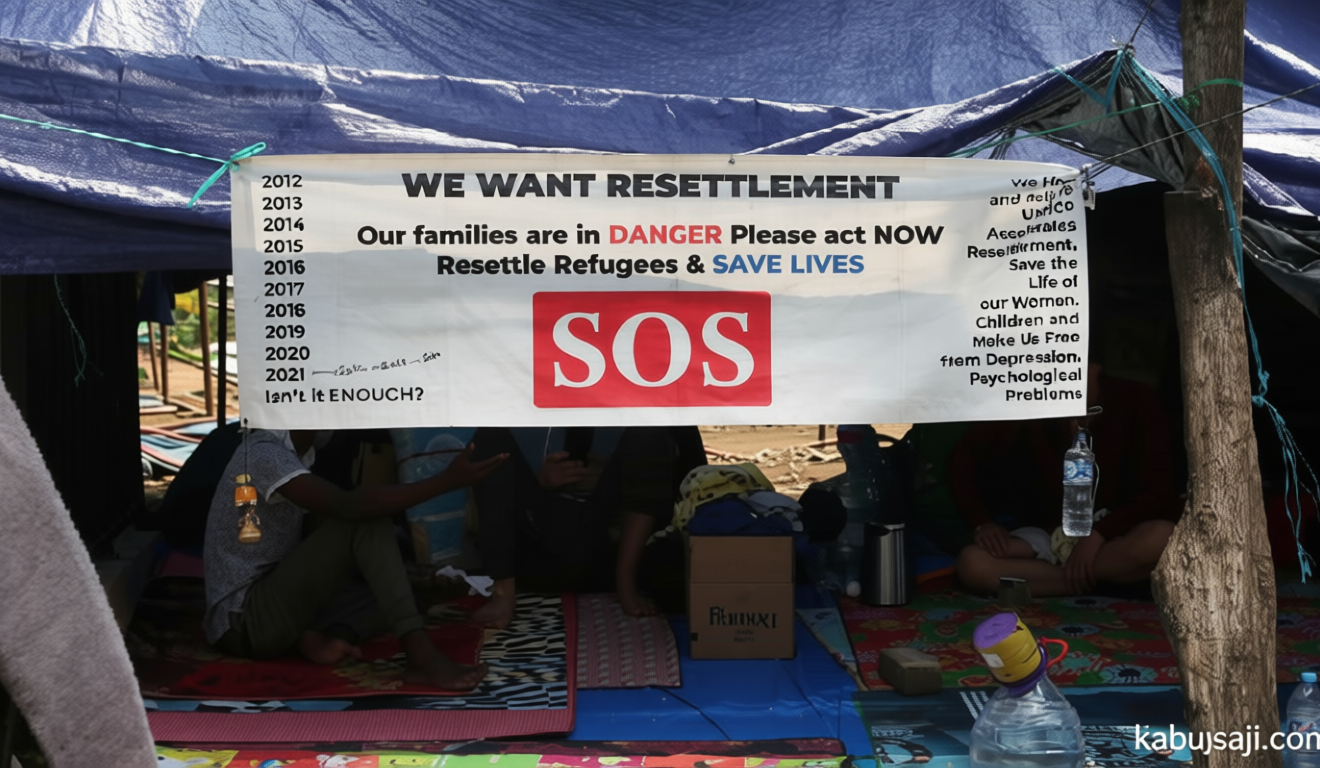
What Does Refugee Protection Look Like in Indonesia is a critical question as the nation navigates its role in global displacement. Indonesia, while not a signatory to the 1951 Refugee Convention, has emerged as a key player in regional refugee management, offering unique solutions to those fleeing conflict, persecution, or natural disasters. The country’s approach combines informal aid networks, government policies, and community engagement to support displaced individuals. As highlighted by UNHCR Indonesia, the system has gained recognition for its adaptability, particularly in the face of growing challenges posed by climate change and increasing migration flows.
Indonesia’s Humanitarian Model: Flexibility Over Formality
Indonesia’s refugee protection framework relies heavily on its national legal system, which allows for the temporary granting of asylum to individuals in need. This system has been instrumental in addressing the surge of asylum seekers from neighboring countries, especially in regions like Aceh and Kalimantan. While the country has not ratified the international refugee convention, its practical approach has demonstrated a commitment to human dignity. This model emphasizes collaboration between local governments, NGOs, and refugee communities to create sustainable support structures.
Refugee Protection Look Like in Indonesia is characterized by its integration of informal and formal mechanisms. For example, humanitarian organizations often partner with local leaders to provide education, vocational training, and health services. These efforts are complemented by initiatives that encourage refugees to contribute to the economy, such as micro-enterprise programs or participation in agricultural labor. Such initiatives not only empower displaced individuals but also strengthen the communities they join, illustrating a dual benefit for host and refugee populations.
Global Context and Indonesia’s Strategic Position
Refugee Protection Look Like in Indonesia is part of a broader global trend where host countries adopt hybrid systems to manage displacement. According to the UNHCR, Indonesia hosts over 20,000 refugees, primarily from Syria, Afghanistan, and Myanmar. These individuals often face prolonged displacement due to the lack of formal legal pathways for permanent residency. However, the country’s strategic location in Southeast Asia and its cultural openness have made it a preferred destination for many seeking safety.
What Does Refugee Protection Look Like in Indonesia is also shaped by its role in regional cooperation. Indonesia has worked closely with Malaysia, Thailand, and other ASEAN nations to develop shared strategies for addressing refugee and migrant flows. This collaborative spirit is evident in the implementation of programs that support voluntary repatriation, resettlement, and social integration. By engaging with international partners, Indonesia aims to balance its national interests with global humanitarian obligations.
Challenges and Opportunities in Refugee Integration
Despite its progress, Indonesia’s refugee protection system faces several challenges. The absence of a formal legal framework means that many refugees remain in a state of uncertainty, with limited access to long-term residency or citizenship. Additionally, the country’s economic structure often restricts employment opportunities, as refugees are typically granted temporary permits rather than full work rights. These issues highlight the need for more comprehensive policies that ensure refugees can thrive economically and socially.
Refugee Protection Look Like in Indonesia is also influenced by the country’s evolving socio-political landscape. As climate change drives displacement, Indonesia has taken proactive steps to accommodate environmental refugees, particularly from the islands of Sumbawa and Papua. These efforts underscore the nation’s adaptability and its willingness to innovate in the face of new challenges. However, sustained investment and policy refinement are essential to ensure that this system remains effective for future generations.
Stories of Resilience and Community Impact
What Does Refugee Protection Look Like in Indonesia is best understood through the lived experiences of those it supports. Take Amed, a community leader who organizes informal education programs for refugee children, fostering a sense of belonging and hope. Similarly, Amina, a former karate instructor from Afghanistan, mentors neighbors through local initiatives, demonstrating how refugees contribute to their host communities. These stories highlight the transformative power of refugee-led efforts, which often fill gaps in formal systems.
“When refugees are given the chance to use their talents, continue learning, and engage with society, the results are transformative,” said Emily Bojovic, a senior protection officer at UNHCR Indonesia. “Their efforts not only empower themselves but also strengthen the communities they join.”
Refugee Protection Look Like in Indonesia is also a testament to the resilience of both refugees and host communities. While challenges persist, the collaborative spirit between government agencies, NGOs, and local populations ensures that refugees are not just recipients of aid but active participants in their own integration. This dynamic model continues to evolve, reflecting Indonesia’s commitment to humanitarian values in a rapidly changing world.