Water Breaks: The Most Controversial Issue at the World Cup
roversial Issue at the World Cup Water Breaks - At the Boston Stadium, a group stage clash between England and Ghana took an unexpected turn after 22 minutes
Water Breaks: The Most Controversial Issue at the World Cup
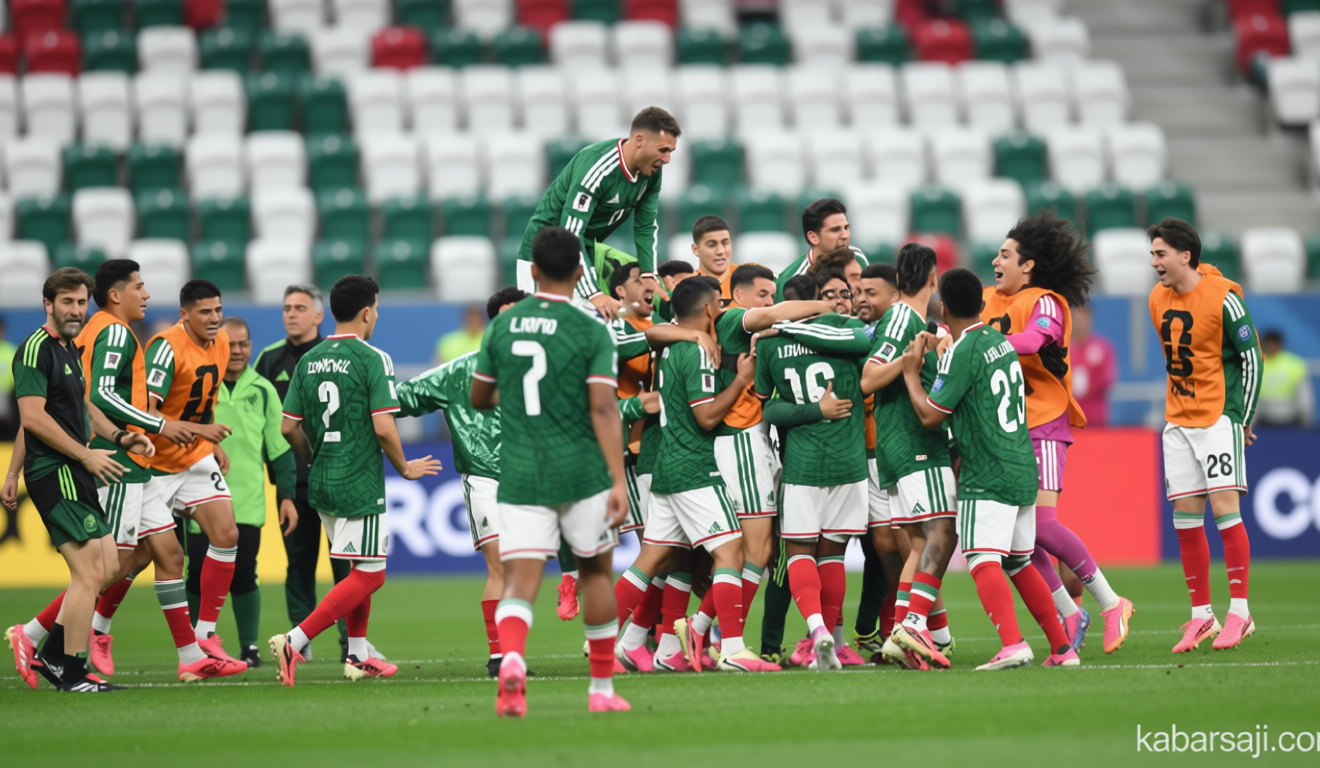
Water Breaks – At the Boston Stadium, a group stage clash between England and Ghana took an unexpected turn after 22 minutes when play was halted for a hydration break. The interruption drew sharp disapproval from fans, whose boos filled the stands as players moved to the sidelines and coaches gathered their teams for short tactical discussions. This early stage of the tournament has already highlighted how these mandatory pauses have ignited heated debates among supporters.
The Rule’s Origin
Hydration breaks were introduced to aid players in dealing with the summer heat. During this World Cup, matches are paused twice beyond the standard halftime, typically around the 22nd and 67th minutes. Unlike earlier tournaments or league games, the timing of these breaks isn’t always dictated by temperature, though the idea was first tested during last summer’s Club World Cup due to extreme conditions.
On the Sidelines of the Game
“I don’t like this water break,” remarked an Iraq fan in Philadelphia. “If players need a drink, they should do it before taking a corner kick.”
“The air conditioning is running here, so where is the heat?” added a spectator watching Argentina face Austria in Dallas. “It’s not even hot enough for these breaks.”
While some argue the pauses provide strategic advantages, others see them as disruptions. Coaches use the time to reorganize tactics, adjust formations, and alter the rhythm of the game. Fans, however, feel the interruptions break the natural flow of play.
A Shift in Momentum
Research by The Times analyzed group-stage matches using Opta data and found that 32% of games saw a notable change in momentum following the first hydration break. Another 26% experienced shifts after the second. On average, match momentum dropped by 17% post-interruption. The study noted that teams with prior momentum often faced sharper declines.
Critics on and off the Field
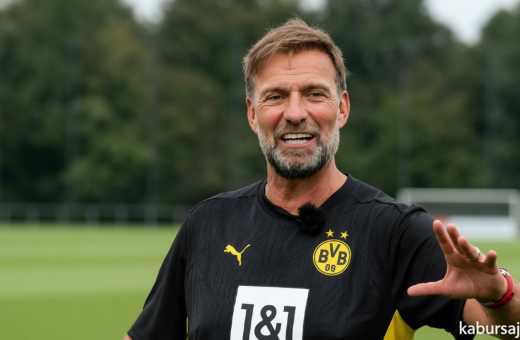
“There’s a problem with the length of the water breaks and what TV broadcasters or FIFA do during them,” said former Liverpool and Dortmund manager Jürgen Klopp. “They give coaches more influence, but they also disrupt the game’s rhythm.”
Players and coaches have expressed concerns about the breaks’ effectiveness. Netherlands captain Virgil van Dijk pointed out that the pauses might not be ideal for viewers watching on TV. England’s Thomas Tuchel criticized the extra time, calling it unnecessary. Paraguay’s Gustavo Alfaro went further, suggesting that soccer is becoming more like a four-quarter structure, similar to American sports such as basketball and football.
Financial Implications
Another layer of controversy surrounds the financial benefits for FIFA. In many nations, broadcasters have begun using these guaranteed stoppages for commercial breaks, a practice rare in soccer before. A fan in the U.S. acknowledged the logic: “They have to fit in their advertising; from a corporate perspective, that probably makes sense.”
Even the hydration breaks themselves carry a sponsor, whose name is displayed on the stadium screen at the start of each pause. FIFA President Gianni Infantino has denied that the organization profits from the breaks, stating, “We don’t earn a single extra dollar because all contracts were signed before the rule was introduced.” Yet, he acknowledged plans to review the World Cup experience before deciding the breaks’ future.