
VP Gibran Says Indonesia’s Development Is No Longer Java-Centric
VP Gibran Says Indonesia's Development Is No Longer Java-Centric VP Gibran Says Indonesia s Development - During a recent visit to West Papua, Vice President
VP Gibran Says Indonesia’s Development Is No Longer Java-Centric
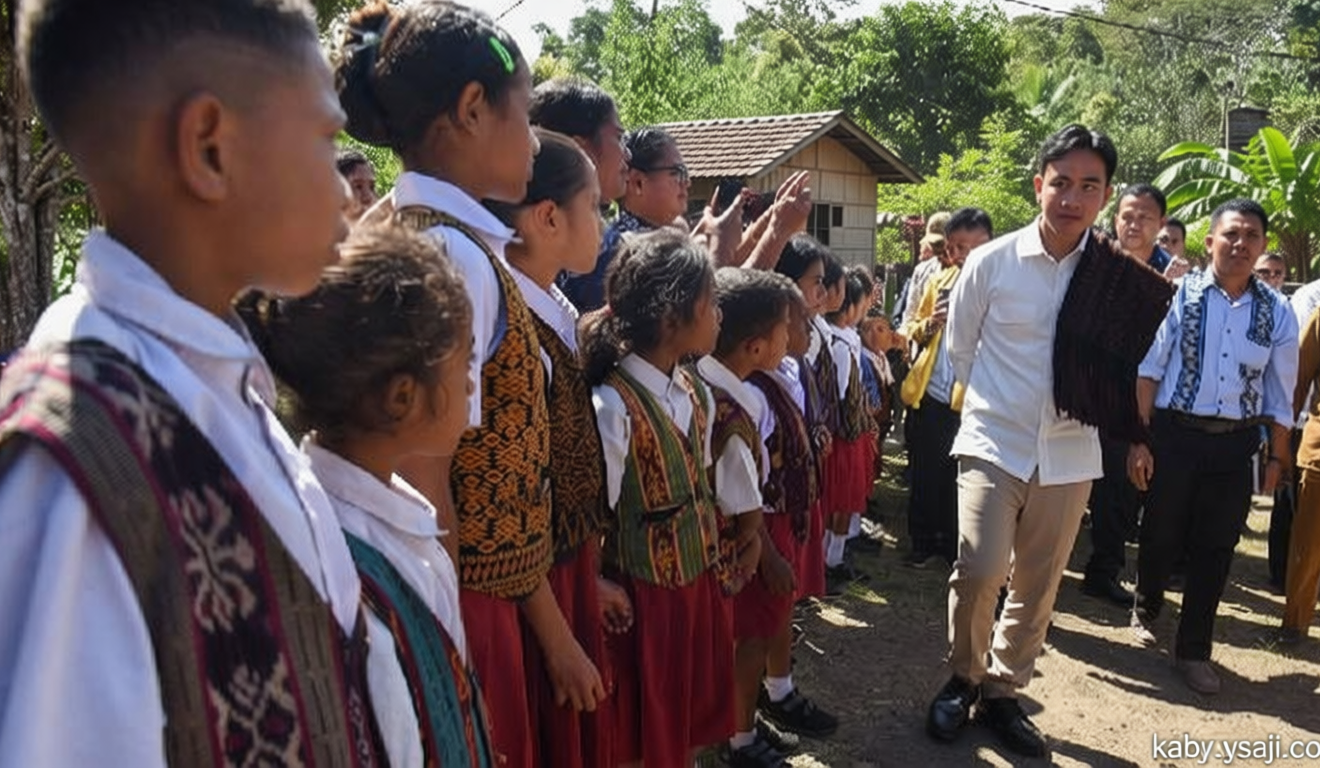
VP Gibran Says Indonesia s Development – During a recent visit to West Papua, Vice President Gibran Rakabuming made a bold statement about the direction of Indonesia’s development, emphasizing that it is moving away from a Java-centric model. This declaration, made at the opening ceremony of the 2026 National Church Choir Festival in Manokwari, highlights a strategic shift aimed at fostering balanced growth across the archipelago. The focus keyword, “VP Gibran Says Indonesia s Development,” encapsulates the core message of this transition, which seeks to address long-standing regional disparities by investing in underdeveloped areas. With the country’s economic and infrastructural progress increasingly seen as a collective effort, Gibran’s remarks underscore a new era of inclusive development.
The Vision Beyond Java
Gibran’s vision for Indonesia’s future development is rooted in the belief that Java, while historically central to the nation’s progress, cannot carry the burden of growth alone. In a speech delivered on June 20, 2026, he stated, “
Looking ahead, this shift aims to reduce inequality, enhance access, and improve the welfare of Papua’s residents.
” The Antara report highlights that this move aligns with broader governmental goals to decentralize economic opportunities and ensure that regions outside Java, such as Papua and Kalimantan, receive equal attention. By prioritizing these areas, the administration hopes to create a more equitable distribution of resources and opportunities, which has been a key concern for decades.
Key initiatives supporting this shift include the Trans Papua road project, which aims to connect remote communities and boost trade, and the expansion of healthcare and education infrastructure in the region. Additionally, coastal village development programs and the MBG meal distribution initiative are being implemented to improve living standards and provide immediate relief to vulnerable populations. These efforts are part of a larger plan to diversify Indonesia’s development model, ensuring that progress is not solely concentrated in the densely populated Java island but is shared across the entire archipelago.
Student Involvement and Regional Oversight
Gibran’s emphasis on regional development has also drawn attention to the role of youth in shaping national policies. During his recent tour of East Nusa Tenggara, Gorontalo, and Papua, he included five university students in his itinerary, underscoring the importance of involving young voices in the oversight of key programs. The students—Daffa Ulhaq (UI), Keletus Sakaro (Sanata Dharma), Nolan Christopher Adam (Pelita Harapan), Salsabila Maulida (Indonesian Institute of the Arts), and Rapid Bena Martin (Jenderal Soedirman)—were tasked with monitoring the MBG initiative and the Red and White Village Cooperative. Their participation reflects a growing recognition of the need for grassroots input in national development strategies.
This initiative came in response to rising student protests against programs like the MBG meal distribution and the Red and White Village Cooperative. A notable demonstration occurred on June 12, 2026, at Jakarta’s HI Roundabout, where students from multiple universities submitted five demands to the Prabowo Subianto administration. Among their key requests was the suspension of the MBG program and the acceleration of the Red and White Village Cooperative. Gibran’s decision to engage students directly addresses these concerns, demonstrating a commitment to transparent and participatory governance. The involvement of young activists in regional development not only strengthens program accountability but also fosters a sense of ownership among local communities.
Gibran also highlighted the importance of stable and peaceful conditions for sustained progress, a theme that resonated strongly during the National Church Choir Festival. The event, which brought together participants from across the country, served as a platform to celebrate cultural unity and reinforce the role of peace in driving economic and social development. By linking the festival to broader national goals, Gibran emphasized the interplay between cultural cohesion and infrastructure investment. This approach ensures that development initiatives are not only logistical but also socially inclusive, addressing the aspirations of diverse populations within Indonesia.
Indonesia’s shift from a Java-centric model is not just a policy change but a reflection of evolving priorities in a rapidly changing nation. With Java’s population and economic activity already saturated, the focus on other regions is essential for long-term stability and growth. Programs like the Trans Papua road and new hospitals in Papua are expected to stimulate local economies and create jobs, while educational institutions in remote areas will help bridge the gap in human capital development. The MBG meal distribution program, designed to alleviate food insecurity, is another example of how the government is tailoring its efforts to meet the specific needs of different regions. By decentralizing development, Indonesia aims to ensure that no part of the country is left behind, creating a more resilient and equitable society.
As the country moves toward this new model, challenges remain. Ensuring that regional programs are adequately funded and implemented requires coordination across multiple stakeholders, including local governments, private sector partners, and community leaders. Gibran’s emphasis on student involvement and public engagement suggests a proactive strategy to address these challenges through collaboration and transparency. By engaging younger generations and prioritizing regional needs, the administration is laying the groundwork for a more sustainable and inclusive approach to national development. This strategy not only aims to reduce inequality but also to empower local populations to take an active role in their own progress.