
US Launches New Wave of Military Strikes Against Iran
US Conducts Targeted Strikes on Iranian Coastal Sites US Launches New Wave of Military - The United States Central Command (CENTCOM) announced the completion
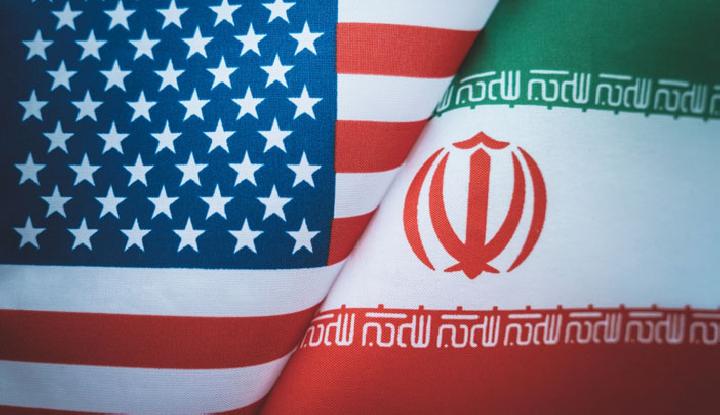
US Conducts Targeted Strikes on Iranian Coastal Sites
US Launches New Wave of Military – The United States Central Command (CENTCOM) announced the completion of its most recent military operation against Iran, focusing on key locations along the country’s southern coastline. The goal was to reduce Tehran’s capacity to interfere with maritime traffic through the Strait of Hormuz, a critical chokepoint for global oil exports. The strikes, which took place on July 13, 2026, spanned five hours and were executed during the early hours of Monday night.
“U.S. Central Command (CENTCOM) concluded the latest series of strikes against Iran at 10:15 p.m. ET on July 13,” the command stated in a post on X, as reported by Anadolu.
Strategic Targets Hit in Iran
CENTCOM confirmed the use of precision-guided munitions to attack Iranian coastal defenses, missile and drone infrastructure, and naval assets. The strike locations included Bushehr, Chabahar, Jaskh, Abu Musa, and Bandar Abbas. Over 50,000 U.S. troops are stationed across the Middle East, maintaining a state of heightened readiness.
Iran Responds with Attacks on US Bases and Oil Vessels
In response, Iran launched strikes against U.S. military installations in the region, notably in Bahrain, and targeted two oil tankers affiliated with the UAE in the Strait of Hormuz. The UAE Defense Ministry reported one fatality and eight injuries among crew members. The Islamic Revolutionary Guard Corps (IRGC) took credit for the attacks, citing the ships’ disregard for Iranian warnings.
“The attacks were carried out after the vessels ignored Iranian alerts,” the IRGC stated in a broadcast by state television channel IRIB.
Iranian military officials also claimed to have launched missile and drone assaults on Manama, Bahrain. The IRGC detailed the assault as targeting “several weapons storage areas, a communication hub, and a residential complex housing U.S. troops.”
Escalating Tensions Over Hormuz Control
The latest confrontations occurred amid rising disputes over control of the Strait of Hormuz, a vital artery for approximately 20% of the world’s oil. President Trump had previously proposed a 20% fee for ships traversing the strait, positioning the U.S. as the “Guardian of the Strait of Hormuz” on Truth Social. He argued that Washington should be compensated for its role in securing the strategic waterway.
“We’re protecting a very rich portion of the world. We’re spending money. And so, what we’ve done is, we are going to be reimbursed for protection,” Trump wrote.
Diplomatic Prospects Remain Uncertain
Despite the military escalation, Trump maintained that negotiations with Iran were still achievable. “Yeah, I think a deal is possible. Sure, I do,” he told reporters at the Oval Office. The leader claimed the parties had nearly reached an agreement two days prior but noted Iran had requested more time for discussions.
Meanwhile, Iranian Foreign Ministry spokesperson Esmaeil Baghaei described the June memorandum of understanding as increasingly unstable. “As the basis for negotiations and the lifting of the U.S. blockade, the peaceful memorandum of understanding is now in a crisis state,” Baghaei stated.
Continuation of Operations Approved by Congress
The White House confirmed that Trump had officially informed Congress about the ongoing U.S. military actions against Iran. This notification grants the Pentagon an additional 60 days to conduct operations in the region without requiring further congressional approval.