US-Iran Talks: Hope and Skepticism in the Swiss Alps
US-Iran Talks: Hope and Skepticism in the Swiss Alps US Iran Talks - Bürgenstock, a Swiss mountain retreat, has long served as a stage for pivotal diplomatic
US-Iran Talks: Hope and Skepticism in the Swiss Alps
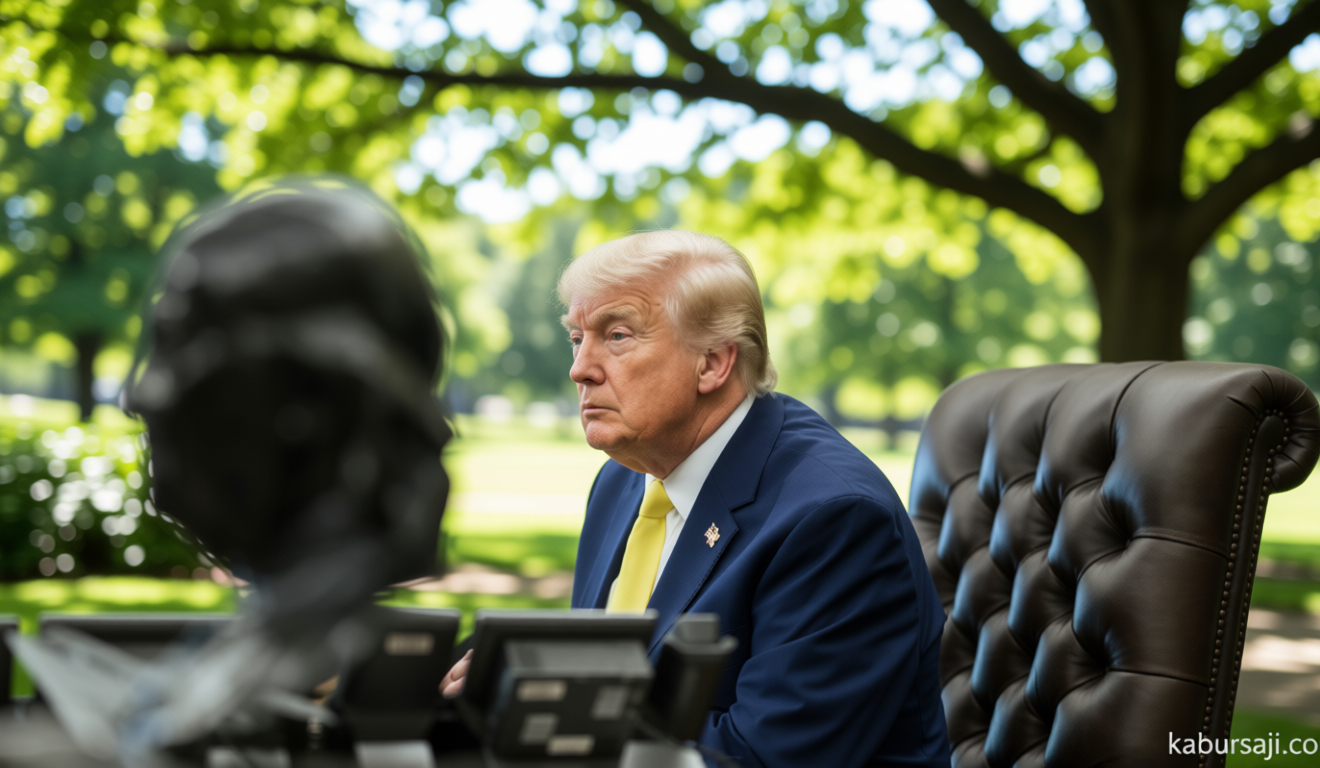
US Iran Talks – Bürgenstock, a Swiss mountain retreat, has long served as a stage for pivotal diplomatic moments. Over decades, this secluded location has hosted rockstars, world leaders, and even witnessed the signing of past peace accords. Now, it’s set to host another historic gathering as US and Iranian delegations convene there this week, marking the culmination of a turbulent diplomatic period.
A Framework for Tensions
The talks, which began with a bold social media statement from US President Donald Trump on Sunday evening, have been described as a “rollercoaster week” of negotiations. Trump declared a “peace agreement” had been reached, though specifics remained elusive. Iranian state-aligned outlets started releasing fragments of a memorandum of understanding (MoU), and reports indicated both sides had electronically endorsed a preliminary pact. The formal signing, Trump claimed, would occur in Bürgenstock on Friday.
By Wednesday, however, Trump had already inked the official text during a grand dinner hosted by French President Emmanuel Macron in Versailles. Meanwhile, Iranian President Masoud Pezeshkian affixed his signature in Tehran. The MoU initiates a 60-day negotiation phase, focusing on Iran’s nuclear program. On Thursday, Swiss officials confirmed that discussions with US, Iranian teams, and mediators Pakistan and Qatar would proceed as planned.
Conflict and Context
The breakthrough follows months of escalating violence in the Middle East, including missile and drone strikes, triggered by the US and Israel’s February assault on Iran. The conflict has claimed thousands of Iranian lives and 13 American soldiers. Iran’s blockade of the Strait of Hormuz and assaults on Gulf oil facilities further disrupted global markets.
Yet the agreement is framed as an interim measure to halt hostilities and restore the Strait’s passage, addressing issues arising from the war rather than the pre-war status quo. Analysts note the MoU lacks binding terms, raising questions about its long-term impact.
Reactions and Reservations
“It is the start of what we hope to be a longer peace agreement between the US and Iran. It will definitely calm a lot of tensions that have been growing in the region and beyond the region,”
Rowena Binti Abdul Razak, a lecturer at the School of Oriental and African Studies in London, called the announcement a “good step.” She emphasized the relief felt by civilians affected by the energy crisis, which had heightened regional instability.
Despite optimism, French President Macron tempered enthusiasm, stating, “Does it solve everything? No. Are there risks? Yes,” during a press briefing. Trump, meanwhile, reiterated his threat to “bomb the hell” out of Iran if a broader deal isn’t achieved, claiming he had “achieved regime change” and averted a “nuclear holocaust.”
Some experts question the deal’s substance. Miad Maleki of the Foundation for the Defense of Democracies noted, “The US administration could have gotten a much better deal than this, but at the same time, there was a desire to open up the Strait of Hormuz.” The interim agreement, he argued, addresses immediate concerns but leaves deeper issues unresolved.
Uncertain Beginnings
As the dust settles, the focus shifts to what this agreement signifies. While it may ease current hostilities, doubts linger about its ability to transform the US-Iran relationship. The Swiss Alps, once a backdrop for past breakthroughs, now host a deal that could shape the future—or merely mark a pause in a prolonged struggle.