
Ukraine Joins 9 European Nations to Build Ballistic Missile Defense Shield
Ukraine and Nine European Nations Forge Joint Ballistic Missile Defense Coalition Ukraine Joins 9 European Nations to Build - In a significant move to enhance
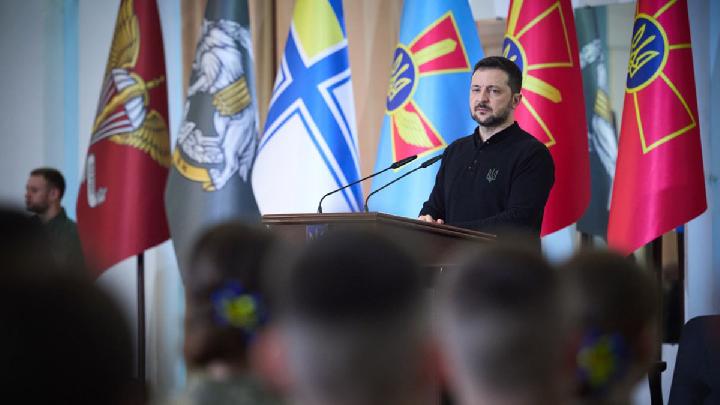
Ukraine and Nine European Nations Forge Joint Ballistic Missile Defense Coalition
Ukraine Joins 9 European Nations to Build – In a significant move to enhance regional security, Ukraine Joins 9 European Nations to establish a unified ballistic missile defense system. This collaborative effort, announced following a series of high-level security talks, underscores the growing unity among European countries in addressing the escalating threat of missile attacks. The coalition, which includes Ukraine alongside Denmark, France, Germany, Italy, the Netherlands, Norway, Spain, Sweden, and the United Kingdom, aims to create a robust network capable of intercepting ballistic missiles and protecting civilian populations from potential strikes. The initiative follows a series of military actions by Russia in Ukraine, which have intensified the need for a coordinated defense strategy across the continent.
Strategic Importance of the Coalition
The formation of this coalition during the recent Paris summit marks a pivotal step in Europe’s defense preparedness. European leaders emphasized that the collective missile defense architecture would not only strengthen Ukraine’s security but also serve as a deterrent against future Russian aggression. The partnership is expected to integrate advanced technologies, such as radar systems, interceptor missiles, and real-time data sharing, to ensure rapid response capabilities. This development is part of a broader effort to consolidate Europe’s military resources and create a more resilient defense framework, particularly in light of the ongoing conflict in Ukraine and the increasing frequency of missile attacks in the region.
“A global solution to missile defense is essential for safeguarding Europe’s sovereignty and ensuring the survival of our nations,” stated a coalition spokesperson. “By uniting our efforts, Ukraine Joins 9 European Nations to build a shield that can neutralize threats at their source.”
The alliance’s creation is also a response to the evolving nature of modern warfare. With Russia’s use of ballistic missiles and drones becoming more sophisticated, European countries recognize the need for a unified front. Ukraine, which has been at the forefront of this challenge, has been instrumental in showcasing the importance of such a coalition. The nation’s anti-ballistic program, which includes the development of local missile defense systems, has been a key component of the discussions. Zelensky’s government has repeatedly stressed that the partnership with nine European nations will not only bolster Ukraine’s defenses but also set a precedent for future multinational security initiatives.
International Support and Military Readiness
French President Emmanuel Macron has been a vocal advocate for the coalition, emphasizing the importance of Ukraine Joins 9 European Nations in demonstrating Europe’s commitment to collective security. Macron announced that a multinational force will conduct military exercises in neighboring countries to assess the feasibility of deploying the defense system. These exercises, which are set to begin shortly, will simulate real-world scenarios and evaluate the coordination between allied forces. The force will remain on standby until a ceasefire between Ukraine and Russia is achieved, ensuring readiness for any potential escalation.
“The message we send to the world is this: Yes, peace is our goal. Yes, we cherish freedom and the rule of law. And yes, we stand ready to fight to defend them. Always, and at the cost of blood if necessary,” Macron stated during the summit. This declaration highlights the coalition’s resolve to provide sustained support to Ukraine while also reinforcing Europe’s strategic capabilities.
Meanwhile, diplomatic tensions between Russia and the coalition have reached new heights. Russia recently summoned Germany’s ambassador to Moscow, expressing concerns over the growing military aid provided to Ukraine and accusing the country of enabling attacks on Russian territory. Germany dismissed these claims, reaffirming its commitment to supporting Ukraine’s defense. The coalition’s formation has also influenced ongoing discussions within the European Union about new sanctions against Russia, with member states seeking to align their efforts with the broader alliance.
As the coalition moves forward, the focus remains on developing a system that is both adaptable and scalable. Analysts suggest that this initiative could serve as a model for other regions facing similar threats, showcasing the power of Ukraine Joins 9 European Nations in fostering international cooperation. The inclusion of nine European countries also highlights the shared responsibility of defending against ballistic missile attacks, which have become a critical aspect of modern military strategy. With the threat landscape continuing to shift, the coalition’s success will depend on sustained investment, technological integration, and political unity among its members.
Long-Term Implications and Regional Stability
The establishment of this coalition is expected to have long-term implications for Europe’s security architecture. By pooling resources and expertise, the participating nations aim to create a more integrated and effective defense system. This approach not only addresses the immediate threat posed by Russian ballistic missiles but also prepares Europe for future challenges, such as hypersonic weapons and cyber-enabled missile systems. The collaboration between Ukraine and nine European nations could also strengthen NATO’s collective defense posture, ensuring that the alliance is better equipped to respond to emerging security threats.
Additionally, the coalition’s formation highlights the importance of international partnerships in modern warfare. Ukraine’s role as a key player in this initiative demonstrates the country’s resilience and strategic importance, even as it faces ongoing conflict. The nine European nations involved are likely to benefit from this alliance by gaining access to advanced defense technologies and operational insights from Ukraine’s experience on the frontlines. This mutual exchange of knowledge is expected to enhance the effectiveness of the entire defense network, making it more agile and responsive to evolving threats.
As the coalition solidifies its efforts, the focus will shift towards implementation. The next phase involves securing funding, finalizing technical specifications, and coordinating logistics for the deployment of the defense system. European leaders have expressed confidence in the coalition’s ability to deliver results, with some suggesting that the initiative could be completed within the next two years. The success of Ukraine Joins 9 European Nations will not only determine the fate of Ukraine’s defense but also shape the future of European military cooperation in the face of global challenges.