
Turkey Marks 10 Years Since Failed Coup Against Erdogan
Turkey Observes 10-Year Anniversary of 2016 Coup Attempt July 15, 2026 – Jakarta Turkey Marks 10 Years Since Failed - On July 15, 2026, Turkey marked the 10th
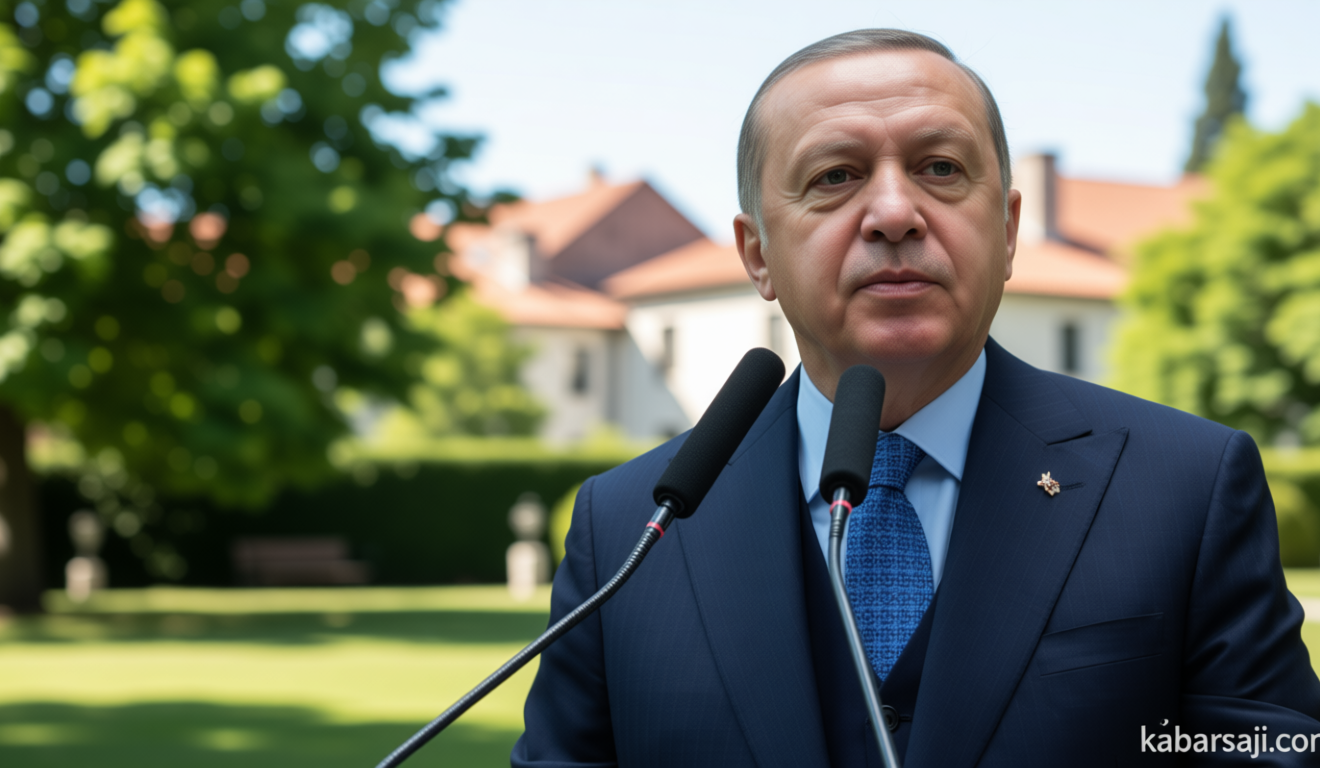
Turkey Observes 10-Year Anniversary of 2016 Coup Attempt
July 15, 2026 – Jakarta
Turkey Marks 10 Years Since Failed – On July 15, 2026, Turkey marked the 10th year since a failed military coup sought to oust President Recep Tayyip Erdogan, lasting several hours and challenging his authority. The event, which began with a coordinated attack on key government institutions, sparked widespread panic and disrupted the nation’s stability for a brief period.
Despite the initial disruption, the coup attempt ultimately reinforced Erdogan’s leadership. He leveraged the crisis to introduce sweeping reforms, consolidating his control over the country’s political and administrative structures. The attack on the government’s core initially caused chaos but became a catalyst for strengthening his position.
The night of July 15, 2016, saw Turkey plunged into turmoil as troops invaded residential neighborhoods in Istanbul and Ankara, while fighter jets swept low over cities and the parliament was targeted in an attack. The iconic Bosphorus Bridge was also closed by military forces, cutting off key transport routes.
Asia News reported that the Turkish military aimed to dismantle Erdogan’s centralized leadership, which they referred to as a “one-man” regime. The coup’s aftermath saw 270 fatalities and over 2,000 injuries. Amid the turmoil, Erdogan delivered a live speech urging citizens to rise up and protect the nation.
Blockquote:
“The chaos of the coup attempt was marked by at least 270 deaths and more than 2,000 people injured.”
By the morning of July 16, 2016, the coup had collapsed. Al Jazeera noted that Erdogan and his government initiated a large-scale purge, targeting intellectuals, political leaders, military officers, and civil servants deemed sympathetic to Fethullah Glen. Glen, once a supporter of Erdogan, had turned into his primary adversary, based in America. Turkey accused Glen of orchestrating the coup through a terrorist network.
SCF highlighted that emergency legal mechanisms were expanded over time, though the initial phase focused on coup conspirators and Glen’s allies. Human rights groups criticized these measures, which led to the arrest of tens of thousands and the dismissal of hundreds of thousands of public servants.
Blockquote:
“The Turkish government claims that these actions were necessary to dismantle national secret networks and prevent Turkey from facing similar threats in the future.”
Supporters of the administration hailed the aftermath as a triumph for civilian resistance against an unlawful military junta. Critics, however, argued that the coup marked a pivotal shift in Turkey’s political landscape, moving it from a democratic and secular system toward a more centralized, nationalist-Islamic executive model.
July 15 was designated a national holiday, with the Bosphorus Bridge renamed the Martyrs’ Bridge to honor those who perished during the attack. Rania Felita Salsabila wrote this article. For more updates, click here to subscribe to Tempo’s Google News.