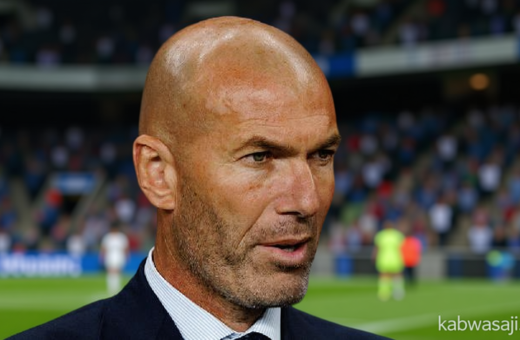
Turkey Exit World Cup After Paraguay Loss
Turkey's World Cup Journey Ends in Defeat Turkey Exit World Cup After Paraguay - On Saturday, June 20, 2026, the Turkish national team, commonly referred to
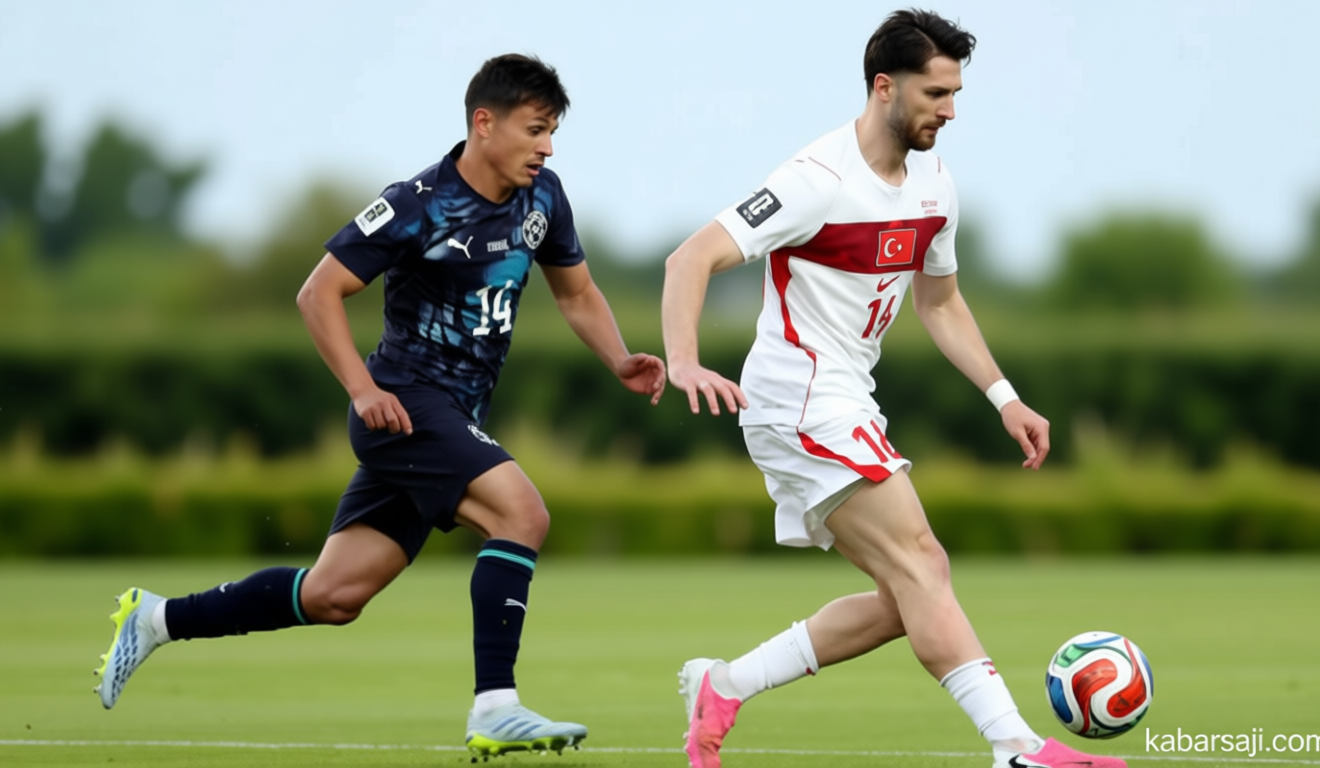
Turkey’s World Cup Journey Ends in Defeat
Turkey Exit World Cup After Paraguay – On Saturday, June 20, 2026, the Turkish national team, commonly referred to as the Crescent-Stars, suffered a decisive loss in the 2026 World Cup, marking their exit from the tournament. This 0-1 defeat to Paraguay sealed their fate in Group D, ending their hopes of advancing past the group stage. The loss, which came after a series of struggles, highlighted Turkey’s inability to maintain consistency in high-pressure matches, a recurring issue that plagued their campaign throughout the competition.
A Struggle Against Strong Defense
Turkey’s campaign in the group stage had been characterized by their control of possession, often dominating the ball in matches. Despite this, their attacking efficiency remained inconsistent, as they failed to convert numerous chances into goals. The team’s goalkeeper, Orlando Gill, and Paraguay’s defensive line played a pivotal role in stifling Turkey’s offensive efforts, particularly in this match where the hosts displayed remarkable composure and tactical discipline.
Bad luck seems to be shadowing the Crescent-Stars, the nickname for the Turkish team.
The early goal by Matias Galarza in the second minute set the tone for Paraguay’s victory, demonstrating their ability to capitalize on opportunities. Even after losing Miguel Almiron to a red card at halftime, the Paraguayans managed to keep their focus, ensuring Turkey’s efforts were in vain. This match underscored the challenges Turkey faced in translating possession into tangible results.
Group D Standings and Elimination
With zero points from two matches in Group D, Turkey found themselves at the bottom of the table, unable to secure a spot in the knockout rounds. The United States, who had previously defeated them, dominated the group with six points, while Australia and Paraguay each earned three, securing second and third places. The loss to Paraguay finalized Turkey’s elimination, leaving the team to reflect on their disappointing campaign.
The Turkish squad, led by stars like Arda Guler, Hakan Çalhanoglu, and Kenan Yildiz, had entered the tournament with high expectations. Their 2002 World Cup run, which featured legends such as Hakan Sukur, Emre Belozoglu, and Rustu Recber, set a benchmark for success. However, under the guidance of coach Vincenzo Montella, Turkey struggled to replicate that form, with their performance raising questions about their readiness for the global stage.
Key Moments in the Match
The match against Paraguay saw Turkey’s early dominance, but the hosts’ defensive setup proved resilient. Referee Ivn Arcides Barton Cisneros from El Salvador issued a red card to Miguel Almiron in the first half, temporarily reducing Turkey’s numbers. Despite this setback, Paraguay’s coach Gustavo Alfaro maintained a solid defensive structure, neutralizing Turkey’s pressure and allowing them to secure the win. The result was a clear indicator of Turkey’s difficulties in the 2026 World Cup.
Turkey’s inability to capitalize on their opportunities was a major factor in their exit. The team’s reliance on attacking play was met with solid defending, culminating in a 0-1 scoreline that left the squad in tears after the final whistle. This loss, coupled with their earlier defeat to Australia, marked the end of their World Cup dreams in a disappointing fashion. Fans and analysts alike will look back on this campaign with a sense of regret, as Turkey failed to meet expectations in a critical phase of the tournament.
Broader Implications for Turkish Football
The exit of Turkey from the 2026 World Cup has sparked discussions about the state of Turkish football and its future prospects. While the team had shown promise in the group stage, their inability to adapt to the intensity of the competition revealed vulnerabilities. The focus keyword phrase “Turkey Exit World Cup After” encapsulates the culmination of their efforts, which ultimately fell short of the goal. This outcome may influence the selection of future squads and the