
Strait of Hormuz Flare-Up Sends Trump and Tehran Back to the Brink
Kabarsaji.com – The fragile pause in hostilities between Washington and Tehran shattered on Sunday, August 30, when American forces opened fire on two Iranian rocket launchers positioned on Larak Island, a small landmass sitting squarely inside the Strait of Hormuz. It marked the first direct exchange of weapons between the two nations in over a month, and within hours the confrontation had rippled across three countries and reignited fears of a broader regional war.
U.S. officials stated that the launchers were in the process of being readied to fire rockets loaded with naval mines into the narrow waterway — a move that would have threatened the flow of oil, gas, and other commodities through one of the world’s most critical maritime chokepoints. Iran answered almost immediately, firing ballistic missiles toward American military installations in Jordan and aiming at U.S.-allied assets inside the United Arab Emirates. Jordanian air defenses intercepted the inbound missiles, and the UAE announced it shot down an Iranian drone over its own territorial waters.
Trump Threatens Escalation From the Oval Office
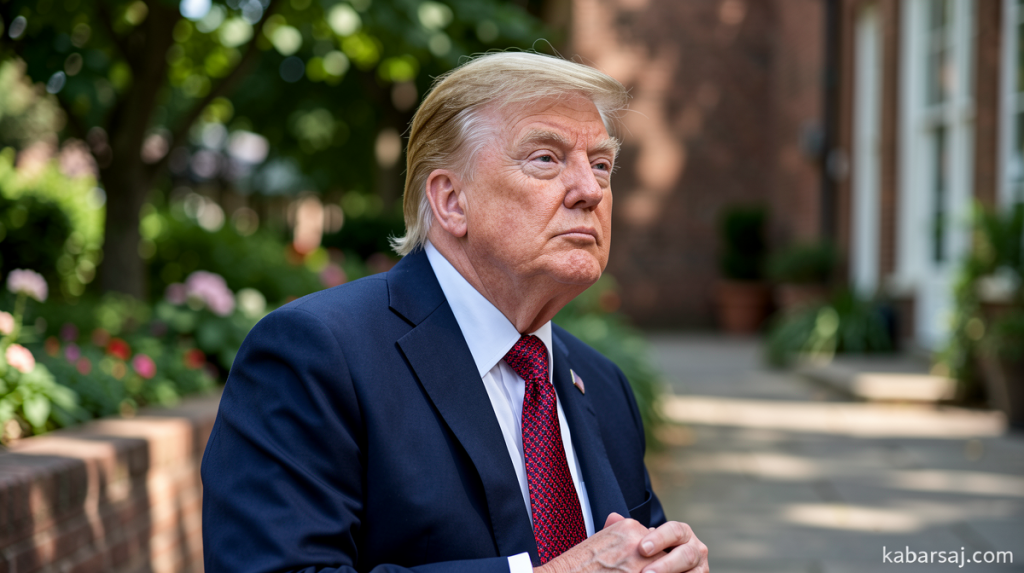
By Monday morning, President Donald Trump had moved from the situation room to the podium. Addressing reporters in the Oval Office, he made clear that Washington intended to punish Tehran for the retaliatory strikes.
“We’re going to hit them hard,” Trump said. “There will be a response.”
In the same briefing, the president painted a picture of the strait as fully operational under American naval escort. He described the waterway as being in “extremely good shape” and claimed that roughly 30 vessels were transiting each night with U.S. maritime support.
“We’re taking over. Many, many ships got through last night,” Trump said. “We’ve been averaging 30 ships a night.”
The Strait of Hormuz carries approximately one-fifth of all seaborne energy traded globally. Before the current conflict disrupted normal traffic, the corridor funneled roughly 20 million barrels of oil per day plus significant volumes of liquefied natural gas. Any sustained closure or mine-laying campaign would send shockwaves through energy markets, shipping insurance rates, and inflation figures worldwide.
Tehran Vows a “Much Heavier” Answer
Iran’s Islamic Revolutionary Guard Corps (IRGC) confirmed that its missiles were aimed at the King Hussein and Al-Azraq air bases in Jordan, where U.S. forces maintain a significant presence. In a joint statement issued by the Iranian armed forces, Tehran said it respected the sovereignty of neighboring states but declared it “will never tolerate aggression.” The message was explicit: any further American strike would provoke a “much heavier” response, and the United States had “no choice but to leave the region.”
Iranian authorities also issued a broader warning to every country in the neighborhood. Any nation permitting its territory, airspace, or military facilities to be used as a platform for attacks on Iran could itself become a target — a pointed reminder to Jordan, the UAE, and others hosting American assets.
Tehran simultaneously pushed back on Washington’s narrative that the strait had been cleared for routine commerce. The IRGC cautioned that vessels navigating routes it deemed unauthorized might face consequences, effectively keeping a shadow toll on shipping through the corridor.
“Failed Nation”: Trump’s Social Media Barrage
The renewed fighting arrived after the Trump administration had already pivoted its pressure campaign from kinetic operations toward economic sanctions and financial strangulation. On Monday, the president amplified that pressure with a social media post in which he labeled Iran a “failed nation” and asserted that its military and economy had been gutted.
“Iran is officially a Failed Nation,” Trump wrote, adding that the country had “no Navy, no Air Force, no currency” and that its leadership was “in total disarray.”
He further claimed that more than 100,000 protesters had been killed during domestic unrest inside Iran. That figure has not been independently verified; Iranian officials have cited a substantially lower death toll and attributed the demonstrations to foreign-backed agitators.
A Door Left Open: Pezeshkian Signals Willingness to Talk
Even as missiles flew, Iranian President Masoud Pezeshkian worked to keep a diplomatic channel alive. Speaking by phone with Pakistani Prime Minister Shehbaz Sharif on the margins of a Shanghai Cooperation Organization summit in Kyrgyzstan, Pezeshkian stated that prolonging the war served neither Iran’s interests nor those of the region. He said Tehran remained prepared to implement a memorandum of understanding with Washington — a framework Pakistan had previously helped broker.
The strait itself remains the principal sticking point. Iran and Oman have reached a verbal understanding on a temporary shipping corridor, but the arrangement has not yet restored the pre-conflict volume of commercial traffic. Until a durable mechanism is in place, both navies will continue to patrol the narrow passage, and the risk of another accidental or deliberate clash persists.
Regional Mediators Step Into the Gap
Former U.S. ambassador to Tunisia Joey Hood has argued that neighboring states possess both the leverage and the incentive to engineer a de-escalation path. He proposed an Islamic naval coalition, led by Pakistan and Turkiye, that would monitor the strait and provide Iran with verifiable assurance that commercial traffic passing through was peaceful and non-threatening.
“It’s going to require countries of the region getting together and finding those creative solutions that would allow both sides to save face and back away from this conflict,” Hood said.
Such a body, he noted, would offer Tehran a way to step back from the confrontation “without saying that it gave up its rights to the strait” — a diplomatic off-ramp that preserves national dignity while reducing the chance of another kinetic incident.
For now, the balance of threats has tilted back toward escalation. Trump’s pledge to strike “hard” sits opposite Iran’s promise of a “much heavier” response, and the narrow waters of the Strait of Hormuz remain the stage on which both powers are testing how far the other will push before blinking. Markets, shipping lines, and the governments of Gulf states are watching closely, knowing that the next miscalculation could transform a localized exchange into a full-scale regional war.
Related Reading
Frequently Asked Questions
What is Trump Vows to Hit Iran Hard?
Trump Vows to Hit Iran Hard is the main topic of this guide. The article explains the context, practical details, and next steps readers should understand.
Why does Trump Vows to Hit Iran Hard matter?
Trump Vows to Hit Iran Hard matters because readers are looking for a useful answer, not just a short summary. Good content should match search intent and help them decide what to do next.