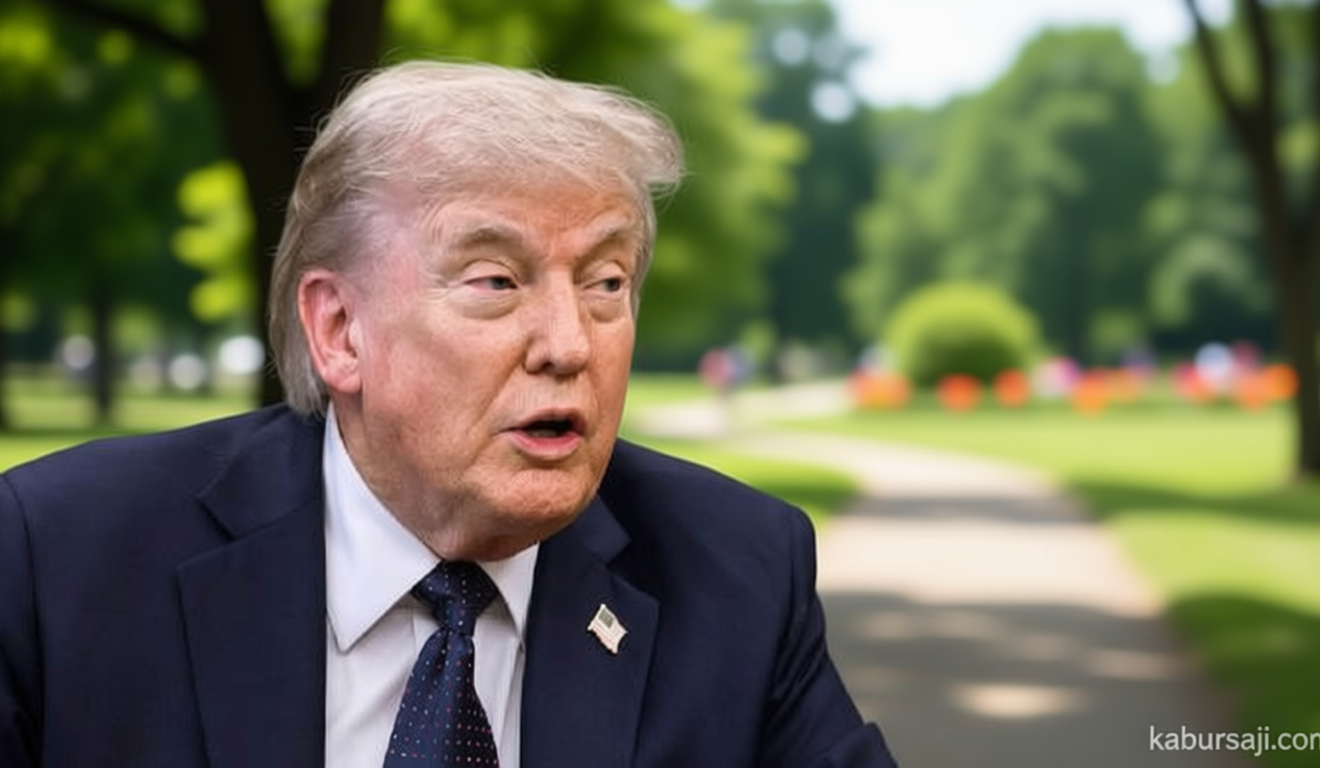
Trump Says No Tolls on Strait of Hormuz as Iran Threatens Closure
Trump Says No Tolls on Strait of Hormuz as Iran Threatens Closure The Growing Tensions Over the Strategic Waterway Trump Says No Tolls on Strait - On
Trump Says No Tolls on Strait of Hormuz as Iran Threatens Closure
The Growing Tensions Over the Strategic Waterway
Trump Says No Tolls on Strait – On Saturday, June 20, 2026, U.S. President Donald Trump made a decisive statement regarding the Strait of Hormuz, asserting that tolls would not be imposed on the vital maritime passage during the 60-day ceasefire period and beyond. This declaration came in response to Iran’s recent announcement of a potential closure of the strait, a move that has heightened concerns about global trade and energy security. The situation underscores the delicate balance between geopolitical maneuvering and the economic lifelines of nations reliant on oil shipments through the region.
The Strait of Hormuz, a narrow waterway located between the Arabian Peninsula and the Iranian islands, is a critical artery for international trade. It accounts for nearly 20% of the world’s oil supply, making it a focal point for both military and economic strategies. Trump’s assurance aims to alleviate fears among shipping companies and oil-dependent economies, which have long worried about disruptions caused by Iran’s threats to restrict passage. However, the decision also highlights the ongoing tensions between the United States and Iran, particularly in the context of the broader ceasefire agreement negotiated earlier this year.
Iran’s Motivation and the Ceasefire Context
Iran’s decision to threaten the closure of the Strait of Hormuz is rooted in its dissatisfaction with U.S. commitments under the ceasefire agreement. The country’s military leadership accused the United States of breaching the terms of the peace memorandum of understanding (MoU) by not fully enforcing the ceasefire across all fronts, including in Lebanon. These accusations, paired with Israel’s continued airstrikes in the region, have fueled Iran’s resolve to assert control over the strait as a form of leverage.
“There will be NO TOLLS in the Hormuz Strait for 60 days during the Cease Fire Period, and there will be NO TOLLS after the 60-day period has expired,” Trump declared on Truth Social, emphasizing the U.S. commitment to freedom of navigation. However, the president also hinted at the possibility of introducing tolls in the future, stating that such measures could be used to “acknowledge support for the mission” and fund operations during the conflict. This conditional stance has sparked debate about the long-term implications of U.S. policy on the region’s stability.
Strategic Importance and Global Implications
The Strait of Hormuz holds immense strategic value, not only for the Middle East but for the entire global economy. With over 20 million barrels of oil passing through daily, its closure could lead to significant price surges and supply chain disruptions. Iran’s threat to block the passage has already prompted discussions among oil-producing nations and international trade bodies about contingency plans to ensure uninterrupted flow.
While Trump’s statement provides temporary relief, analysts caution that the situation remains fragile. The U.S. has historically used tolls as a tool to assert influence over maritime routes, and Iran’s actions may pressure Washington to reconsider its approach. The timing of the threat—just weeks into the ceasefire—adds to the uncertainty, as both sides remain wary of each other’s intentions. Iran’s military has also issued warnings that the closure could be enforced if the U.S. fails to meet its obligations under the MoU.
Historical Precedents and Diplomatic Stakes
Iran’s threat to close the Strait of Hormuz is not new. The country has previously used the strait as a bargaining chip during conflicts, most notably in 2019 when it disrupted oil tankers in retaliation for U.S. sanctions. This pattern of behavior raises questions about the effectiveness of the current ceasefire and the potential for renewed hostilities. Trump’s decision to exempt the strait from tolls during the 60-day period is seen by some as a gesture to stabilize the region, while others view it as a temporary reprieve.
The MoU, signed in early 2026, was intended to reduce hostilities between Iran and its regional adversaries, including Israel and Saudi Arabia. However, its implementation has been uneven, with Iran accusing the U.S. of not fully supporting the agreement. The threat to close the strait is a direct challenge to this diplomatic framework, signaling that Iran may resort to more aggressive measures if it perceives continued U.S. backing for its rivals. This dynamic has intensified the stakes for all parties involved, with the potential for economic and military consequences.
International Reactions and Future Outlook
News of Iran’s potential closure of the Strait of Hormuz has drawn swift reactions from global stakeholders. The European Union, a major importer of Middle Eastern oil, has expressed concern over the disruption to energy markets, while the United Nations has called for dialogue to prevent a crisis. Meanwhile, U.S. allies in the region, including the United Arab Emirates and Oman, have urged caution, emphasizing the need to maintain stability through diplomatic channels.
As the 60-day ceasefire period approaches its end, the situation remains a focal point for international observers. Trump’s commitment to no tolls during this time has been welcomed by some, but others are skeptical about the long-term sustainability of the policy. The question now is whether the U.S. will maintain its stance or adjust its strategy in response to Iran’s actions. Either way, the Strait of Hormuz continues to be a symbol of the complex interplay between politics, economics, and military power in the Middle East.