Tehran Condemns US Revocation of Iran Oil Export Permits
Tehran Condemns U.S. Revocation of Iran Oil Export Permits Tehran Condemns US Revocation of Iran - The Islamic Republic of Iran has expressed strong
Tehran Condemns U.S. Revocation of Iran Oil Export Permits
Tehran Condemns US Revocation of Iran – The Islamic Republic of Iran has expressed strong disapproval of the United States’ decision to revoke its general oil export license, a move that Tehran views as a direct affront to its economic sovereignty and a violation of bilateral agreements. This action, taken by the U.S. Treasury Department’s Office of Foreign Assets Control (OFAC), has reignited tensions between the two nations, with Iran accusing Washington of undermining its efforts to stabilize the energy sector. The revocation, announced on June 18, marks a significant escalation in the ongoing standoff, as it imposes strict new restrictions on Iran’s ability to conduct oil transactions, forcing existing deals to be completed by July 17. The focus keyword, *Tehran Condemns US Revocation of Iran*, has become central to discussions about the implications of this decision, both for Iran’s economy and its diplomatic standing.
Iran’s Diplomatic Response to the Revocation
“The Ministry of Foreign Affairs of the Islamic Republic of Iran has issued a formal statement condemning the U.S. Treasury’s unilateral revocation of Iran’s oil export permits. This move, they argue, breaches the terms of the Memorandum of Understanding to End the War and demonstrates Washington’s continued hostility toward Tehran’s energy interests. The ministry warned that the U.S. government must be held accountable for this decision, which it claims is a calculated attempt to destabilize Iran’s oil industry and weaken its international position.”
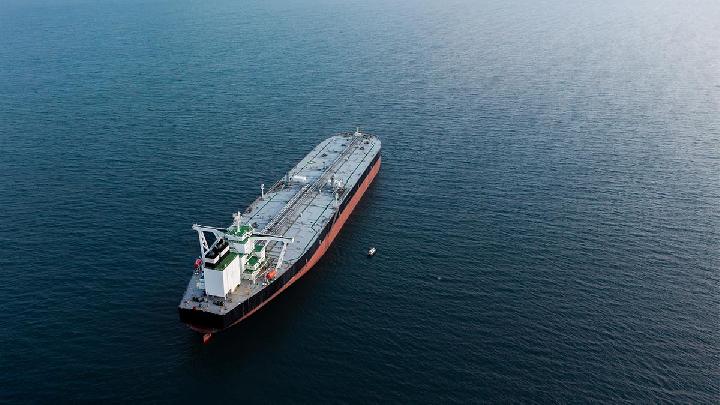
Iran’s statement emphasizes the broader geopolitical context of the revocation, linking it to the U.S.’s broader strategy of economic pressure on the Islamic Republic. By suspending the permits, the United States has effectively cut off a critical lifeline for Iran, which relies heavily on oil exports to fund its domestic economy and maintain diplomatic leverage. The move is seen as part of a larger campaign to isolate Iran further, especially after the recent attacks on oil tankers in the Strait of Hormuz, which the U.S. has attributed to Tehran’s actions. The focus keyword, *Tehran Condemns US Revocation of Iran*, underscores the nation’s determination to resist what it perceives as an unjust and destabilizing policy.
Historical Context and Implications of the Permit Revocation
The oil export permit revocation is not an isolated incident but a continuation of the U.S.’s long-standing sanctions regime against Iran. Since 2018, when the Trump administration withdrew from the Joint Comprehensive Plan of Action (JCPOA), Iran has faced repeated measures to restrict its access to international markets. The current decision to suspend the permits comes amid renewed negotiations between the U.S. and Iran, with the latter seeking to restore its nuclear deal and ease economic sanctions. However, Tehran’s condemnation of the U.S. revocation highlights its frustration with Washington’s backtracking, which it claims undermines progress toward a lasting resolution.
This revocation has immediate economic consequences for Iran, which exports approximately 2.5 million barrels of oil daily. With the permit suspended, Iran must now rely on alternative trade routes and financial mechanisms to continue its oil sales, potentially leading to increased reliance on regional partners such as China, Russia, and India. The U.S. action has also raised concerns about the global energy market, as Iran’s reduced exports could create supply imbalances and drive up oil prices. The focus keyword, *Tehran Condemns US Revocation of Iran*, is often used in media reports to frame the conflict, reflecting the central role this issue plays in the ongoing U.S.-Iran rivalry.
Global Reactions to the U.S. Decision
Reactions to the U.S. revocation of Iran’s oil export permits have been mixed, with some nations expressing solidarity with Tehran and others voicing concerns about the impact on global energy security. European allies, including France, Germany, and the United Kingdom, have criticized the move, arguing that it undermines the stability of international trade and the agreements reached through diplomatic channels. Meanwhile, oil-dependent countries have called for a temporary suspension of the restrictions, fearing the repercussions of a sudden drop in Iranian oil supplies.
China and Russia, key partners in Iran’s energy sector, have reiterated their support for Tehran, offering to facilitate oil trade through their own financial systems and bypassing U.S. sanctions. This shift has prompted Iran to accelerate its efforts to diversify its export markets, with a focus on strengthening ties with Asian and African nations. The focus keyword, *Tehran Condemns US Revocation of Iran*, is frequently cited in these discussions, underscoring the geopolitical significance of the issue and its potential to reshape global energy dynamics.
Strategic Motivations Behind the U.S. Action
The U.S. decision to revoke Iran’s oil export permits appears to be part of a broader strategy to pressure Tehran into renegotiating the terms of its nuclear deal and accepting stricter sanctions. By limiting Iran’s access to international oil markets, Washington aims to reduce the country’s ability to fund its military operations and regional ambitions. The move also aligns with the administration’s efforts to curb Iranian influence in the Middle East, particularly in Iraq and Syria, where Iran has maintained a strong presence.
Additionally, the revocation serves as a symbolic gesture to signal the U.S.’s resolve in confronting Iran’s nuclear program. While the Memorandum of Understanding to End the War provides a framework for dialogue, the revocation of the permits has been interpreted as a tactic to force Iran into a more vulnerable position. This has led to speculation that the U.S. may use the revocation as leverage to secure additional concessions from Tehran, potentially including renewed restrictions on its nuclear activities. The focus keyword, *Tehran Condemns US Revocation of Iran*, is now a key phrase in analyses of the U.S. strategy and its potential long-term effects on Iran’s economy.
Future Outlook and Diplomatic Prospects
Despite the revocation of Iran’s oil export permits, the situation remains fluid, with both nations engaging in diplomatic talks to find a resolution. The focus keyword, *Tehran Condemns US Revocation of Iran*, is likely to dominate the discourse as the talks progress, with Iran insisting on the reinstatement of the permits and the U.S. seeking to secure more favorable terms. The outcome of these negotiations will determine whether the revocation leads to a temporary crisis or a permanent shift in the economic and political relationship between the two countries.
Looking ahead, the U.S. and Iran will need to balance their strategic interests, with the former aiming to contain Iran’s influence and the latter striving to maintain its economic stability. The revocation of the oil permits has already had a measurable impact on Iran’s ability to generate revenue, but the nation has shown resilience in its response, leveraging its regional alliances and exploring alternative markets. As the situation evolves, the focus keyword, *Tehran Condemns US Revocation of Iran*, will remain a central theme in media coverage and political statements, highlighting the ongoing struggle between the two nations in the global arena.