
Stonehenge Revelers Ring in Summer Solstice
Stonehenge Revelers Ring in Summer Solstice: tonehenge Revelers Ring in Summer Solstice - Every year, as the summer solstice approaches, Stonehenge becomes a
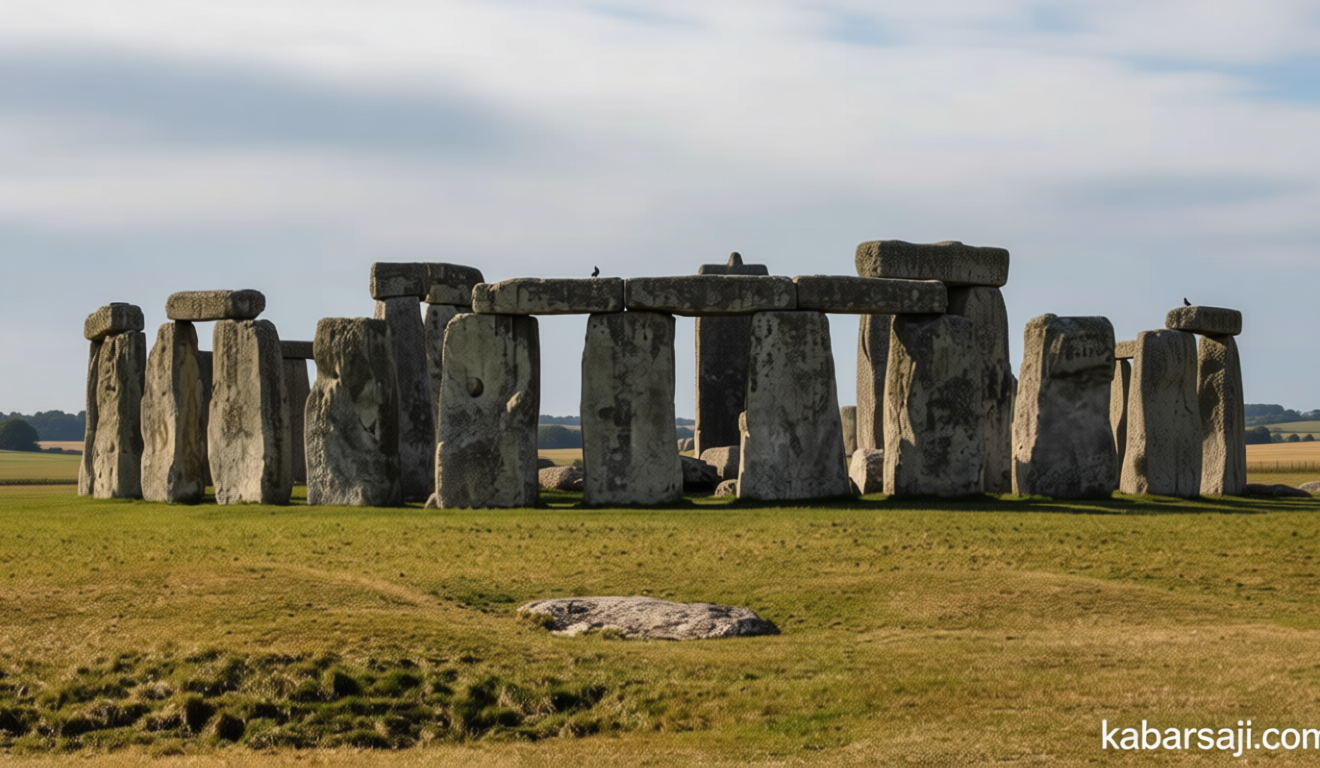
Stonehenge Revelers Ring in Summer Solstice
Stonehenge Revelers Ring in Summer Solstice – Every year, as the summer solstice approaches, Stonehenge becomes a focal point for thousands of people who gather to celebrate the longest day of the year. In 2026, over 20,000 revelers flocked to the ancient stone circle, marking the solstice with a blend of tradition, spirituality, and modern festivities. The event, which began at sunset and continued into the early hours of Sunday, was extended to 8:30 a.m. to accommodate the surge in attendance, with a global audience joining the celebrations through livestreams. This annual gathering not only highlights the enduring mystique of Stonehenge but also underscores its role as a cultural and historical landmark that continues to draw visitors from around the world.
Ancient Origins and Celestial Significance
Stonehenge, an iconic prehistoric monument located on Salisbury Plain in Wiltshire, England, has long been associated with astronomical events. Its circular arrangement of massive stones is believed to have been designed to align with the sun’s path during the solstices and equinoxes, a theory supported by archaeological research. The summer solstice, occurring on June 21 or 22, is particularly significant, as the sun rises directly over the Heel Stone, casting light through the central avenue to the Altar Stone. This celestial alignment has sparked centuries of speculation about the monument’s purpose, from religious rituals to ceremonial gatherings. The 2026 event reaffirmed its importance as a site where history and modern-day celebrations converge.
Historical Context and Modern-Day Challenges
The summer solstice at Stonehenge is not just a celebration of nature but also a reflection of the site’s complex history. Since its construction around 3000 BCE, the monument has witnessed countless rituals, from Neolithic ceremonies to Roman invasions and medieval pilgrimages. However, the 20th century brought new challenges, including environmental concerns and growing crowds. In 1978, public access was restricted to manage foot traffic and protect the fragile landscape. This decision sparked debates but also paved the way for organized events that balance preservation with public engagement. The 2026 solstice marked a continuation of this effort, with carefully planned measures to ensure the experience remains accessible and sustainable.
Logistics and Participation in 2026
For 2026, English Heritage implemented a comprehensive strategy to manage the influx of participants. Pre-booking parking became mandatory, with fees increasing to £25 to encourage off-peak travel and reduce congestion. Special buses were introduced from Salisbury to transport attendees, while roadside parking was discouraged to prevent damage to the surrounding area. The extended access time allowed for a more immersive experience, with participants able to witness the solstice sunrise at 4:46 a.m. and enjoy the festivities throughout the day. Despite these efforts, the sheer scale of the event ensured a lively atmosphere, with music, dance, and firelight illuminating the ancient stones as the sun rose.
Cultural Impact and Global Interest
The summer solstice at Stonehenge has transcended its local roots to become a global phenomenon. In 2026, the event drew international attention, with thousands of viewers tuning in to livestream the celebration from their homes. This digital reach amplified the site’s cultural significance, allowing people from diverse backgrounds to participate in the tradition. The event also served as a platform for discussing environmental issues, as organizers emphasized the need to preserve the monument for future generations. While the focus remains on the solstice itself, the gathering has become a symbol of unity, blending ancient heritage with contemporary culture in a way that resonates across borders.
“The summer solstice at Stonehenge is more than a historical event—it’s a shared moment of wonder and connection,” noted a spokesperson for the Wiltshire Council, which collaborates with English Heritage to manage the site. “We’re proud to offer this experience to both locals and visitors while safeguarding the site for centuries to come.” The event’s popularity has grown steadily, reflecting a deep cultural appreciation for the interplay between nature and human history.
Traditions and Community Spirit
As the sun rose over Stonehenge, the celebration reached its peak. Revelers from all walks of life joined in, creating a vibrant tapestry of music, dance, and storytelling. Traditional elements such as maypole dances, ceremonial torchlight processions, and communal singing were woven into the modern festivities. The atmosphere was electric, with people from around the world coming together to honor the solstice. While the event is steeped in history, its contemporary appeal lies in its ability to foster a sense of belonging and collective joy. The 2026 solstice, like previous years, was a testament to the enduring power of these ancient traditions in today’s fast-paced world.