Spain’s ‘Running of the Bulls’ Festival Opens in Pamplona
al Opens in Pamplona Spain s Running of the Bulls - The annual 'Running of the Bulls' festival in Spain, a beloved tradition rooted in centuries of history
Spain’s ‘Running of the Bulls’ Festival Opens in Pamplona
Spain s Running of the Bulls – The annual ‘Running of the Bulls’ festival in Spain, a beloved tradition rooted in centuries of history, officially kicked off in Pamplona on Monday. Thousands of enthusiastic participants gathered in the city’s central square to witness the iconic opening ceremony, where the dramatic events of the Festival of San Fermin began. This celebration, known as the ‘Running of the Bulls’ or ‘Corrida de San Fermín,’ has become a global spectacle, drawing visitors from across the world to experience its unique blend of adventure, culture, and controversy. The event’s debut on this day marks the start of a week-long festival that has captivated audiences for over 400 years.
Origins and Historical Significance
Spain’s ‘Running of the Bulls’ festival traces its origins back to the late 16th century, with its roots deeply embedded in the city of Pamplona. The festival was established to honor San Fermin, the city’s patron saint, and is believed to have originated as a tribute to a local legend involving a bull that allegedly chased a priest through the streets. Over the centuries, the event has evolved into a vibrant celebration, though its core tradition—the bull runs—remains unchanged. The original format, which featured a small number of bulls and participants, has expanded to include elaborate ceremonies, music, and cultural activities, making it a cornerstone of Pamplona’s identity. Today, the festival attracts over 12,000 attendees annually, with the first bull run set for Tuesday morning, following a 848-meter route through the historic Old Quarter.
The Chupinazo Ceremony
One of the most anticipated moments of Spain’s ‘Running of the Bulls’ festival is the Chupinazo, a traditional rocket launch that officially signals the start of the festivities. This symbolic act, performed from the town hall balcony, is a blend of history and spectacle, with the sound of the rocket echoing through the square and drawing cheers from the crowd. The Chupinazo has become a beloved ritual, often accompanied by fireworks and the beating of drums, creating an atmosphere of excitement and anticipation. For many attendees, this moment is as much a part of the experience as the bull runs themselves, setting the stage for the week of celebrations that follow.
Cultural Impact and Controversies
Spain’s ‘Running of the Bulls’ festival has long been a cultural phenomenon, offering a glimpse into the traditions and spirit of northern Spain. The event is not just about the bull runs; it encompasses a wide array of activities, including bullfights, concerts, parades, and the famous “peleas” where participants engage in lively games of throwing wine and grape juice. The festival’s global appeal has grown significantly over the years, with millions of visitors flocking to Pamplona each summer. However, its popularity has also sparked debates about safety and animal welfare, as dozens of injuries are reported annually and some critics argue that the bulls endure significant stress during the runs. Despite these concerns, the festival continues to thrive, with its unique charm and energy attracting both locals and tourists alike.
Bull Run Mechanics and Participant Experience
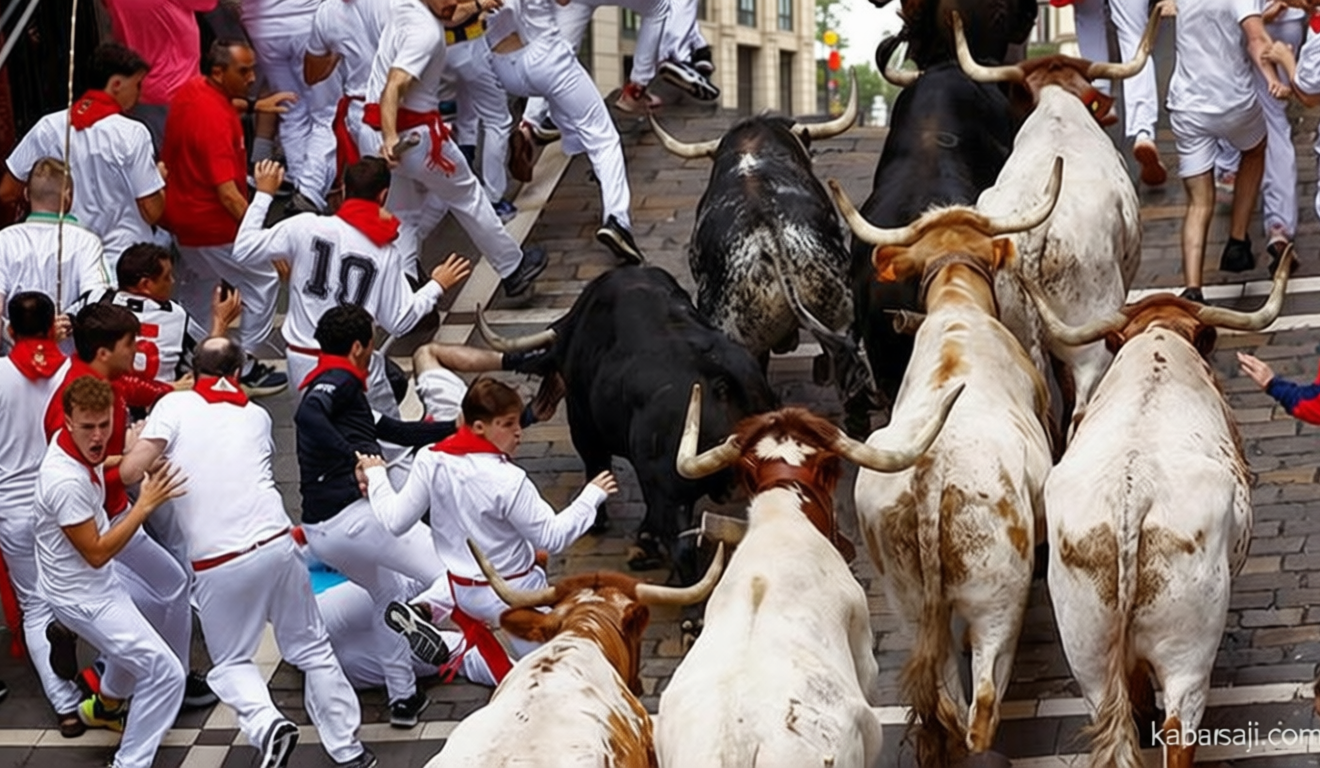
The central attraction of Spain’s ‘Running of the Bulls’ festival is the bull run, a thrilling event where bulls are released into the streets of Pamplona, followed by participants who race to keep pace with them. The 848-meter route, known as the “encierro,” takes runners through the narrow alleys of the Old Quarter, a historic part of the city that has become synonymous with the festival. Participants, ranging from seasoned runners to first-time adventurers, dress in traditional attire, often including red scarves, and chant “San Fermin, San Fermin, San Fermin” to maintain the rhythmic energy of the event. The bulls, bred for speed and agility, are trained to navigate the tight streets, while spectators gather along the route to cheer and celebrate. The event is not only a test of physical endurance but also a vibrant showcase of community spirit and shared heritage.
Ernest Hemingway’s novel “The Sun Also Rises,” a cornerstone of modern literature, was inspired by the festival and has become a global symbol of its tradition. Published in 1926, the book helped cement the event’s reputation worldwide, with Hemingway himself attending the 1925 festival and chronicling his experiences in the novel. The story of the bulls and their daring runners has since transcended its origins, becoming a cultural touchstone that resonates with readers and visitors alike. As the festival continues to attract millions, its blend of history, culture, and controversy remains a focal point of annual celebration in northern Spain.