
S&P Keeps Indonesia’s Debt Outlook Stable: What Drove the Rating?
ors Behind the Rating Decision S P Keeps Indonesia s Debt - S&P Global Ratings has reaffirmed Indonesia's BBB credit rating with a stable outlook, reinforcing
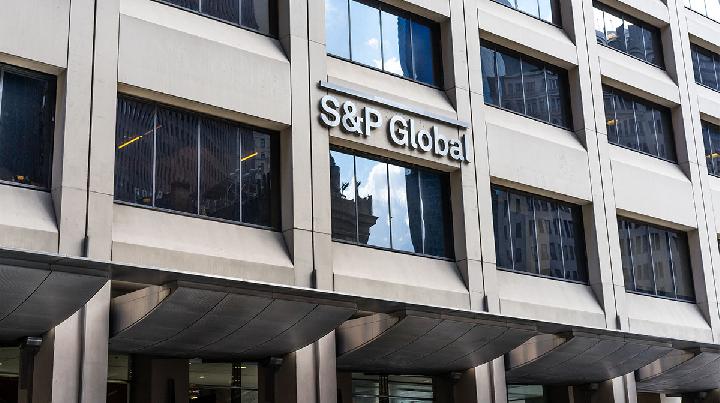
S&P Maintains Indonesia’s Stable Debt Outlook: Factors Behind the Rating Decision
S P Keeps Indonesia s Debt – S&P Global Ratings has reaffirmed Indonesia’s BBB credit rating with a stable outlook, reinforcing the nation’s debt trajectory as favorable. This decision comes amid a backdrop of sustained economic growth and prudent fiscal management, with the agency emphasizing the government’s ability to maintain a budget deficit below 3% of GDP in the current year. The S&P Keeps Indonesia’s Debt outlook reflects confidence in the country’s capacity to manage its financial obligations, driven by a combination of structural reforms and revenue diversification strategies. Analysts note that Indonesia’s debt-to-revenue ratio has shown gradual improvement, aligning with its long-term goals of fiscal sustainability.
Macroeconomic Policies and Revenue Growth
The stable rating is grounded in Indonesia’s macroeconomic policies, which have demonstrated resilience in the face of global economic volatility. S&P highlighted the country’s strong growth potential, particularly in sectors like manufacturing, services, and digital innovation. While the economy faces challenges such as a modest GDP per capita and limited export capacity, these factors are being mitigated through targeted investments in infrastructure and technology. Additionally, the government’s focus on enhancing revenue streams—through taxation reforms and non-oil export diversification—has contributed to a more robust fiscal framework. The S&P Keeps Indonesia’s Debt outlook is further supported by the agency’s belief in the effectiveness of these measures to ensure long-term financial stability.
“Our ratings on Indonesia reflect the economy’s strong growth potential, well-managed macroeconomic policies, and a lower net external debt burden compared to similar economies,” stated S&P in its report. This sentiment underscores the agency’s optimism about Indonesia’s ability to balance its debt obligations with expanding economic opportunities. The stability of the rating is not just a reflection of current conditions but also a signal of the country’s preparedness to navigate future uncertainties.
Challenges and Debt Servicing Pressures
Despite the positive outlook, S&P acknowledges several challenges that could test Indonesia’s financial resilience. These include a limited export and fiscal revenue base, which makes the economy vulnerable to external shocks. The domestic financial sector, while improving, remains less developed than in other regional economies, requiring further reforms to bolster investor confidence. Additionally, the country’s debt servicing costs have risen due to the rupiah’s depreciation and higher bond yields, which are partly linked to the global economic environment. The S&P Keeps Indonesia’s Debt outlook, however, remains unchanged as the government continues to implement measures to reduce spending on the free nutritious meal (MBG) program and maintain deficit control.
S&P also pointed out that the creation of PT Danantara Sumberdaya Indonesia (DSI) has introduced new dynamics into the investment landscape. While this initiative is not the primary driver of growth, it has the potential to influence investor sentiment and attract capital to key sectors. The agency praised the government’s responsiveness to industry feedback and its adaptability in policy execution, which are critical for sustaining the stable debt outlook. These efforts demonstrate a commitment to balancing short-term economic needs with long-term fiscal discipline.
Debt Management and Future Outlook
The stable debt outlook hinges on Indonesia’s ability to maintain revenue growth and diversify its income sources. S&P anticipates continued economic expansion, projecting growth rates of 5% over the next two to three years, even with rising oil prices. This growth is expected to be supported by increased domestic consumption and a resilient private sector, which are vital for reducing reliance on external borrowing. However, the agency cautioned that the country must remain vigilant in addressing structural weaknesses, such as the need for greater financial sector development and improved efficiency in public spending.
Indonesia’s debt management strategy has also been bolstered by its pandemic response. During the crisis, the government implemented measures to support households and businesses, but this came at the cost of increased public debt. S&P noted that Indonesia’s debt levels have since stabilized, with the nation focusing on repaying these obligations through sustained revenue growth and fiscal consolidation. The S&P Keeps Indonesia’s Debt outlook is thus a recognition of the government’s ability to balance these competing priorities while ensuring macroeconomic stability.
Looking ahead, the agency emphasized the importance of continued progress in reducing the debt-to-revenue ratio. This will require not only maintaining the current fiscal discipline but also fostering innovation in the financial sector and expanding the export base. S&P’s stable rating serves as a benchmark for investors and policymakers, signaling that Indonesia is on a path toward sustainable debt management and economic resilience. With the right strategies in place, the country is well-positioned to uphold its debt outlook in the years to come.