
South Korea Weighs Social Media Ban for Children Under 14
14 South Korea Weighs Social Media Ban - South Korea has taken a significant step toward regulating the digital habits of its youngest citizens by considering
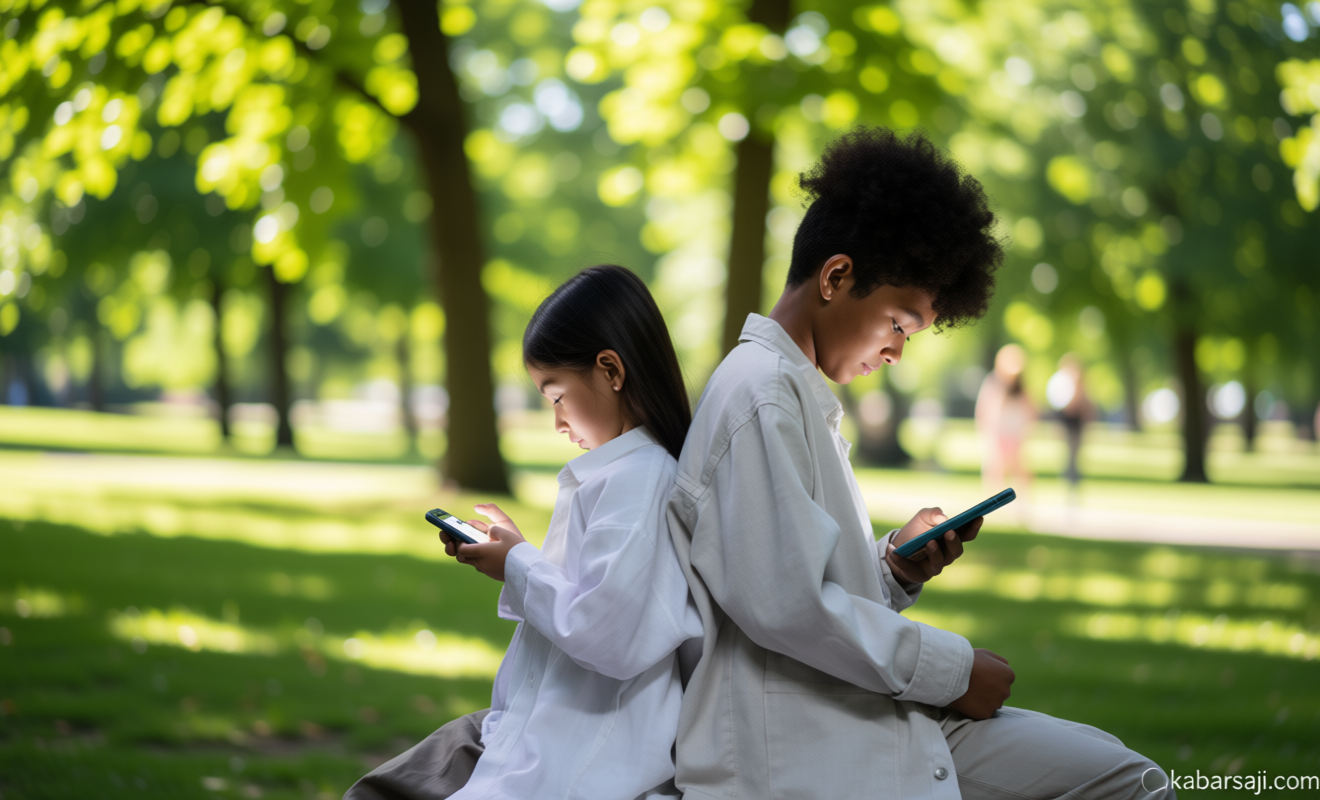
South Korea Weighs Social Media Ban for Children Under 14
South Korea Weighs Social Media Ban – South Korea has taken a significant step toward regulating the digital habits of its youngest citizens by considering a social media ban for children under 14. This proposal, backed by the country’s media regulator, aims to address the growing concerns surrounding the impact of online platforms on adolescent well-being. As social media usage among minors continues to rise, policymakers are exploring ways to limit screen time and reduce exposure to addictive content, aligning with a global movement to protect youth from the adverse effects of digital overexposure. The focus keyword—South Korea Weighs Social Media—has become central to this debate, reflecting the nation’s commitment to balancing innovation with digital responsibility.
The Phased Strategy and Algorithmic Constraints
“Teenagers’ heavy reliance on social media has emerged as a worldwide issue,” stated Kim Jong-cheol, chair of the Communications and Media Commission, during a meeting at the South Korean Presidential Office. He outlined a plan to phase in restrictions that would prevent minors under 14 from creating accounts and curb exposure to algorithms designed to promote prolonged engagement among teens aged 14 to 19. The proposed measures emphasize a gradual implementation, allowing parents and educators to adapt to the new rules while ensuring children have access to age-appropriate digital tools.
The strategy includes a tiered approach, with initial steps targeting account creation for children below 14 years old. By imposing limits on how young users can interact with platforms, the government hopes to reduce the risk of mental health issues, cyberbullying, and sleep disruption. Experts argue that algorithms, which prioritize engagement through personalized content and notifications, are particularly harmful to younger audiences, encouraging them to spend excessive hours online. This initiative seeks to mitigate such effects by redesigning digital platforms to prioritize content that supports learning and development over entertainment and distraction.
Legislative Progress and Historical Context
Currently, seven legislative proposals related to this policy are under discussion in the National Assembly, signaling a bipartisan effort to address the issue. The proposed measures build on the lessons learned from earlier attempts, such as the 2011 Shutdown Law, which restricted online gaming for children under 16 between midnight and 6 a.m. While that law aimed to combat gaming addiction, it faced backlash for limiting access to a popular form of entertainment and inadvertently harming the gaming industry. Its repeal in January 2022 highlighted the need for a more nuanced approach, prompting the current focus on social media rather than gaming.
Unlike the 2011 law, the new proposal emphasizes proactive regulation through algorithmic design and account creation rules. This shift reflects a broader understanding of how digital platforms shape behavior, with an emphasis on reducing screen time without completely restricting access. The Korean government has also engaged stakeholders, including parents, educators, and tech companies, to refine the policy and ensure it remains effective while avoiding unintended consequences. Such collaboration underscores the importance of balancing technological progress with the well-being of future generations.
Global Precedents and Cross-Border Influence
The proposed measures in South Korea are part of a growing international trend to regulate children’s digital habits. The European Union has already introduced guidelines to limit social media access for users under 13, while Australia pioneered a ban on accounts for those under 16. These actions reflect a shared recognition of the risks associated with digital overexposure, such as reduced physical activity, attention span issues, and exposure to harmful content. South Korea’s focus keyword—South Korea Weighs Social Media—places it at the forefront of this global effort, as it continues to refine policies that may serve as a model for other countries.
Additionally, the United States has taken steps to address the issue, with the Children’s Online Privacy Protection Act (COPPA) regulating data collection from minors under 13. However, South Korea’s proposal is more comprehensive, targeting not just data privacy but also the structural design of social media platforms. By incorporating algorithmic constraints and age-based restrictions, the country aims to create a digital environment that supports healthy development. This approach could influence other nations to adopt similar strategies, reinforcing the relevance of South Korea Weighs Social Media in shaping global digital policies.
Public Reaction and Industry Challenges
Public opinion in South Korea is divided on the proposed social media ban. While many parents and educators support the initiative, citing its potential to protect children from cyber threats and digital fatigue, some critics argue that it could stifle innovation and hinder access to information. The tech industry has expressed concerns about the implementation of the policy, fearing it may lead to a decline in user engagement and revenue. However, proponents believe the benefits outweigh the risks, emphasizing the need to safeguard children’s mental health and social development.
South Korea Weighs Social Media is not just about limiting access but also about redefining how digital platforms interact with young users. The policy could lead to the development of child-friendly versions of social media, tailored to promote positive engagement rather than passive consumption. Furthermore, it may encourage the integration of digital literacy programs into school curricula, ensuring that children are equipped to navigate the online world responsibly. This multi-faceted strategy highlights South Korea’s ambition to lead in digital regulation while addressing the unique challenges of its youth population.
Long-Term Implications and Future Outlook
If implemented, South Korea’s social media restrictions could have lasting effects on how children engage with technology. By setting a precedent for age-based digital controls, the country may inspire similar initiatives in other regions, potentially reshaping global internet usage patterns. The success of this policy will depend on its ability to adapt to evolving technology and user behavior, ensuring that it remains effective in the long term. South Korea Weighs Social Media has sparked a nationwide conversation about the role of digital platforms in education, socialization, and entertainment, positioning the nation as a key player in the fight against digital overexposure.
As discussions in the National Assembly progress, the focus keyword—South Korea Weighs Social Media—will remain central to the debate. The government is expected to finalize the proposal by the end of 2023, with potential implementation beginning in 2024. This timeline allows for further refinement of the policy and ensures that stakeholders have the opportunity to provide feedback. Ultimately, the decision to ban social media for children under 14 represents a bold step toward creating a healthier digital ecosystem, one that prioritizes the well-being of future generations. With its comprehensive approach, South Korea may set a new standard for digital regulation worldwide.