Unification Church Matriarch Sentenced to Two Years in Prison Over Bribery Scheme
Kabarsaji.com – A Seoul court on Monday imposed a two-year custodial sentence on Han Hak Ja, the 83-year-old widow who now heads South Korea’s most politically entangled religious organization. The verdict, handed down on bribery counts, marks the latest chapter in a sprawling web of graft allegations that has swept through the country’s highest echelons of power over the past year.
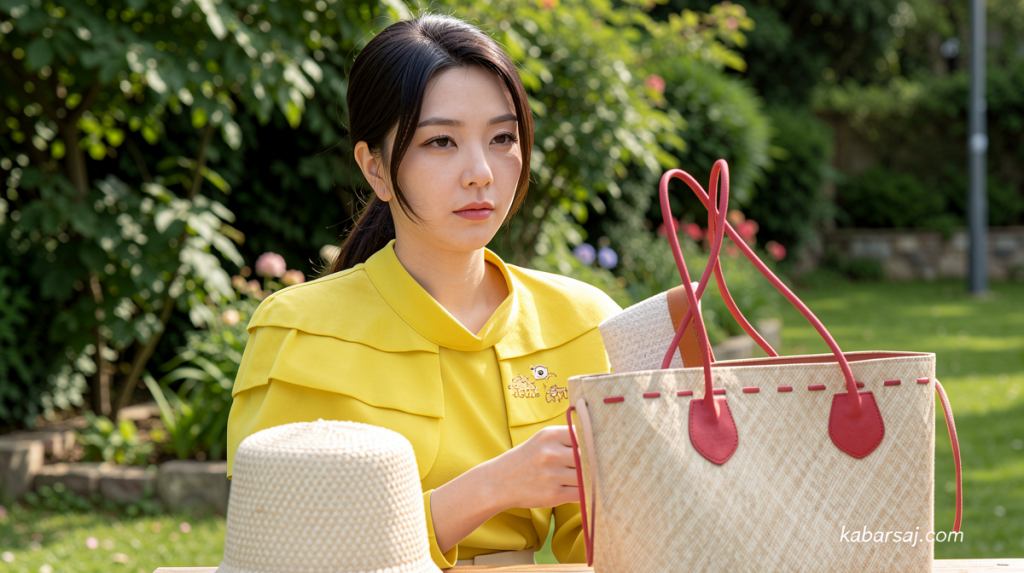
Han, who inherited leadership of the Unification Church after the death of its charismatic founder Sun Myung Moon, was found guilty of funneling costly gifts — including a designer handbag — to Kim Keon Hee, the former First Lady, in return for political favors. Kim herself has already been convicted on separate corruption charges. Han has maintained throughout the trial that she never personally handed over any items, insisting they were transmitted through an intermediary. Her legal team confirmed immediately after the ruling that they will file an appeal.
The Political Storm Behind the Verdict
The sentencing lands amid an extraordinary period of institutional upheaval in South Korea. Kim’s husband, former President Yoon Suk Yeol, is himself behind bars following his botched attempt to impose martial law across the country. Yoon was stripped of office in 2025, and observers had long flagged his presidency for democratic backsliding and systematic suppression of independent media. The simultaneous incarceration of both the former president and the church matriarch has sharpened public scrutiny over how deeply religious institutions have woven themselves into the machinery of Korean politics.
For decades, the Unification Church has cultivated relationships with lawmakers, party officials, and presidential aides. Critics argue that the church’s strategy of courting political patrons — sometimes through gifts, sometimes through mobilizing congregants as voters or campaign volunteers — created a parallel channel of influence that operated outside normal accountability mechanisms. The bribery case against Han is widely seen as the judicial system finally testing whether that channel can be held to the same legal standards as any other actor in public life.
What Is the Unification Church?
Formally styled the “Family Federation for World Peace and Unification,” the denomination traces its origins to the 1950s, when Sun Myung Moon and his wife began preaching a distinctive theology in post-war Korea. Moon, who died in 2012, periodically declared himself the second coming of Jesus Christ — a claim that drew both fervent devotion and sharp theological criticism. After his passing, Han assumed the role of spiritual leader, continuing to direct the organization’s global activities.
The church has built its public identity around spectacular mass weddings, in which thousands of couples are paired and married in a single ceremony. It has also cultivated a reputation for operational secrecy, leading many South Koreans to describe it in terms that border on the cult label. Accusations of influence-peddling — using religious authority to extract political concessions — have followed the organization through multiple administrations.
The denomination’s footprint extends well beyond the Korean peninsula. In Japan, where the church established a substantial presence, its political entanglements reached a tragic climax in 2022, when former Prime Minister Shinzo Abe was assassinated by a gunman whose motive was rooted in his family’s longstanding, bitter connection to the church. That event forced a national reckoning with how deeply religious organizations could shape political outcomes without transparent oversight.
Implications and What Comes Next
The two-year sentence, while substantial, is unlikely to end the church’s political role overnight. The organization maintains congregations across dozens of countries and controls significant financial resources. Han’s announced appeal means the verdict will travel through South Korea’s appellate courts, a process that can stretch over many months. During that interval, the church retains its organizational infrastructure and its network of contacts within the legislature and executive branches.
For South Korean voters, the case underscores a question that has grown more urgent with each successive scandal: how much latitude should religious institutions enjoy when they operate at the intersection of faith, finance, and state power? The answer, at least for now, rests with the courts — and with a public that has grown increasingly impatient with institutions that treat political access as a commodity to be purchased.
Related Reading
Frequently Asked Questions
What is South Korea Hands Jail Term to Unification?
South Korea Hands Jail Term to Unification is the main topic of this guide. The article explains the context, practical details, and next steps readers should understand.
Why does South Korea Hands Jail Term to Unification matter?
South Korea Hands Jail Term to Unification matters because readers are looking for a useful answer, not just a short summary. Good content should match search intent and help them decide what to do next.