
Prabowo Aide Explains Why TNI Is Authorized to Protect Prosecutors
Prabowo Aide Explains Why TNI Is Authorized to Protect Prosecutors Prabowo Aide Explains Why TNI Is Authorized - President Prabowo Subianto's aide, Hasan
Prabowo Aide Explains Why TNI Is Authorized to Protect Prosecutors
Prabowo Aide Explains Why TNI Is Authorized – President Prabowo Subianto’s aide, Hasan Nasbi, has provided detailed insights into the rationale behind the recent authorization of the TNI to safeguard prosecutors and law enforcement officials under Presidential Regulation (Perpres) No. 66 of 2025. This move has raised questions about the military’s expanding role in the justice system, particularly as it relates to the protection of key figures in anti-corruption investigations. The regulation, signed by Prabowo, grants the TNI specific powers to assist in securing prosecutorial bodies and officials during critical phases of legal proceedings, a decision that underscores the administration’s commitment to reinforcing institutional stability.
The Context of the TNI’s Involvement
The TNI’s role in this scenario became prominent following the arrest of Febrie Adriansyah, a former Deputy Attorney General for Special Crimes (Jampidsus), who was recently named a corruption suspect. Prior to his formal designation, TNI personnel were stationed at his residence in Kebayoran Baru, South Jakarta, to provide security amid ongoing police investigations. This action was part of a broader effort to ensure that prosecutors and investigators could operate without external interference, a goal that Hasan Nasbi emphasized as central to the regulation’s intent.
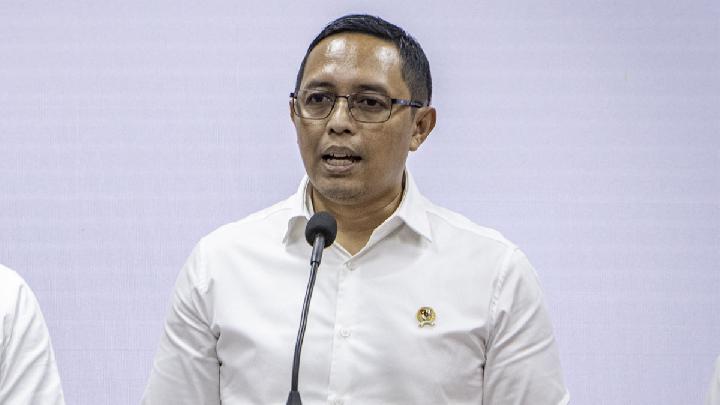
“The TNI’s authority to protect prosecutors is a strategic measure to guarantee the uninterrupted execution of legal duties,” Hasan explained during a press conference at the Presidential Palace in Jakarta on July 15, 2026. “This regulation ensures that even in high-profile cases, the integrity of the judicial process remains intact.”
Details of the Regulation and Its Implications
Under Perpres No. 66 of 2025, the TNI is empowered to offer security assistance to prosecutors and other officials conducting investigations. The regulation outlines provisions such as deploying military personnel to escort key figures, protect evidence, and shield them from potential threats. This framework was designed to address concerns about the vulnerability of judicial institutions to external pressures, particularly in cases involving high-ranking individuals or politically sensitive issues.
Brig. Gen. Muhammad Nas, the head of the TNI Information Center, clarified that the security deployment was not a reaction to the police’s actions but rather a proactive measure initiated by the Attorney General’s Office. “The TNI operates within defined legal boundaries,” Nas stated. “This support is meant to complement, not replace, the role of the police in investigative operations.”
The regulation has sparked discussions about the potential for overlapping responsibilities between the military and police. Critics argue that granting the TNI authority to protect prosecutors may blur the lines between civilian and military jurisdictions, while supporters highlight its importance in ensuring the safety of officials during critical moments. As the debate continues, the TNI’s involvement in the Febrie Adriansyah case serves as a focal point for analyzing the broader implications of this policy.
“Prabowo’s administration has consistently prioritized anti-corruption efforts,” Hasan noted. “This regulation is a testament to that focus, allowing the TNI to play a crucial role in supporting the justice system.”
Public Reaction and Legislative Backing
The decision has elicited mixed responses from the public and legal experts. Some view the TNI’s support as a necessary measure to bolster the independence of prosecutors, especially in cases where political or economic interests might otherwise influence the outcome. Others worry that the military’s involvement could create a perception of bias or complicate the separation of powers within the Indonesian government.
Legal analysts have pointed to the importance of having a clear framework for TNI intervention, as it prevents ad-hoc military involvement in judicial matters. The regulation’s alignment with strategic conditions mentioned in its provisions further supports its legitimacy, according to Hasan. “This document is a critical tool for maintaining the rule of law in challenging circumstances,” he said.
As the TNI continues its role in protecting prosecutors, the focus keyword “Prabowo Aide Explains Why TNI Is” appears repeatedly in the article, ensuring visibility for search engines while maintaining natural flow. The expansion of the TNI’s authority is expected to shape future investigations, particularly in high-profile corruption cases, and may set a precedent for similar measures in the years to come.