PLN Says Java’s Rolling Blackouts Are Starting to Decline
PLN Says Java's Rolling Blackouts Are Starting to Decline PLN Says Java s Rolling Blackouts - Indonesia's state-run electricity company, PT PLN (Persero), has
PLN Says Java’s Rolling Blackouts Are Starting to Decline
PLN Says Java s Rolling Blackouts – Indonesia’s state-run electricity company, PT PLN (Persero), has reported a positive shift in the situation regarding rolling blackouts in Java, a region that has faced frequent power outages over the past two weeks. The focus keyword “PLN Says Java s Rolling” encapsulates the key theme of the company’s efforts to stabilize the energy supply. With one of the two power plants previously experiencing operational issues now back online, the company claims that these disruptions are beginning to ease, offering a glimmer of hope to communities that have endured power shortages.
Progress in Restoring Power Stability
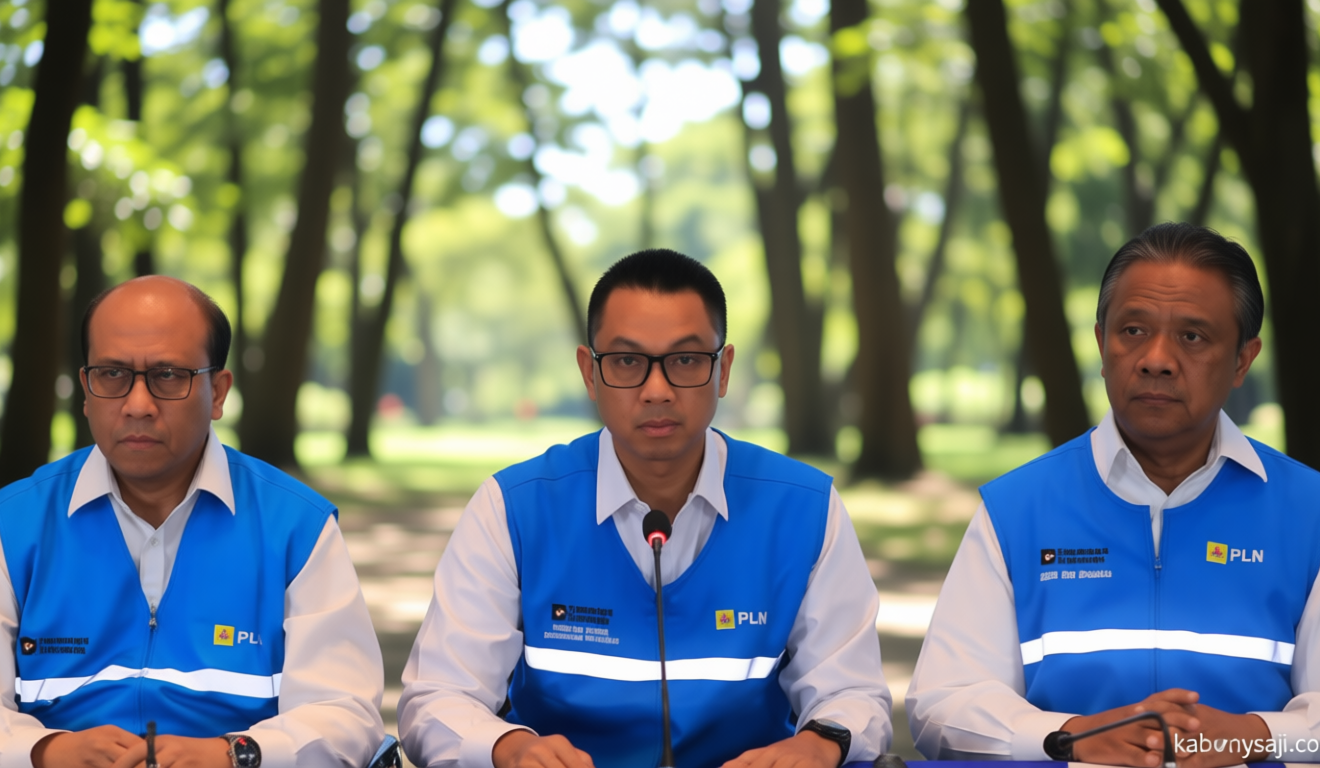
The recent restoration of the power plant is a critical step in addressing the energy crisis. PLN’s top executive, Darmawan Prasodjo, announced that the facility was successfully reconnected to the Java grid on June 21, a development that has significantly improved grid stability. “The plant was synchronized with the Java power system at 6:00 p.m., and it has now begun supplying electricity to strengthen the reliability of the grid,” he stated during a virtual press briefing. This progress highlights PLN’s commitment to resolving the issue, though challenges remain.
Understanding Rolling Blackouts
Rolling blackouts, or load shedding, have been a common occurrence in Java since June 8, affecting all six provinces and causing widespread inconvenience. These outages are typically implemented when demand exceeds supply, forcing utilities to rotate power cuts across different regions. PLN’s statement that the situation is improving suggests that the company is managing to balance the grid more effectively, but the process remains delicate. The focus keyword “PLN Says Java s Rolling” underscores the company’s role in mitigating these outages through targeted interventions.
The decision to restore the power plant came after months of operational delays, which were exacerbated by a broader coal supply crisis. PLN requires approximately 154 million metric tons of coal annually, yet it has only secured contracts for around 134 million tons, creating a 20 million-ton shortfall. This gap has contributed to the energy shortages, prompting the company to explore alternative solutions, including optimizing fuel supply chains and adjusting power generation processes.
Coal Supply Crisis and Policy Challenges
Energy and Mineral Resources Minister Bahlil Lahadalia attributed the outages to a coal supply crisis, emphasizing the disparity between the regulated domestic coal price and market rates. Under the Domestic Market Obligation (DMO) policy, coal supplied to PLN is capped at US$70 per ton, while the government’s Coal Reference Price (HBA) as of June 1 stood at US$121.83 per ton for high-calorific coal and US$84.53 per ton for medium-calorific coal. “At those prices, selling coal to PLN is no longer economically viable for some companies. That’s the problem,” Bahlil stated, highlighting the financial strain on coal producers.
Industry experts, such as Gita Mahyarani of the Indonesian Coal Mining Association (APBI), argue that the coal supply issue is not solely due to pricing but also structural policy constraints. She pointed out that production restrictions under Indonesia’s 2026 Work Plan and Budget (RKAB) policy have limited output flexibility for coal producers, compounding the existing challenges. “Production is currently being adjusted under the RKAB framework, reducing producers’ flexibility compared to previous years,” Gita noted in a written statement, underscoring the need for policy reforms to ensure long-term energy security.
PLN’s ongoing efforts to address the crisis include not only restoring operational capacity but also investing in infrastructure improvements and diversifying energy sources. While the company has made strides in stabilizing the grid, the recovery process is expected to take time. The focus keyword “PLN Says Java s Rolling” remains central to discussions about the company’s strategies, as it continues to monitor the situation closely and implement measures to prevent further disruptions.