
Over 10mn Women, Girls in Afghanistan Need Aid Amid Funding Crunch
Over 10mn Women, Girls in Afghanistan Need Aid Amid Funding Crunch Over 10mn Women Girls in Afghanistan - The United Nations Office for the Coordination of
Over 10mn Women, Girls in Afghanistan Need Aid Amid Funding Crunch
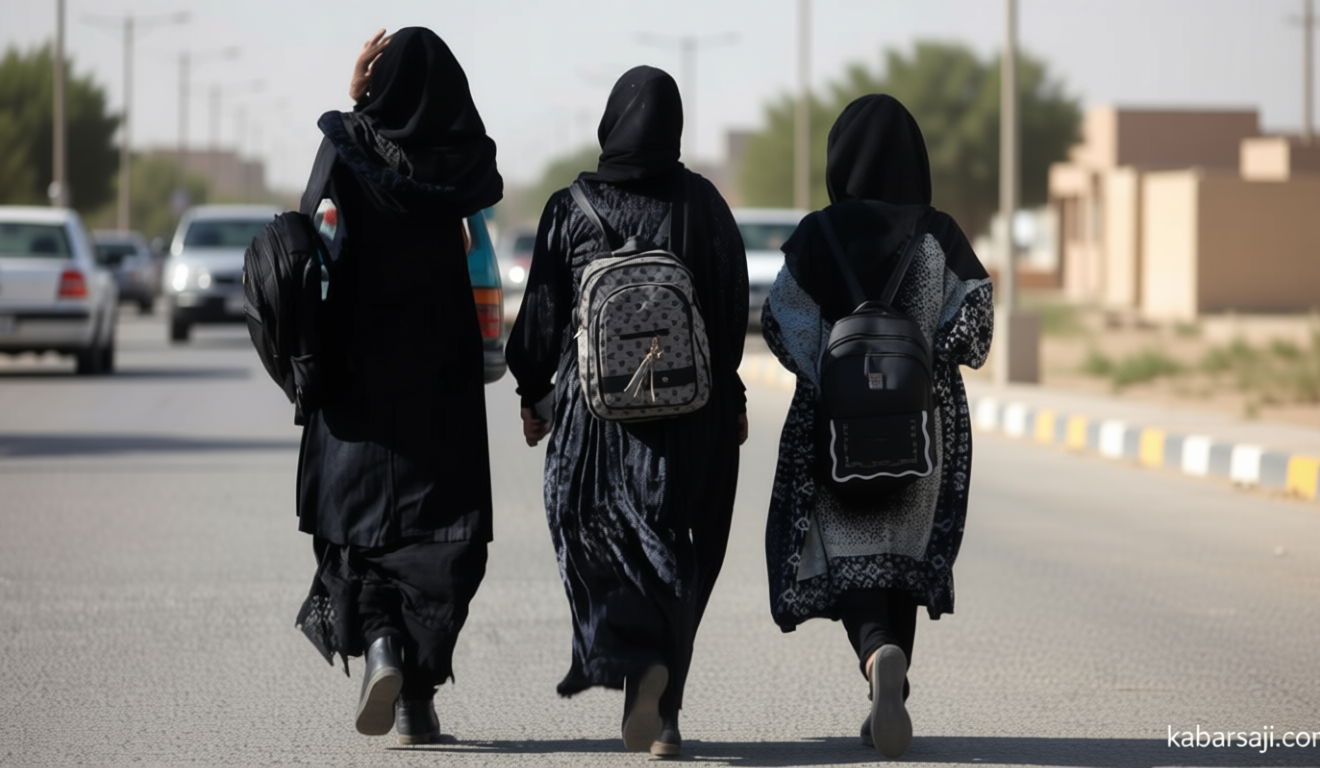
Over 10mn Women Girls in Afghanistan – The United Nations Office for the Coordination of Humanitarian Affairs (OCHA) has warned that over 10.7 million women and girls in Afghanistan face a critical need for urgent humanitarian aid by 2026. This staggering figure underscores the deepening crisis for the country’s most vulnerable population, as highlighted in a recent report by local media outlet Tolo News on July 14. The situation has deteriorated rapidly due to a combination of factors, including economic instability, reduced international funding, and the ongoing impact of conflict. Over 10mn Women Girls in Afghanistan now rely on aid programs to meet their basic needs, from food and clean water to healthcare and education.
The Escalating Humanitarian Crisis
The crisis has reached a tipping point, with women and girls bearing the brunt of the challenges. According to OCHA, the lack of consistent funding has left millions without access to essential services, such as maternal care, nutrition programs, and psychosocial support. In rural areas, where healthcare facilities are sparse, the situation is particularly dire. Many women are unable to travel for medical care due to security concerns, further compounding the risks to their health. The United Nations has repeatedly called for increased funding to prevent a humanitarian catastrophe, emphasizing that the needs of women and girls are both urgent and interconnected with the broader stability of Afghan society.
International aid has been a lifeline for Afghanistan’s population, especially for women and girls. However, the funding crunch has severely strained these efforts. The US, once a major donor, drastically reduced its foreign aid under the Trump administration, contributing to a significant drop in resources available to Afghan organizations. Other donor countries have also scaled back contributions, leaving the country with limited capacity to address the escalating needs. This has created a gap between the demand for aid and the ability to deliver it, particularly for women and girls who depend on these services for survival.
Key Challenges for Women and Girls
Women and girls in Afghanistan are facing a multifaceted crisis that spans economic, social, and health domains. One of the most pressing issues is the shrinking number of female healthcare professionals, who are essential for providing care in a country where many women are unable to access services due to cultural and religious restrictions. Additionally, the closure of women’s organizations has left many communities without support networks, amplifying the risks of violence, poverty, and lack of education. Over 10mn Women Girls in Afghanistan are now at greater risk of falling into poverty, as many have lost their livelihoods or are unable to work due to the conflict and restrictive policies.
The situation is further compounded by limited access to medical facilities. In some regions, hospitals and clinics have been forced to shut down due to financial constraints, leaving women and girls without reliable care. Maternal mortality rates have risen sharply, with many women unable to receive prenatal or postnatal care. This has led to a surge in complications during childbirth, placing additional pressure on already strained healthcare systems. OCHA has urged governments and donors to prioritize funding for these services, as the well-being of women and girls is directly tied to the overall health and resilience of Afghanistan’s population.
The impact of the funding crunch extends beyond immediate needs. With fewer resources, aid programs have had to cut back on services, leaving millions without support. For instance, food distribution has decreased, and the number of beneficiaries in nutrition programs has dropped. Women and girls, who often bear the responsibility of household management and child care, are particularly affected. The lack of aid has also led to increased rates of malnutrition, especially among children, as families struggle to afford basic necessities. Over 10mn Women Girls in Afghanistan are now living in conditions of extreme hardship, with their futures hanging in the balance.
International Response and Calls for Action
Despite the dire situation, international actors have called for increased support to address the crisis. The UN has reiterated its commitment to helping women and girls, stating that the global community must act to prevent further suffering. In a statement, Sofia Calltorp, UN Women’s chief of humanitarian action, highlighted the importance of maintaining support for women’s organizations: “The women’s organizations at risk of being shut down are on the frontlines of the world’s most severe humanitarian crises.” This sentiment is echoed by NGOs and humanitarian groups, which emphasize that the survival of Afghan women and girls depends on sustained funding and political will.
Additionally, there is a growing concern that the funding shortfall could lead to the collapse of critical programs. A recent UN survey of 855 women’s organizations across 52 countries, including Afghanistan, revealed that nearly 40% anticipate temporary or permanent closure within the next year. Meanwhile, 60% of these groups reported that they are reaching fewer beneficiaries despite the rising demand. The consequences of this trend are severe, as it threatens to erase years of progress in improving the lives of Afghan women and girls. Over 10mn Women Girls in Afghanistan are now in danger of being left behind, with their access to education, healthcare, and economic opportunities dwindling rapidly.
Read: Taliban Arrest 30 Women for Violating Hijab Rules, UN Says