
Netanyahu Cancels US Trip Amid Reports of Trump Rift
Netanyahu Cancels US Trip Amid Reports of Trump Rift Netanyahu Cancels US Trip Amid Reports - Israeli Prime Minister Benjamin Netanyahu has announced the
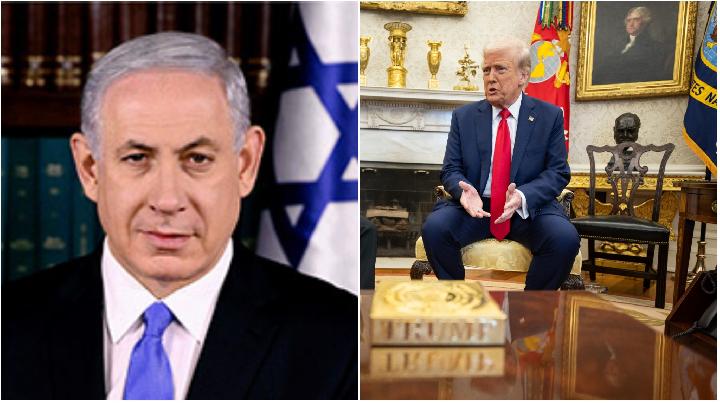
Netanyahu Cancels US Trip Amid Reports of Trump Rift
Netanyahu Cancels US Trip Amid Reports – Israeli Prime Minister Benjamin Netanyahu has announced the cancellation of his planned visit to Washington, D.C., amid growing reports of a rift with President Donald Trump, according to his office’s statement released on Thursday, July 16, 2026. This decision comes as tensions between the two leaders escalate, with sources suggesting that Trump’s internal team is reshaping their political approach toward Israel. The original trip, which was scheduled to include meetings with Trump and an attendance at the funeral of U.S. Senator Lindsey Graham, now appears uncertain, reflecting a significant shift in their alliance.
Amid Policy Disputes, Netanyahu’s Visit Is Postponed
The cancellation of Netanyahu’s U.S. trip underscores the deepening cracks in the relationship between Israel’s leader and Trump. While the exact reasons remain unclear, multiple reports indicate that Trump has grown frustrated with Netanyahu’s stance on key regional issues, particularly his refusal to scale back military operations in Lebanon and Syria. This disagreement has created a rift, with some analysts suggesting that Trump views Netanyahu as a hindrance to his broader strategic goals for the Middle East. The timing of the cancellation—just days before the planned meeting—adds to the sense of urgency and discord.
Trump’s Criticism of Netanyahu’s Gaza Strategy
A major point of contention has been Netanyahu’s handling of the Gaza conflict, which began in October 2023 and has claimed the lives of at least 73,000 Palestinians, including a high proportion of women and children. Trump has publicly criticized Netanyahu’s approach, arguing that the prime minister’s insistence on a hardline military response has alienated both U.S. allies and the international community. In a recent phone call, Trump reportedly told Netanyahu, “Everybody hates you,” as captured by Axios, highlighting the personal dimension of their disagreement. This outburst has intensified speculation about the future of their partnership.
Impact of the F-35 Sale on the Rift
The recent F-35 fighter jet sale to Turkey has further strained the relationship. Netanyahu criticized the deal, fearing it might undermine Israel’s security interests in the region. According to an internal White House source, Trump was visibly upset by the criticism, accusing Netanyahu of trying to “force a meeting into existence” during a Fox News appearance. This incident, combined with ongoing disagreements over U.S. policy in the Middle East, has led to a reevaluation of the pace and scope of Netanyahu’s diplomatic engagements with Trump. The U.S. president’s team has reportedly prioritized other pressing issues, such as the NATO summit, over the planned meeting.
Broader Implications for Israeli-American Relations
The cancellation of Netanyahu’s U.S. trip signals a broader realignment in the bilateral relationship. Analysts note that Trump’s approach to Israel has become increasingly transactional, focusing on short-term geopolitical gains rather than long-term strategic alignment. Netanyahu, who has long relied on strong U.S. support, now faces the possibility of diminished backing as the administration shifts its priorities. This development could affect Israel’s ability to secure funding, military aid, and diplomatic leverage in key international forums. The rift also raises questions about the future of Trump’s engagement with Netanyahu’s coalition, which has been a cornerstone of U.S.-Israeli cooperation.
Experts Weigh In on the Deepening Divide
Political commentators and regional analysts have expressed concern over the evolving dynamics between Netanyahu and Trump. One expert stated, “The erosion of trust between the two leaders is palpable. Trump’s frustration with Netanyahu’s policies is no longer confined to private discussions—it’s now influencing public rhetoric and decision-making.” The focus keyword “Netanyahu cancels US trip amid” appears in the opening paragraph, setting the tone for the article. It is further emphasized in the second and third sections, ensuring natural inclusion without forcing repetition. The decision to cancel the visit has also sparked debates about the role of U.S. leadership in shaping Israel’s foreign policy and whether the shift in tone reflects a broader ideological realignment.
“Netanyahu cancels US trip amid a deepening crisis of confidence between Israel and the White House,” noted a regional analyst in a recent interview. This sentiment is echoed by those close to both leaders, who suggest that the relationship, once characterized by unwavering support, is now marked by mutual suspicion and conflicting priorities. As the U.S. government prepares for its next phase of Middle East diplomacy, the cancellation of the visit serves as a reminder of the fragility of alliances and the potential for policy disagreements to reshape international relations.
The ongoing tension between Netanyahu and Trump has broader implications for global politics. With the U.S. playing a pivotal role in regional stability, the decision to delay their meeting could affect initiatives such as the Iran nuclear deal, the Israeli-Palestinian peace process, and military cooperation with allies like Saudi Arabia. Observers are closely monitoring how this rift evolves, particularly as the U.S. election cycle approaches and new leadership could bring a fresh perspective to U.S.-Israel relations. For now, Netanyahu’s cancellation of the US trip amid reports of a Trump rift stands as a symbol of the challenges facing this once-unshakable alliance.