
Leaders of NU, Muhammadiyah to Join Iran Visit This Week
Leaders of NU, Muhammadiyah to Join Iran Visit This Week Leaders of NU Muhammadiyah to Join - Leaders of NU, Muhammadiyah to Join - Jakarta, Tempo.CO – The
Leaders of NU, Muhammadiyah to Join Iran Visit This Week
Leaders of NU Muhammadiyah to Join – Leaders of NU, Muhammadiyah to Join – Jakarta, Tempo.CO – The Indonesian Ministry of Foreign Affairs has announced that prominent figures from the nation’s two largest Islamic organizations, Nahdlatul Ulama (NU) and Muhammadiyah, will join the country’s diplomatic delegation on a high-profile trip to Iran. This week’s visit, which includes senior officials such as the Foreign Minister and the Speaker of the People’s Consultative Assembly (MPR), underscores Indonesia’s commitment to strengthening its strategic partnerships with the Islamic Republic. The inclusion of these religious leaders highlights the growing importance of interfaith dialogue in shaping Indonesia’s foreign policy.
The Significance of NU and Muhammadiyah in Indonesia’s Political Landscape
Nahdlatul Ulama and Muhammadiyah are two of Indonesia’s most influential Islamic movements, with millions of followers across the archipelago. NU, founded in 1926, emphasizes a broad, inclusive interpretation of Islam and has long been a key player in Indonesian politics, often serving as a mediator between the government and civil society. Muhammadiyah, established in 1912, is more focused on religious reform and has maintained a close relationship with the country’s leadership. Their participation in the Iran visit is expected to reinforce Indonesia’s image as a moderate Muslim nation and foster deeper ties with Iran through shared cultural and religious values.
Objectives of the Bilateral Engagement
The Indonesian delegation’s visit to Iran is part of a broader effort to deepen bilateral relations in areas such as trade, energy, and security. President Prabowo Subianto’s administration has prioritized enhancing Indonesia’s economic ties with Iran, particularly in the oil and gas sector, which is vital for both nations. Additionally, the trip aims to strengthen collaboration on regional issues, including the Middle East peace process and counterterrorism initiatives. By bringing together leaders from NU and Muhammadiyah, Indonesia hopes to leverage their moral authority and community networks to build trust and mutual understanding with Iran’s leadership.
“Leaders from the Central Board of Nahdlatul Ulama (PBNU) and Muhammadiyah will accompany the delegation, showcasing Indonesia’s religious and political unity in this international engagement,” emphasized Yvonne Mewengkang, the Ministry of Foreign Affairs’ spokesperson, during a press conference in Jakarta on Thursday.
The visit is also expected to address the recent developments in Iran’s political and social landscape. With the country navigating internal challenges and external pressures, Indonesia’s leaders aim to discuss opportunities for cultural exchange, educational partnerships, and shared regional interests. The inclusion of NU and Muhammadiyah representatives is a deliberate move to highlight Indonesia’s Islamic identity and its role as a bridge between different Islamic traditions and global powers.
Funeral Processions and Symbolic Gestures
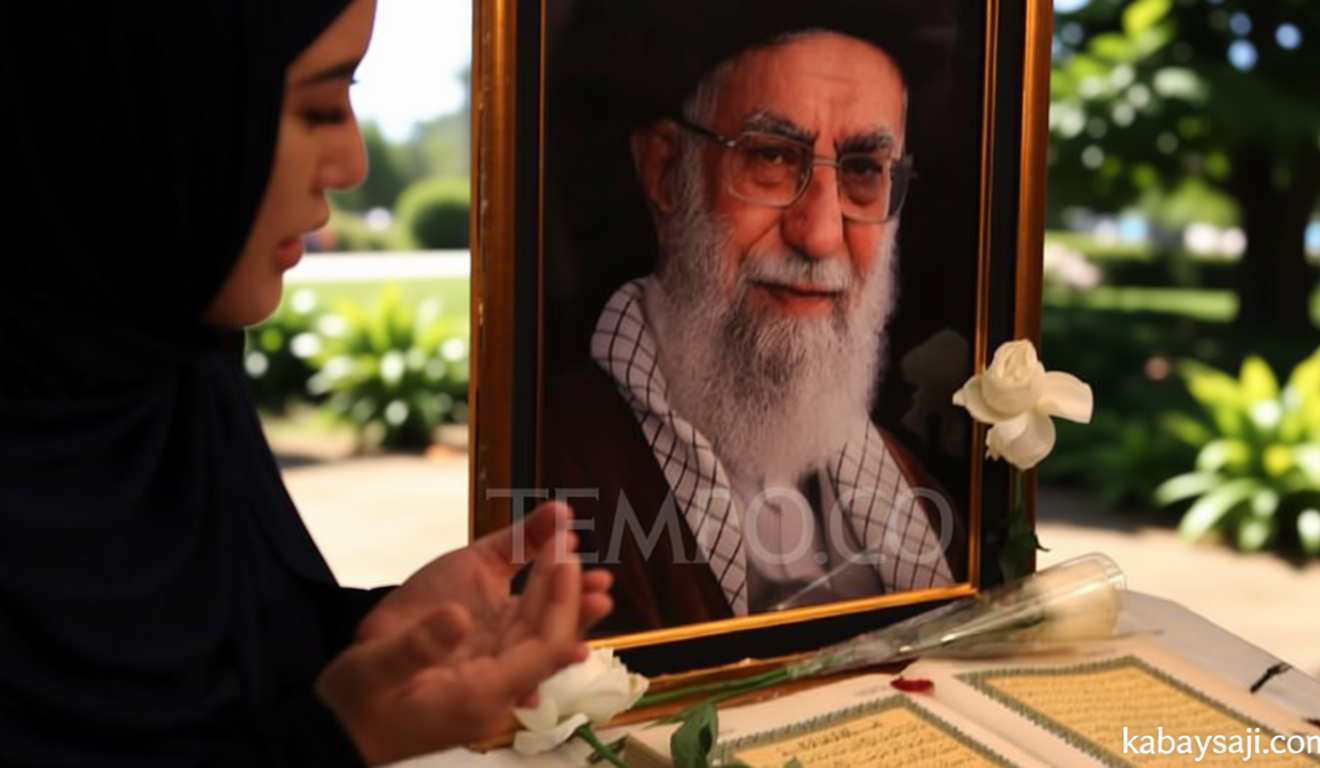
While the primary focus of the visit is on bilateral discussions, the delegation will also participate in the funeral processions for the late Supreme Leader of Iran, Ayatollah Ali Khamenei. These ceremonies, held in major cities across Iran, serve as a platform for Indonesia to express solidarity with the Iranian people and honor their late leader. The Indonesian team, led by Foreign Minister Sugiono and MPR Speaker Ahmad Muzani, will engage with Iranian officials and parliamentarians, including Abbas Araghchi and Mohammad Bagher Ghalibaf, to explore further cooperation and mutual respect.
“The funeral processions provide a unique opportunity to demonstrate Indonesia’s diplomatic presence and cultural sensitivity during this emotionally significant period for Iran,” noted the spokesperson.
Historical Context and Future Prospects
This visit follows a series of high-level diplomatic exchanges between Indonesia and Iran, reflecting the enduring ties between the two nations. Since the 1960s, Indonesia has maintained a strong relationship with Iran, characterized by mutual support in international forums and cooperation in Islamic solidarity efforts. The current trip is anticipated to build on this foundation, addressing contemporary challenges such as economic recovery, geopolitical stability, and climate change. By integrating religious leaders into the diplomatic process, Indonesia aims to create a more holistic approach to engagement, combining political and spiritual dimensions in its foreign relations.
As the delegation prepares for its journey, the visit has sparked discussions among Indonesian analysts about its potential impact on regional dynamics. With Iran playing a central role in Middle Eastern politics, strengthening ties with the country could enhance Indonesia’s influence in the region. The participation of NU and Muhammadiyah leaders also signals a shift towards more collaborative and inclusive foreign policy, where religious institutions are seen as key partners in shaping national interests. This strategic alignment is likely to bolster Indonesia’s position as a respected mediator in global Islamic affairs.