
Jakarta Leads Indonesia in QS Best Student Cities 2027 List
Kabarsaji.com – Jakarta has emerged as Indonesia’s highest-placed city in the QS Best Student Cities 2027 ranking, taking 117th position worldwide. The capital finished just ahead of Yogyakarta, which was ranked 118th, highlighting the close standing of two Indonesian cities with major student populations.
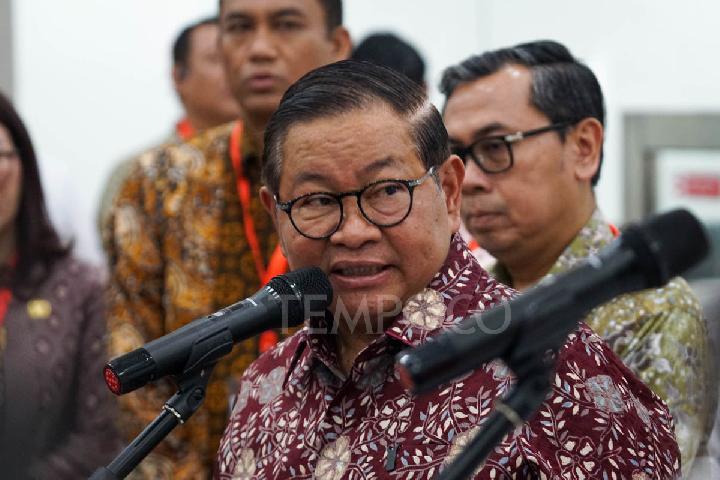
Jakarta Governor Pramono Anung Wibowo announced the result on Monday, October 12, linking the city’s position to continued investment in schools and assistance for students whose families meet program requirements. The ranking places renewed attention on the practical conditions that shape a student’s experience, including access to learning facilities, education support, and well-maintained school buildings.
For Jakarta, the result also reinforces the importance of improving education across a city with a large and diverse population. A strong student-city profile is not determined only by institutions and academic opportunities. Daily learning conditions, safe facilities, and financial support can all affect whether students are able to continue and complete their education.
Education Assistance Remains a Core Priority
The Jakarta administration operates two key support programs. The Jakarta Smart Card, known as KJP, is intended for eligible school students, while the Jakarta Excellent Student Card, or KJMU, supports eligible university students. Pramono said that most students from qualifying families are now covered by one of these initiatives.
The programs are designed to help reduce financial barriers that may interfere with a student’s education. Support for school-age children and university students addresses different stages of the education journey, from early formal learning through higher education.
During a visit to SDN 05 Pekayon elementary school and SMPN 91 junior high school in East Jakarta, Pramono said the condition of physical facilities must remain central to the city’s education agenda.
“These are Jakarta’s main priorities. If educational facilities and infrastructure are not properly prepared, then it is pointless,” Pramono said.
His remarks underline a broader challenge for urban education planning: support programs can be most effective when students also have suitable classrooms, functioning school infrastructure, and learning environments that are properly cared for. Renovating buildings is therefore part of the same policy direction as providing student assistance.
School Upgrades Across Five Administrative Areas
Jakarta completed work on 16 of the 19 school buildings included in its 2025 renovation target. The projects received a combined allocation of Rp876.7 billion, or roughly US$53 million.
The renovation and revitalization effort reached schools in all five administrative areas of Jakarta. It covered a broad range of education levels, including kindergartens, elementary schools, junior high schools, senior high schools, and vocational high schools.
Among the projects were improvements at SDN Pekayon 05/12 and SMPN 91 in East Jakarta, the schools visited by the governor on Monday. The program also involved the conversion of SDN Jati Pulo 08 Pagi into a new junior high school, SMPN 298. Another new school, SMPN 299, was also constructed.
These projects show how school infrastructure planning can take several forms. Some sites require renovation to restore or improve existing facilities, while others may be adapted for a different education level or replaced by newly established schools. The city has said it will continue identifying schools that need upgrades as part of its effort to improve education infrastructure.
Maintenance Is the Next Test
Pramono emphasized that renovation work alone is not enough. Once a project is completed, school buildings need regular maintenance so that improvements remain useful over time. He said decisions on projects are commonly made during limited meetings that also address supervision and the appropriate use of school facilities.
“One of the weaknesses we all recognize is that we can often build, but we cannot maintain [buildings] properly,” he said.
The comment points to the long-term responsibility that follows capital spending. A newly renovated school can offer immediate improvements, but its condition depends on continued care, oversight, and responsible use. Maintenance planning is particularly important when upgrades cover many locations and different types of schools across a large metropolitan area.
Jakarta’s 117th-place global ranking provides a snapshot of the capital’s position among cities considered attractive to students. Its lead over other Indonesian cities in the list comes as the administration continues to combine student assistance with physical investment in schools.
With Yogyakarta immediately behind at 118th, the ranking also demonstrates that Indonesia’s leading student destinations are separated by only a narrow margin. For Jakarta, sustaining its standing will depend not simply on completing individual construction projects, but on maintaining educational support and ensuring that renovated facilities continue to serve students well.
Related Reading
Frequently Asked Questions
What is Jakarta Tops Indonesian Cities in QS Best?
Jakarta Tops Indonesian Cities in QS Best is the main topic of this guide. The article explains the context, practical details, and next steps readers should understand.
Why does Jakarta Tops Indonesian Cities in QS Best matter?
Jakarta Tops Indonesian Cities in QS Best matters because readers are looking for a useful answer, not just a short summary. Good content should match search intent and help them decide what to do next.