
Jakarta to Build Love Lock Bridges Over Cideng River
Jakarta to Build Love Lock Bridges Over Cideng River Jakarta to Build Love Lock Bridges - Jakarta’s capital city is set to introduce a unique and romantic
Jakarta to Build Love Lock Bridges Over Cideng River
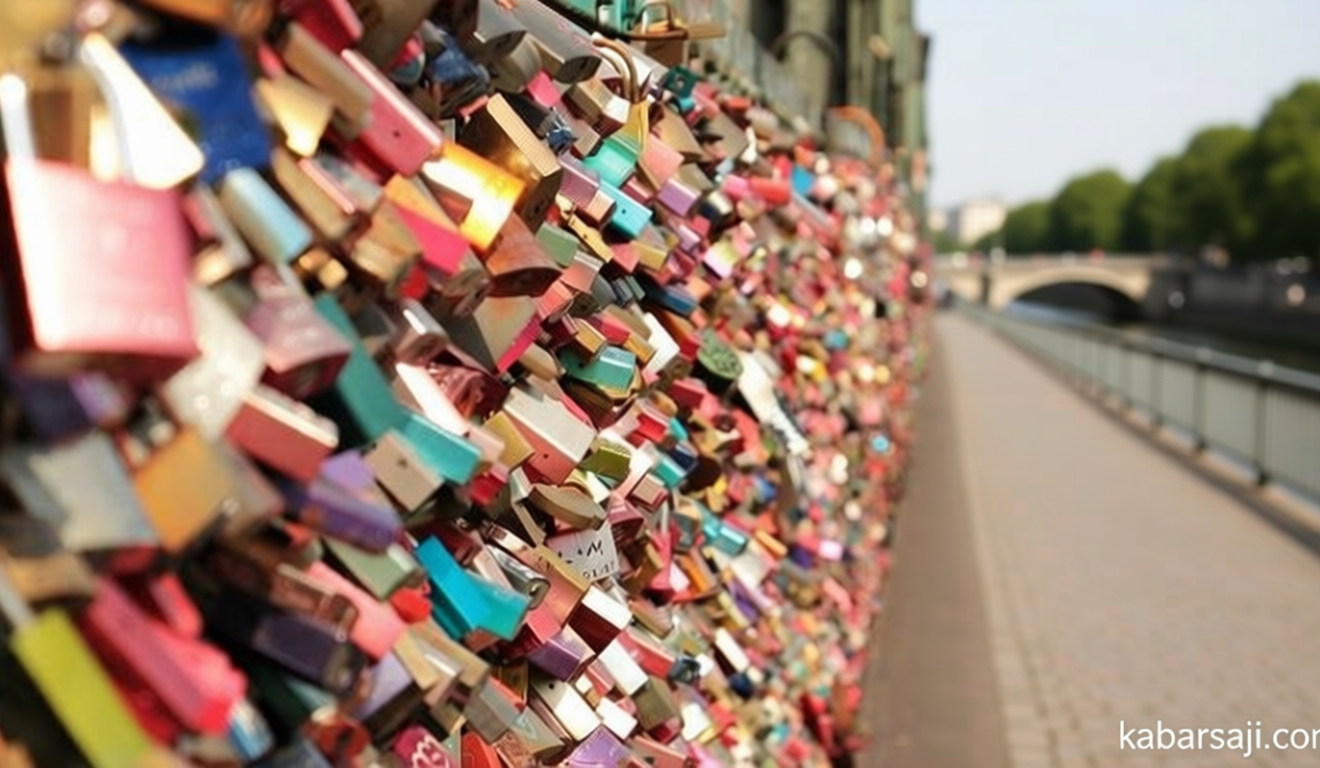
Jakarta to Build Love Lock Bridges – Jakarta’s capital city is set to introduce a unique and romantic addition to its urban landscape by constructing multiple “love lock” bridges over the Cideng River in South Jakarta. The initiative, led by Governor Pramono Anung, aims to breathe new life into the H.R. Rasuna Said Road, blending functionality with aesthetic appeal to create a space that caters to both locals and tourists. This project not only honors the global love lock trend that has captivated cities like Paris and Rome but also positions Jakarta as a modern hub for creative public engagement. With its blend of cultural symbolism and urban design, the new bridges are expected to become a symbol of the city’s evolving approach to community and tourism.
The Love Lock Concept and Its Cultural Significance
The love lock idea, which involves couples attaching locks to bridges as a symbol of their enduring relationship, has gained international popularity over the years. Jakarta’s plan to incorporate this trend into its infrastructure reflects a growing emphasis on integrating cultural elements into urban planning. Pramono Anung, the city’s governor, has stated that the bridges will serve as a canvas for artistic expression, allowing people to leave their mark in a meaningful way. By adopting this concept, Jakarta hopes to create a memorable experience for visitors while fostering a sense of shared ownership among residents.
“We are building several small bridges over the Cideng River as part of the revitalization of H.R. Rasuna Said Road,” Pramono said. “These will become a colorful destination where people can express their relationships through love locks.”
The project is designed to revitalize a key stretch of the city, transforming it into a space that combines practical improvements with emotional resonance. The love lock bridges are expected to be a focal point of the area, encouraging visitors to take photos and participate in the tradition. Pramono emphasized that the initiative is part of a broader strategy to enhance Jakarta’s public spaces and promote a sense of community. This approach aligns with the city’s efforts to modernize its infrastructure while preserving its cultural identity.
Project Details and Design Features
The H.R. Rasuna Said Road revitalization project includes several key improvements beyond the love lock bridges. A 3.8-kilometer stretch of the road will undergo extensive upgrades, such as widening sidewalks, removing 109 outdated monorail pillars, and reconfiguring traffic lanes to improve flow. These changes aim to make the area more accessible and visually appealing, with the love lock bridges serving as a highlight of the design. The project’s total investment is approximately Rp91 billion (around US$5.6 million), reflecting the city’s commitment to creating a sustainable and attractive urban environment.
“The revitalization project will ensure this road becomes a new landmark for Jakarta,” Pramono added. “It is now more organized and visually appealing, with special installations like orchids at one end of the corridor.”
The love lock bridges are specifically designed to complement the natural surroundings of the Cideng River. Their placement near the recently opened Integrity Bus Stop, which is adjacent to the headquarters of Indonesia’s Corruption Eradication Commission (KPK), adds a symbolic layer to the project. The KPK’s proximity to the site highlights the city’s dedication to transparency and civic pride, which the love lock tradition is meant to mirror. This intersection of public art and institutional values underscores the project’s multifaceted purpose.
Public Engagement and Community Impact
Jakarta to Build Love Lock Bridges is not just an aesthetic upgrade—it’s a community-driven initiative. Pramono Anung has encouraged locals and tourists to participate in the love lock tradition, which has become a popular activity in many cities worldwide. The bridges are intended to be a shared space where people can celebrate their relationships, creating a sense of unity and cultural connection. Public feedback has been positive, with many residents expressing excitement about the project’s potential to become a new icon of Jakarta.
By integrating the love lock concept into the urban fabric, the city is also addressing the need for engaging public spaces. The revitalized road will feature not only the bridges but also other installations, such as orchid gardens and improved pedestrian pathways. These additions are designed to attract visitors and encourage foot traffic, which can stimulate local businesses and enhance the area’s vibrancy. The project also includes plans for better lighting and safety measures, ensuring that the love lock bridges are both accessible and secure for all users.
Future of the Love Lock Tradition in Jakarta
As Jakarta to Build Love Lock Bridges becomes a reality, the city is positioning itself as a pioneer in blending traditional love symbols with contemporary urban design. The initiative is expected to draw attention from both national and international audiences, showcasing how public spaces can be transformed through creative and collaborative efforts. With the love lock trend gaining momentum, this project could inspire similar developments in other parts of Indonesia and beyond.
Moreover, the love lock bridges are likely to serve as a catalyst for further urban renewal in the area. The focus on revitalization, which includes modernizing infrastructure and enhancing green spaces, aligns with Jakarta’s long-term vision for sustainable growth. The success of this project could also influence future city planning, encouraging a more people-centric approach that prioritizes both practicality and emotional engagement. As the city moves forward, the love lock bridges may become a beloved part of Jakarta’s identity, symbolizing both its cultural heritage and its forward-thinking aspirations.