
Jakarta Ranks Third Among World’s Most Polluted Cities on Sunday
Jakarta Ranks Third Among World's Most Polluted Cities on Sunday Jakarta Ranks Third Among World s Most - On Sunday morning, Jakarta once again confirmed its
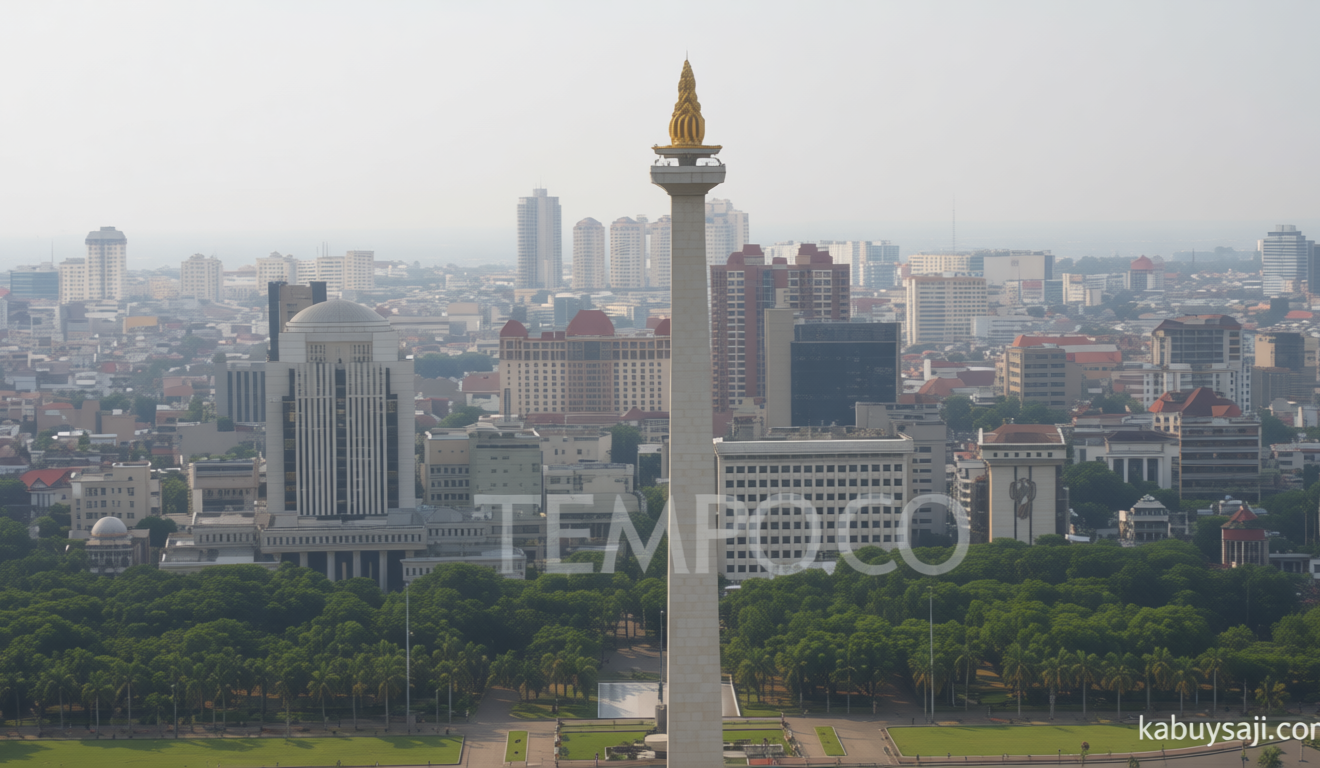
Jakarta Ranks Third Among World’s Most Polluted Cities on Sunday
Jakarta Ranks Third Among World s Most – On Sunday morning, Jakarta once again confirmed its status as one of the world’s most polluted cities, ranking third globally in air quality according to recent data. The city’s pollution levels reached an AQI of 168 at 5:57 AM WIB, categorizing the air as unhealthy and prompting public health warnings. This ranking highlights Jakarta’s ongoing struggle with environmental degradation, which has become a pressing issue for residents and policymakers alike. As the focus keyword “Jakarta ranks third among world’s most polluted cities” continues to resonate in global environmental discourse, the city’s position underscores the urgent need for targeted interventions to improve air quality.
According to IQAir’s air quality monitoring platform, Jakarta’s AQI of 168 falls within the ‘unhealthy’ range, driven primarily by PM2.5 particles at 80 micrograms per cubic meter. These fine particulates, often originating from vehicle emissions, industrial activity, and open burning, are known to penetrate deep into the lungs and exacerbate respiratory conditions. The data also indicates that Jakarta’s pollution levels are comparable to other major urban centers, further emphasizing the city’s role in the global air quality crisis. The ‘Jakarta ranks third among world’s most polluted cities’ designation serves as a critical reminder of the interconnected nature of environmental challenges across the globe.
Analysts point to Jakarta’s unique urban landscape as a key factor in its persistent pollution levels. With a population exceeding 10 million and dense traffic congestion, the city’s air quality is significantly impacted by vehicular emissions. Additionally, the lack of green spaces and the reliance on coal-fired power plants contribute to higher levels of particulate matter. The ‘Jakarta ranks third among world’s most polluted cities’ ranking also reflects seasonal variations, particularly during the dry season when pollution tends to accumulate more rapidly. This seasonal pattern has led to increased scrutiny of the city’s environmental management strategies, especially as climate change intensifies weather extremes.
Causes and Trends of Jakarta’s Pollution
Recent studies reveal that Jakarta’s pollution crisis is not solely the result of industrial activity but is also influenced by a combination of urban planning and lifestyle factors. The city’s rapid expansion has led to the encroachment of residential areas into previously open spaces, reducing natural air filtration. Moreover, the widespread use of motor vehicles, many of which operate without proper emission controls, has worsened the situation. The ‘Jakarta ranks third among world’s most polluted cities’ status is further amplified by the city’s geographic location, which traps pollutants in the lower atmosphere due to its coastal proximity and surrounding hills.
Researchers also highlight the role of waste management practices in Jakarta’s pollution levels. The improper disposal of plastic and organic waste, particularly during the dry season, leads to increased emissions from open burning. These sources, combined with construction dust and agricultural activities in nearby regions, create a complex web of environmental stressors. The AQI data, which places Jakarta third among world’s most polluted cities, is collected through a network of sensors that monitor real-time air quality across 1,600 cities worldwide. This comprehensive dataset allows for accurate comparisons and trends analysis, shedding light on Jakarta’s position in the global pollution rankings.
Health Impacts and Public Response
The health implications of Jakarta’s pollution are severe, especially for vulnerable populations such as children, the elderly, and individuals with asthma or other respiratory conditions. The ‘Jakarta ranks third among world’s most polluted cities’ ranking is not just a statistic but a call to action for healthcare providers and residents to adopt protective measures. Public health experts recommend reducing outdoor exposure during peak pollution hours, using air purifiers indoors, and wearing N95 masks when venturing outside. The government has also launched awareness campaigns, emphasizing the importance of personal health precautions in conjunction with broader environmental policies.
Residents have reported a noticeable decline in quality of life, with many citing respiratory issues and eye irritation as common symptoms. Social media platforms have amplified these concerns, with hashtags like #JakartaPollution and #AirQualityJakarta gaining traction. The data showing Jakarta ranks third among world’s most polluted cities has sparked debates about the effectiveness of current mitigation strategies and the need for long-term solutions. As the city’s pollution levels continue to rise, the pressure on authorities to implement sustainable practices grows stronger, both locally and internationally.
Environmental organizations have called for stricter regulations on vehicle emissions and industrial waste. They argue that the ‘Jakarta ranks third among world’s most polluted cities’ ranking should be a catalyst for immediate policy changes, such as the promotion of electric public transportation and the enforcement of cleaner fuel standards. The city’s position in the global pollution rankings also raises questions about the impact of urbanization on air quality, particularly in developing nations. While Jakarta’s challenges are significant, its experience offers valuable lessons for other cities facing similar environmental hurdles.