
Italy Heat Wave Kills 5 as 18 Cities on High Alert
Wave Kills 5 as 18 Cities on High Alert Italy Heat Wave Kills 5 as 18 - Italy's recent heatwave has claimed five lives, underscoring the severity of the
Italy Heat Wave Kills 5 as 18 Cities on High Alert
Italy Heat Wave Kills 5 as 18 – Italy’s recent heatwave has claimed five lives, underscoring the severity of the extreme weather conditions gripping the country. With 18 cities now under high alert, the situation has escalated, prompting authorities to implement stricter measures to protect residents. The crisis has drawn attention to the vulnerability of urban populations during prolonged periods of intense heat, particularly as temperatures soar beyond historical averages. This update comes after the previous day’s alert list included 17 cities, showing a growing geographic spread of the heatwave’s impact.
The Escalating Heatwave Crisis
The heatwave, which has been intensifying over the past week, has reached a critical stage, with temperatures in several regions surpassing 40°C (104°F). Health officials have warned that the extreme conditions are not just a temporary anomaly but a sign of increasingly frequent and severe weather events linked to climate change. The technical committee led by Health Minister Orazio Schillaci has been working tirelessly to refine emergency protocols, emphasizing the need for proactive measures to mitigate risks. Genoa’s addition to the red alert list highlights the severity of the situation, as the city joins a growing number of regions facing heightened threats.
“The heatwave has created life-threatening conditions, especially for the elderly and those with pre-existing health conditions,” stated Dr. Maria Rossi, a leading meteorologist. “Authorities must prioritize cooling centers, hydration campaigns, and public awareness to reduce casualties.”
The victims of the heatwave include individuals from diverse backgrounds, such as farmers in the northern regions of Lodi and Piacenza, a homeless person in Naples, and a man who collapsed near a cemetery in Pavia. These tragic outcomes reflect the widespread reach of the crisis, which has affected both rural and urban areas. Experts note that the combination of high temperatures and prolonged exposure without adequate shade or water access has exacerbated the situation. The health ministry has urged citizens to remain vigilant, with additional resources allocated to high-risk zones.
Impact on Daily Life and Infrastructure
As the heatwave continues, its effects are becoming increasingly evident across Italy’s cultural and public sectors. The Uffizi Gallery in Florence, a UNESCO World Heritage Site, temporarily closed its doors after a malfunction in its climate control system left the building sweltering. Similarly, Juliet’s House in Verona, a popular tourist destination, is set to suspend operations for a few days to address the strain caused by extreme temperatures and high visitor numbers. These closures highlight the challenge of maintaining essential services in the face of environmental stressors.
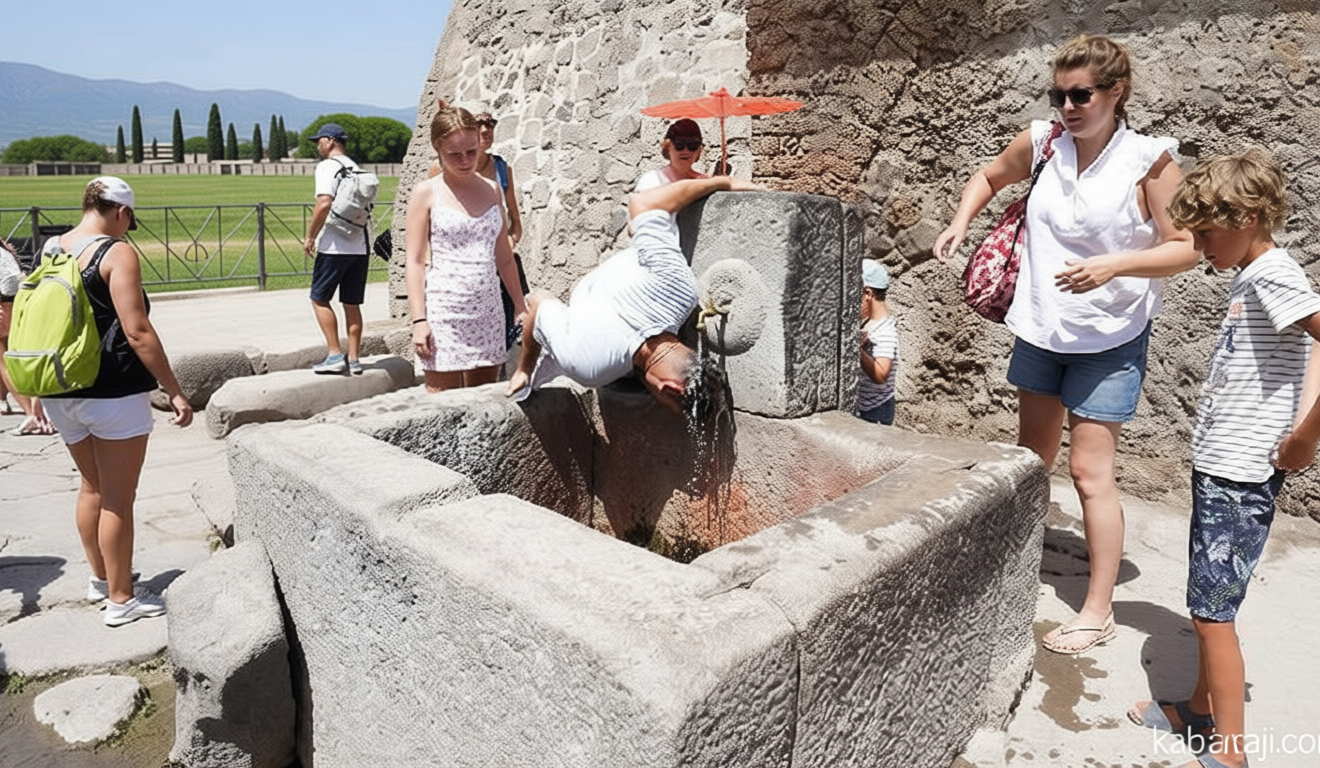
In Milan, the Duomo Cathedral’s fountains have become a refuge for tourists seeking respite from the sun. Locals and visitors alike have been seen using umbrellas and hand fans to combat the sweltering conditions. Meanwhile, court sessions in Palermo were canceled as indoor temperatures exceeded 35°C, forcing officials to consider alternative arrangements for public gatherings. The rise in emergency room visits in Lombardy, reported to be a 20% increase, further illustrates the toll on healthcare systems.
“This heatwave is a stark reminder of how climate change is reshaping our daily lives,” said Francesco Bianchi, an environmental analyst. “The frequency of such events is expected to grow, and Italy must invest in resilient infrastructure and community support programs.”
Looking ahead, meteorologists predict that temperatures will reach their peak over the weekend, with some regions potentially experiencing record-breaking highs. The Italian government has already launched a multi-agency response, coordinating efforts between health, emergency services, and local municipalities. Measures such as mobile cooling units, increased public transportation frequency, and water distribution points are being deployed to alleviate the burden on residents. As the heatwave persists, the focus remains on preventing further casualties and ensuring the continuity of essential services.
The broader implications of this heatwave extend beyond immediate health concerns. It has sparked discussions about the long-term effects of rising global temperatures on Italy’s economy and environment. Agriculture, tourism, and energy sectors are all feeling the strain, with crop yields declining and energy demand surging. Climate change experts warn that such extreme weather events will become more common, urging policymakers to integrate climate resilience into national strategies. For now, the country braces for the worst, with 18 cities on high alert and five lives lost in the ongoing crisis.