
Iran Strikes US Bases in Oman, Syria, and Jordan
Iran Strikes US Bases in Oman, Syria, and Jordan Iran Strikes US Bases in Oman - On July 17, Iran executed a series of coordinated strikes against US military
Iran Strikes US Bases in Oman, Syria, and Jordan
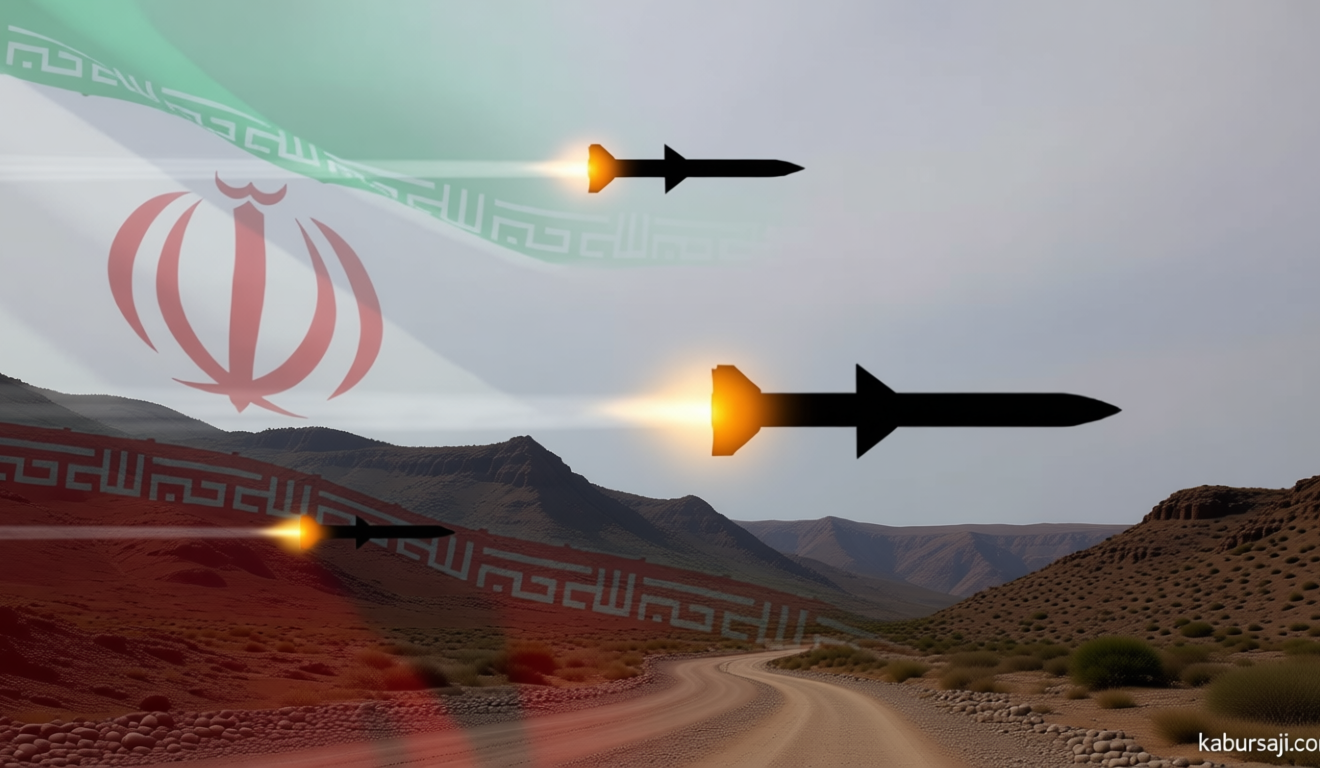
Iran Strikes US Bases in Oman – On July 17, Iran executed a series of coordinated strikes against US military installations in Oman, Syria, and Jordan, escalating regional tensions and drawing immediate international attention. The operation, titled Operation Nasr-2, saw the Islamic Revolutionary Guard Corps (IRGC) targeting a US surveillance radar in Oman, a move that underscores Iran’s growing assertiveness in countering American military presence in the Middle East. This attack, which occurred in the early hours of the morning, marks a significant step in Iran’s strategy to challenge US dominance in the area, particularly in response to ongoing US airstrikes and military actions targeting Iranian interests.
The Omani Strike: A Strategic Move
The primary focus of Iran’s Operation Nasr-2 was the destruction of a US radar system located in the Salamah region of Oman, a critical location for monitoring maritime traffic in the Arabian Sea. According to the IRGC, the attack was part of a broader retaliation for a US airstrike that had targeted Iranian assets in southeastern Iran earlier in the month. The operation involved naval units and precision-guided missiles, demonstrating Iran’s capability to conduct long-range strikes with minimal warning. Analysts suggest that the choice of Oman as a target highlights the country’s strategic importance in the US’s regional military posture, as it serves as a logistical hub for operations in the Gulf and beyond.
“The attack on the Omani radar system is a clear message to the United States that Iran will not remain passive in the face of continued aggression,” said a statement from the IRGC, emphasizing the operation’s symbolic and military significance. The strike reportedly damaged key infrastructure and disrupted surveillance capabilities, potentially affecting US intelligence operations in the region.
Expanding the Conflict: Syria and Jordan
Following the successful strike in Oman, Iran’s forces intensified their operations by launching a surprise attack on a US special operations command center in At Tanf, Syria. The assault targeted a facility critical for US military coordination in the eastern part of the country, resulting in the destruction of several helicopters and the loss of multiple personnel. In Jordan, Iran deployed a combination of ballistic missiles and drones to strike US refueling aircraft and fighter jets, further complicating the US’s military logistics in the region. These strikes in Syria and Jordan, while less extensive than the Omani attack, signal Iran’s determination to weaken US footholds across multiple fronts and demonstrate its ability to project power beyond its borders.
The attacks on US bases in Oman, Syria, and Jordan are part of a larger pattern of military engagement between Iran and the United States, which has intensified since the US’s decision to withdraw from the 2015 Iran nuclear deal in 2018. The IRGC has repeatedly accused the US of destabilizing the region through its military interventions, including airstrikes in Iraq and Syria and the deployment of troops to the Persian Gulf. In response, Iran has escalated its own military campaigns, targeting US assets in key locations to assert its influence and challenge American strategic objectives.
Readers may also be interested in how these strikes fit into Iran’s broader military strategy, which includes both kinetic attacks and cyber operations aimed at disrupting US military capabilities. The Omani strike, in particular, has drawn comparisons to previous attacks on US bases in Iraq and Afghanistan, highlighting Iran’s role as a regional power seeking to counterbalance US military dominance. Experts warn that such actions could lead to a more prolonged conflict, with potential ripple effects on alliances like the US-led coalition in Syria and the Jordanian-US defense partnership.
Despite a recent agreement signed in mid-June to ease hostilities, the US has continued its military actions against Iran since July 8, including attacks on Iranian vessels in the Strait of Hormuz. The IRGC has framed its retaliation as a necessary response to these provocations, emphasizing the importance of defending its national interests. The combined strikes on US bases in Oman, Syria, and Jordan have raised concerns about the possibility of a wider regional conflict, with neighboring countries now closely monitoring the situation and adjusting their military postures accordingly.