Iran Says MoU ‘Suspended’ After U.S. Strikes Kill 50 in July
wing U.S. Airstrikes Iran Says MoU Suspended After U S - Iran has declared the suspension of its memorandum of understanding (MoU) with the United States, a
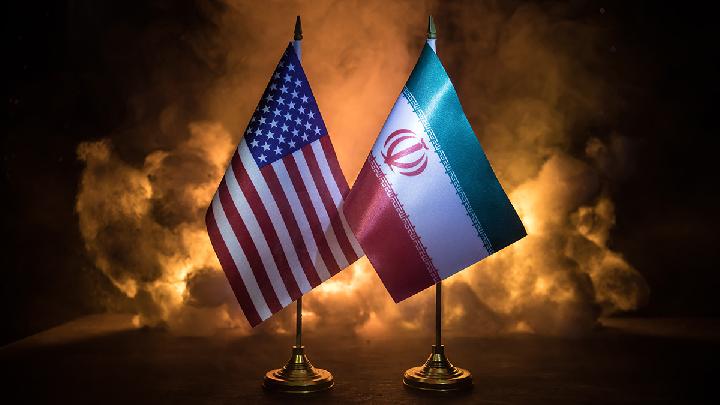
Iran Announces MoU Suspension Following U.S. Airstrikes
Iran Says MoU Suspended After U S – Iran has declared the suspension of its memorandum of understanding (MoU) with the United States, a move directly linked to the devastating U.S. strikes that occurred in mid-July, resulting in the deaths of at least 50 individuals and over 500 injuries. The attacks, which were conducted by U.S. Central Command (CENTCOM), targeted multiple locations across Iran, including military and strategic sites, with the Health Ministry releasing casualty figures just hours after the seventh consecutive night of bombardment. The decision to suspend the MoU comes as Iran seeks to assert its authority in response to the perceived aggression, marking a significant shift in the diplomatic landscape between the two nations.
Humanitarian and Strategic Damage
The U.S. airstrikes have not only caused immediate casualties but also inflicted long-term damage on Iran’s infrastructure, particularly affecting civilian facilities. Reports indicate that desalination plants in the southern regions were among the targets, leading to a disruption in water supply for approximately 10,000 residents. This has exacerbated the existing humanitarian challenges in the area, with families forced to ration water and access to basic services becoming increasingly limited. Beyond the physical destruction, the strikes have raised concerns about the broader implications for regional stability and Iran’s ability to maintain its economic and military operations.
Iran’s Accusations and Diplomatic Response
Iranian Deputy Foreign Minister Kazem Gharibabadi has accused the United States of violating the terms of the Islamabad MoU, which was signed by both nations to promote cooperation in the Strait of Hormuz. “The U.S. has violated and suspended all its obligations within the framework of the Islamabad MoU,” Gharibabadi stated on July 18, as reported by the semi-official Fars News Agency. This suspension of commitments, according to Iran, has undermined the agreement’s core objectives of ensuring safe passage for commercial vessels through the vital waterway. The Iranian Foreign Ministry spokesperson, Esmaeil Baghaei, echoed these sentiments, emphasizing that the U.S. had breached every provision of the pact and that Iran now prioritizes self-defense in the face of escalating tensions.
“The U.S. has violated and suspended all its obligations within the framework of the Islamabad MoU,” said Gharibabadi, according to the semi-official Fars News Agency.
As the conflict intensifies, Iran has shifted its focus from diplomatic engagement to reinforcing its military posture. Gharibabadi, who was part of the negotiations that led to the MoU, highlighted that the attacks have forced Tehran to recalibrate its strategy, now centering on protecting its borders and critical infrastructure. The suspension of the MoU has also signaled a breakdown in trust, with both nations moving away from dialogue and toward escalating confrontations.
Regional Retaliation and Escalation
The U.S. strikes have prompted swift retaliation from Iran, with missile and drone attacks targeting several Gulf allies of the United States. In Kuwait, two desalination facilities were reportedly struck, leading to temporary closures and affecting the region’s energy production. Air raid sirens were heard in Bahrain, and Jordanian authorities claimed to have intercepted 10 Iranian ballistic missiles. These actions have further strained relations between Iran and its regional neighbors, raising fears of a wider conflict that could involve multiple countries in the Middle East.
On July 19, the U.S. escalated its operations by launching additional strikes in Hormozgan province, targeting the Sirik and Hajiabad regions. CENTCOM confirmed the attacks were authorized by President Donald Trump, who aimed to “reduce Iran’s ability to threaten commercial shipping in the Strait of Hormuz” and “punish Iranian Revolutionary Guard forces who attacked U.S. military personnel in Jordan.” These strikes have not only intensified the military standoff but also highlighted the strategic importance of the Strait of Hormuz as a key artery for global trade and energy security.
Broader Implications for International Relations
The suspension of the MoU underscores a deepening rift between Iran and the United States, with both sides moving toward a more adversarial relationship. The initial agreement, signed in mid-June, had been seen as a potential turning point in the ongoing conflict, offering a framework for cooperation in the region. However, the U.S. attacks have effectively ended this diplomatic effort, leaving Iran to reassess its position and focus on defensive measures. This shift has significant implications for the future of U.S.-Iran relations, as well as the broader geopolitical dynamics in the Middle East.
Experts warn that the breakdown of the MoU could lead to a more prolonged and intense conflict, with both nations engaging in continuous military actions. The ongoing strikes and retaliations have already disrupted critical trade routes, affecting oil exports and raising concerns about the potential for economic sanctions to be reimposed. As the situation continues to evolve, the suspension of the MoU serves as a clear indication of Iran’s resolve to defend its interests, even at the cost of further regional instability.