Iran After Khamenei: A New Order Takes Shape
Iran's Political Landscape Shifts Amid Khamenei's Passing Iran After Khamenei - As the world watches, Iran After Khamenei enters a new chapter, with the death
Iran’s Political Landscape Shifts Amid Khamenei’s Passing
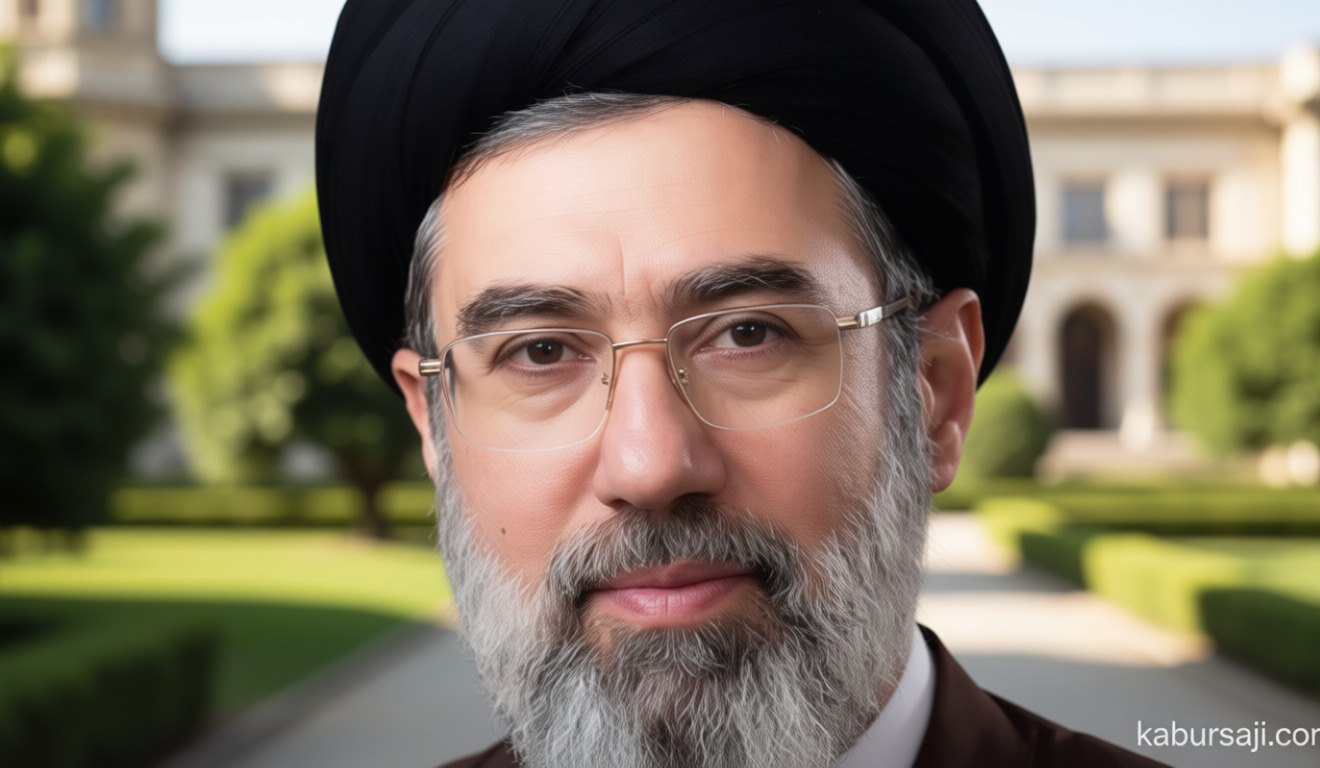
Iran After Khamenei – As the world watches, Iran After Khamenei enters a new chapter, with the death of Supreme Leader Ayatollah Ali Khamenei marking a critical turning point in the country’s governance. Iranians gathered in Mashhad, his birthplace in northeastern Iran, to mourn the late leader, whose tenure shaped the nation’s political and religious frameworks. The funeral rites not only symbolized national unity but also signaled the beginning of a power transition, as Mojtaba Khamenei, his son, steps into the role of the third supreme leader since the 1979 Revolution. This shift has sparked speculation about how the new order will navigate the complexities of Iran’s domestic and foreign policies.
The absence of Mojtaba Khamenei from the official mourning ceremonies contrasts sharply with the visibility of his predecessors, highlighting a subtle yet significant evolution in the political hierarchy. Analysts suggest that this lack of public engagement may reflect a broader strategy to consolidate power within a new, more centralized structure. The Islamic Republic, which has long been defined by the authority of the Supreme Leader, is now poised to redefine its institutional foundations under Mojtaba’s leadership. This transition, however, is not without challenges, as the balance of influence among key factions within the regime remains a critical factor.
Leadership Transition and Institutional Evolution
The ascension of Mojtaba Khamenei represents more than a familial succession; it marks a deliberate realignment of Iran’s power dynamics. Political commentator Reza Talebi points out that the change reflects decades of structural reforms initiated by Ali Khamenei, who restructured the Islamic Republic’s governance model to prioritize institutional stability over personal charisma. Unlike his predecessor Ayatollah Ruhollah Khomeini, who relied heavily on revolutionary fervor and direct authority, Ali Khamenei cultivated a system where senior clerics and Shiite seminaries had a diminished role, while security institutions like the Revolutionary Guards and the Office of the Supreme Leader gained prominence.
“Ali Khamenei methodically restructured the Islamic Republic’s power framework, unlike his predecessor Ayatollah Ruhollah Khomeini, who relied on revolutionary legitimacy and personal authority,” Talebi explained to DW. “The new order under Mojtaba is built on a foundation of technical governance, where strategic coordination and bureaucratic efficiency take precedence over ideological activism.”
This shift has led to a more compartmentalized system, where the Supreme Leader’s influence is mediated through a network of loyalists and institutional mechanisms. Mojtaba’s leadership, while still steeped in religious authority, is expected to emphasize pragmatic decision-making, particularly in foreign affairs. The current regime’s emphasis on control over the Strait of Hormuz, for instance, underscores the growing role of security apparatuses in shaping Iran’s geopolitical strategy.
Presidential Influence and Strategic Boundaries
The transition of power has also redefined the relationship between the Supreme Leader and Iran’s elected officials. President Masoud Pezeshkian, who has maintained close ties with Mojtaba, is now positioned as a key figure in implementing the new administration’s agenda. However, his influence is constrained by the rigid hierarchy that places the Supreme Leader at the center of all major decisions. Former presidents, including Hassan Rouhani and Mahmoud Ahmadinejad, have seen their roles diminished, with their policies increasingly subordinate to the new leadership’s priorities.
During the state mourning period, official narratives highlighted figures from the security establishment, particularly the Islamic Revolutionary Guard Corps (IRGC). This emphasis on the military and intelligence branches signals a realignment of power, where strategic control over Iran’s borders and maritime routes becomes central to the new order. The IRGC’s role in negotiating the ceasefire of the Iran war, which ended on February 28, further illustrates its growing influence. Mojtaba Khamenei’s endorsement of the truce reflects a broader strategy to integrate military and diplomatic efforts under a unified framework.
Additionally, the new regime is likely to prioritize internal cohesion over external engagement. By sidelining former leaders and emphasizing the role of the security apparatus, Mojtaba’s government aims to minimize dissent and streamline decision-making. This approach could lead to a more centralized governance model, where the Supreme Leader’s authority is reinforced through institutional loyalty and operational efficiency. The implications of this shift are far-reaching, affecting both Iran’s domestic policies and its interactions with global powers.
Geopolitical Implications and International Relations
The new leadership’s focus on security and strategic control has immediate implications for Iran’s international relations. The Memorandum of Understanding (MoU) signed on June 14, 2026, between the US and Iran after Khamenei’s passing, was seen as a tentative step toward broader negotiations. However, the US’s hesitation, particularly under President Donald Trump, introduced uncertainty. Trump’s public doubts about the future of talks highlighted the fragility of the truce and the potential for renewed tensions in the Strait of Hormuz, a vital maritime corridor for global trade.
“Iran interprets Article 5 of the MoU as granting it sole authority to determine conditions for reopening the Strait of Hormuz,” noted Hamidreza Azizi, an expert in Iranian foreign and security policy, on X. “This underscores the country’s determination to maintain control over its strategic interests, even as it engages with international partners.”
With the new regime in place, Iran is likely to leverage its geopolitical leverage to assert dominance in regional conflicts. The control of the Strait of Hormuz, a strategic waterway, is viewed as essential to maintaining economic and military influence. The Islamic Republic’s insistence on this authority suggests a calculated approach to international negotiations, where Iran aims to balance diplomacy with a readiness to assert its position through military means.
Domestic Policies and Social Dynamics
Internally, the shift to Mojtaba Khamenei’s leadership may lead to a recalibration of domestic policies. The new order is expected to prioritize economic stability and social cohesion,