
Indonesia’s Geography Boosts Its International Leverage
al Leverage Indonesia s Geography Boosts Its International - Indonesia's strategic geography has emerged as a pivotal asset, enhancing its international
Indonesia’s Geography Boosts Its International Leverage
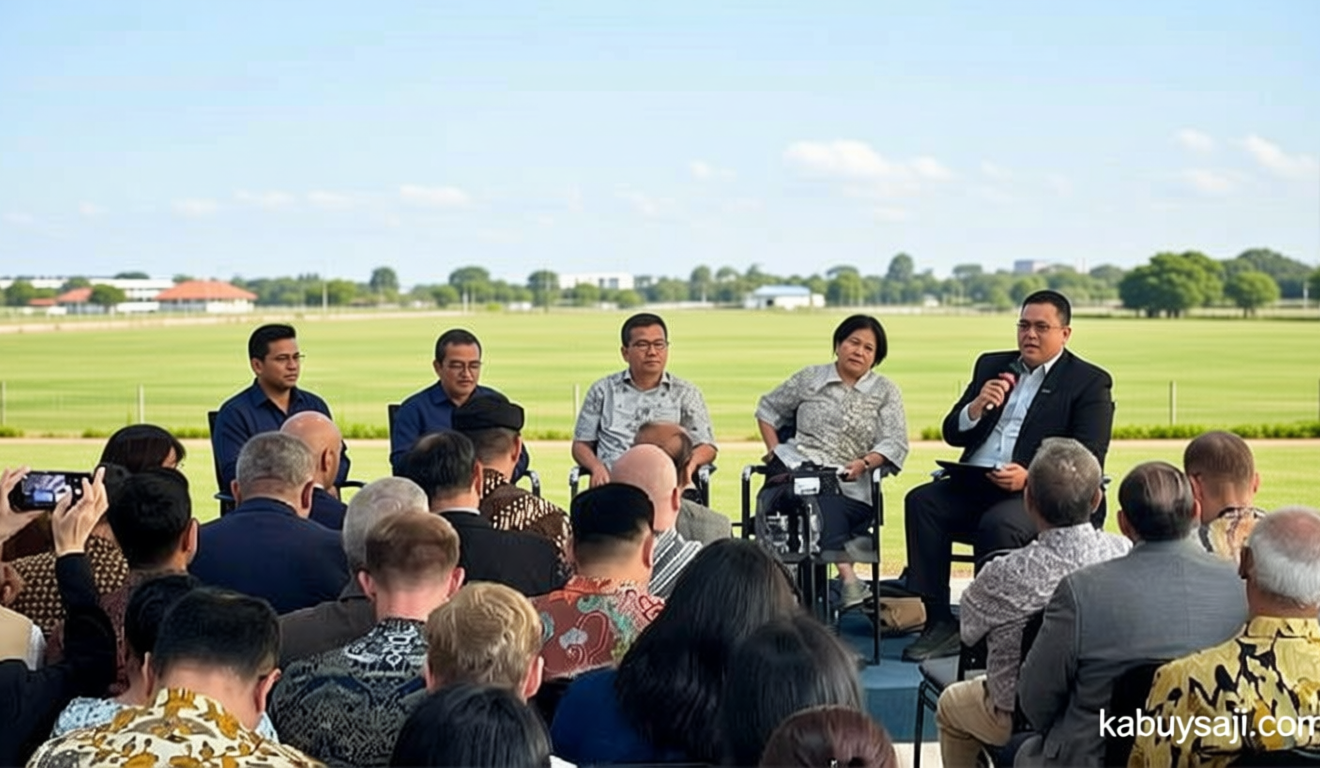
Indonesia s Geography Boosts Its International – Indonesia’s strategic geography has emerged as a pivotal asset, enhancing its international leverage in a rapidly evolving global landscape. At the Foreign Policy Community of Indonesia (FPCI) Secretariat in Jakarta, Dewi Fortuna Anwar, a researcher at the National Research and Innovation Agency (BRIN) and co-founder of FPCI, outlined how Indonesia’s geographic position and natural resources provide a unique foundation for influencing political and economic outcomes. During a session titled “Mid-Year Geopolitical and Economic Outlook 2026,” she argued that these factors position the nation to navigate complex international relations with greater autonomy. The discussion also emphasized the need for Indonesia to refine its use of these advantages to maintain long-term stability and growth.
Geopolitical Advantage and Strategic Flexibility
Indonesia’s geographic advantage is not merely a matter of location but a dynamic tool that allows it to influence global dynamics. Anwar drew comparisons between Indonesia and Iran, highlighting how the latter’s control of the Strait of Hormuz grants it significant sway in international affairs. She noted that modern geopolitical conflicts often hinge on a country’s ability to leverage its natural resources and geographic position. For Indonesia, its archipelagic structure and proximity to major trade routes create opportunities to act as a bridge between continents, a role that can be strategically harnessed.
“These geographic and resource advantages can serve as powerful tools for political and economic pressure,” Anwar said, emphasizing the importance of recognizing Indonesia’s potential in global negotiations. Her remarks underscored the idea that a country’s position on the world map can determine its ability to shape international agendas.
While Indonesia has traditionally maintained a neutral stance, Anwar pointed out that this neutrality can now be redefined as a strategic asset. She argued that the nation’s location allows it to mediate between East and West, giving it the flexibility to align with different powers based on its interests. This strategic adaptability, she said, is crucial in an era where geopolitical tensions often spill over into economic decisions and diplomatic relations.
Energy as a Key Leverage Tool
Energy resources represent a critical lever in Indonesia’s international strategy. Anwar highlighted how the nation’s oil and gas reserves, combined with its geographic access to key maritime corridors, enable it to play a pivotal role in global energy markets. She noted that energy exports can be used to strengthen alliances and secure favorable trade terms, but also warned against overreliance on a single supplier, which could expose Indonesia to political and economic risks.
“A country’s energy security is directly tied to its geopolitical stability,” she explained, stressing the need for Indonesia to diversify its energy partnerships. The U.S. shift from its energy transition agenda has, in recent years, highlighted the importance of maintaining multiple sources of energy supply, a lesson Indonesia should apply to its own strategies.”
With growing global demand for energy and increasing competition among producers, Indonesia’s position as a major oil and gas exporter places it in a strong bargaining position. Anwar suggested that the nation could use this leverage to secure investments, influence pricing, and even shape regional policies. However, she urged caution, emphasizing that the long-term benefits of energy diplomacy depend on balanced strategies that avoid overextension or dependency on any one market.
Global Cooperation and Risk Diversification
Indonesia’s role in international cooperation is another dimension of its leverage. Anwar argued that countries engaged in multilateral trade and collaboration tend to progress faster than those isolated by geopolitical or economic challenges. This is particularly relevant for Indonesia, which has historically balanced its relationships with both Western and Asian powers. She pointed out that the current global climate, marked by pandemics, natural disasters, and conflicts, has made diversification of trade and energy partnerships more essential than ever.
“Diversifying international partnerships is no longer optional; it’s a necessity for resilience,” Anwar stated, referencing how Indonesia’s geographic position allows it to engage with multiple regions simultaneously. This flexibility, she said, can be a significant advantage in navigating the complexities of the modern world.”
The event, which brought together BRIN researcher Dewi Fortuna Anwar, FPCI founder Djayadi Hanan, and a senior economist from the Institute for Development of Economics and Finance (INDEF), focused on analyzing Indonesia’s strategic decisions in the context of global trends. Participants discussed how the nation’s ability to act as a bridge between regions can be further strengthened through targeted investments in infrastructure and diplomacy. This, they agreed, would ensure Indonesia remains a key player in international affairs.
Strategic Position in Regional and Global Trade
Indonesia’s geographic position grants it access to some of the world’s most critical trade routes, including the Strait of Malacca and the Sunda Strait. These waterways are vital for global shipping, with over 80% of the world’s maritime trade passing through the Malacca Strait. Anwar noted that this control over transit routes allows Indonesia to influence the flow of goods, services, and resources, thereby strengthening its economic and political influence. The country’s strategic location also makes it a key player in regional trade agreements, such as the Regional Comprehensive Economic Partnership (RCEP), which it helped negotiate.
“Indonesia’s geographic position in the Indo-Pacific region is not just a geographical fact—it’s a strategic advantage that can be used to enhance its international leverage,” she said. By positioning itself as a hub for trade and investment, the nation can attract a wide range of partners, from Southeast Asian neighbors to global powers. This, she argued, is essential for maintaining economic stability and political influence in an increasingly fragmented world.”
The discussion also touched on the importance of infrastructure development in maximizing Indonesia’s geographic advantages. Anwar suggested that investments in ports, shipping lanes, and logistics networks could further solidify the nation’s role as a gateway between Asia and the rest of the world. Such developments would not only boost trade but also create opportunities for Indonesia to influence regional economic policies and global supply chains.
Conclusion: Balancing Leverage and Diplomacy
As the global landscape continues to shift, Indonesia’s ability to leverage its geography and resources will remain central to its international strategy. Anwar emphasized that while the nation has the potential to act as a key mediator and economic player, its success depends on how effectively it balances its strategic advantages with diplomatic finesse. She called for a more proactive approach in using these assets, not just as tools for pressure but as platforms for cooperation and mutual benefit.
“Indonesia must use its geography not just to assert power, but to foster stability and shared prosperity,” she concluded. The nation’s strategic position offers a unique opportunity to shape global dynamics, but it requires careful planning and long-term vision to realize its full potential.”