
Indonesia’s Forex Reserves Rise to US$145.6 Billion in June
Indonesia s Forex Reserves Rise to US$145.6 billion in June 2026, marking a significant milestone for the archipelago nation's economic stability. Bank
Indonesia s Forex Reserves Rise to Record Levels Amid Strong Capital Inflows
Kabarsaji.com – Indonesia s Forex Reserves Rise to US$145.6 billion in June 2026, marking a significant milestone for the archipelago nation’s economic stability. Bank Indonesia officially reported this upward trajectory, showing growth from the US$144.9 billion position recorded in May. This accumulation of foreign exchange assets provides crucial buffer against external economic shocks while simultaneously supporting the rupiah’s exchange rate stability in volatile global markets.
Meeting International Reserve Adequacy Benchmarks
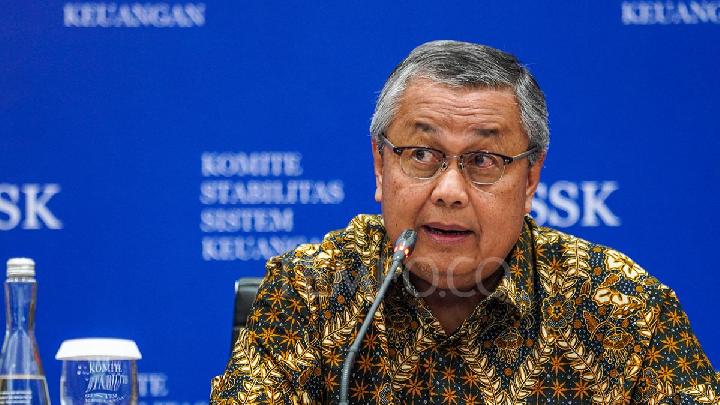
Bank Indonesia Governor Perry Warjiyo delivered comprehensive details during a Wednesday press conference held on July 22, 2026. According to the central bank chief, Indonesia’s current reserve level provides adequate coverage for 5.4 months of both import obligations and government external debt service payments. This measurement substantially exceeds the international standard benchmark of approximately three months of import coverage, demonstrating the country’s robust external position.
The governor further emphasized that Indonesia’s current account deficit projections for 2026 remain within comfortable boundaries. Officials expect the shortfall to range between 0.5 percent and 1.3 percent of gross domestic product, indicating sustainable external financing conditions without requiring excessive reserve depletion.
Foreign Investment Surge Fuels Reserve Growth
A primary driver behind Indonesia s Forex Reserves Rise has been substantial foreign capital entering domestic markets during the first half of 2026. Total foreign investment reached US$8.5 billion across the January through June period, with international investors showing strong preference for Indonesian government bonds and Bank Indonesia’s rupiah-denominated securities called SRBI.
Perry Warjiyo highlighted that net capital inflows into government bonds alone totaled approximately US$100 million through July 20. This sustained interest reflects growing confidence in Indonesia’s economic fundamentals and monetary policy framework among global institutional investors seeking emerging market exposure.
Nonresident Investors Expand SRBI Holdings
Foreign portfolio investors significantly increased their positions in SRBI securities during recent weeks. Holdings grew from Rp238.1 trillion in mid-June to Rp288.7 trillion by July 20, representing a notable expansion in foreign ownership of these instruments.
This accumulation now accounts for 27.1 percent of all outstanding SRBI securities currently circulating in the market. The growing foreign participation demonstrates successful central bank efforts to attract international capital through attractive yield structures and favorable hedging arrangements.
Central Bank Actions Support Rupiah Stability
Bank Indonesia continues close coordination with government authorities to maintain rupiah stability despite ongoing global market fluctuations. By July 21, the Indonesian currency was trading near Rp17,885 per U.S. dollar, showing remarkable stability from the Rp17,880 level recorded at the end of June.
The central bank has actively participated in both domestic and international foreign exchange markets through spot transactions and Domestic Non-Deliverable Forward arrangements to prevent excessive currency volatility.
Additionally, Bank Indonesia has modified SRBI yield structures specifically designed to encourage greater foreign portfolio investment and strengthen rupiah resilience against external pressures. The central bank also implemented a strategic 10 percent decrease in hedging swap rates to make Indonesian financial products more appealing to overseas investors seeking stable returns.
Furthermore, Bank Indonesia is expanding its foreign exchange operations involving the offshore Chinese yuan against the rupiah. These transactions utilize both spot and swap instruments, reflecting the increasing adoption of local currency settlements across bilateral trade and investment activities between Indonesia and its Asian trading partners.