
Indonesia’s Barantin, FAO Partner to Boost Animal Quarantine
Indonesia's Barantin, FAO Partner to Boost Animal Quarantine Indonesia s Barantin FAO Partner to Boost - Indonesia’s national animal quarantine authority
Indonesia’s Barantin, FAO Partner to Boost Animal Quarantine
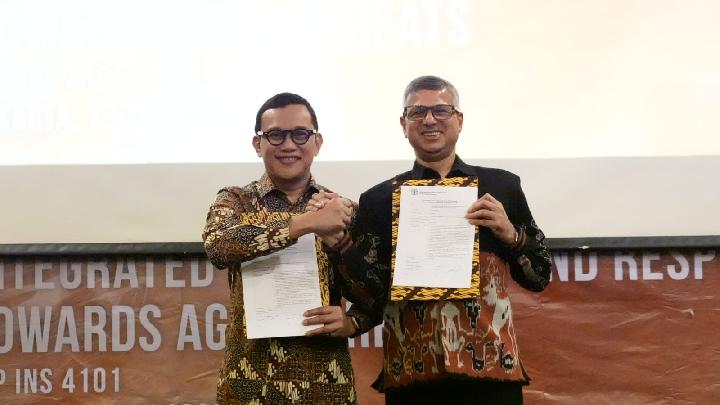
Indonesia s Barantin FAO Partner to Boost – Indonesia’s national animal quarantine authority, Barantin, has entered a strategic partnership with the Food and Agriculture Organization of the United Nations (FAO) to enhance the country’s biosecurity infrastructure. This collaboration, which includes a $200,000 investment, aims to modernize Indonesia’s approach to animal quarantine, ensuring it keeps pace with the rapid expansion of global trade and the increasing risks of disease transmission. The initiative underscores the shared commitment to protecting both agricultural productivity and public health through improved risk assessment and response mechanisms.
Collaboration Overview and Objectives
The partnership between Barantin and FAO is designed to address critical gaps in Indonesia’s current animal quarantine framework. With the rise of international livestock trade, the need for a more robust system has become urgent. The primary objective of this collaboration is to strengthen Indonesia’s ability to detect, monitor, and mitigate threats such as zoonotic diseases, invasive species, and other agricultural pests. By integrating advanced technologies and scientific methodologies, the project seeks to create a more efficient and data-driven approach to safeguarding Indonesia’s livestock and food supply.
A significant focus of the program is on developing a unified risk management framework. This will involve mapping the pathways through which diseases and pests enter the country, improving data collection, and streamlining inter-agency coordination. Such measures are expected to enhance the early warning capabilities of quarantine officials and reduce the likelihood of outbreaks disrupting local economies or threatening human health. The initiative also emphasizes the importance of aligning with international standards to facilitate smoother trade relations.
Challenges in the Current System
Indonesia’s existing animal quarantine system faces several challenges that hinder its effectiveness. These include fragmented data systems, inconsistent protocols across regions, and limited resources for monitoring and response. The lack of standardized risk evaluation processes has made it difficult to track the spread of diseases like foot-and-mouth disease or avian influenza, which can have severe economic and public health consequences. Additionally, the country’s reliance on traditional methods has left it vulnerable to emerging threats, such as climate change-induced outbreaks or cross-border animal disease spread.
The new program aims to tackle these issues by introducing a more integrated and science-based approach. It will establish a centralized digital platform for real-time data sharing, enabling authorities to respond swiftly to potential risks. Furthermore, the collaboration will support the development of predictive models to anticipate disease outbreaks, ensuring proactive measures are taken before they escalate. This shift from reactive to preventive strategies is expected to significantly reduce the financial and logistical burdens associated with managing agricultural crises.
Implementation and Expected Impact
The project, titled “Strengthening animal quarantine risk management through integrated assessment and response towards agri-threats,” will be implemented over a three-year period from 2026 to 2028. Key interventions include training programs for quarantine officers, the creation of a unified digital monitoring system, and the launch of community education campaigns to raise awareness about biosecurity practices. These efforts will not only improve the technical capabilities of the quarantine system but also foster public participation in its success.
By addressing these challenges, the partnership is expected to yield tangible benefits for Indonesia’s agricultural sector. Enhanced biosecurity measures will protect livestock populations, ensuring the stability of food production and reducing the risk of economic losses. Moreover, the program’s emphasis on One Health principles—linking animal, human, and environmental health—highlights its broader impact on public health and ecological sustainability. The collaboration will serve as a model for other countries facing similar challenges in managing agricultural threats.