
Indonesian Police Probe Rp5 Trillion Coal Corruption Case Linked to Blackouts
Indonesian Police Investigate Rp5 Trillion Coal Corruption Case Linked to Blackouts Indonesian Police Probe Rp5 Trillion Coal - Indonesian authorities
Indonesian Police Investigate Rp5 Trillion Coal Corruption Case Linked to Blackouts
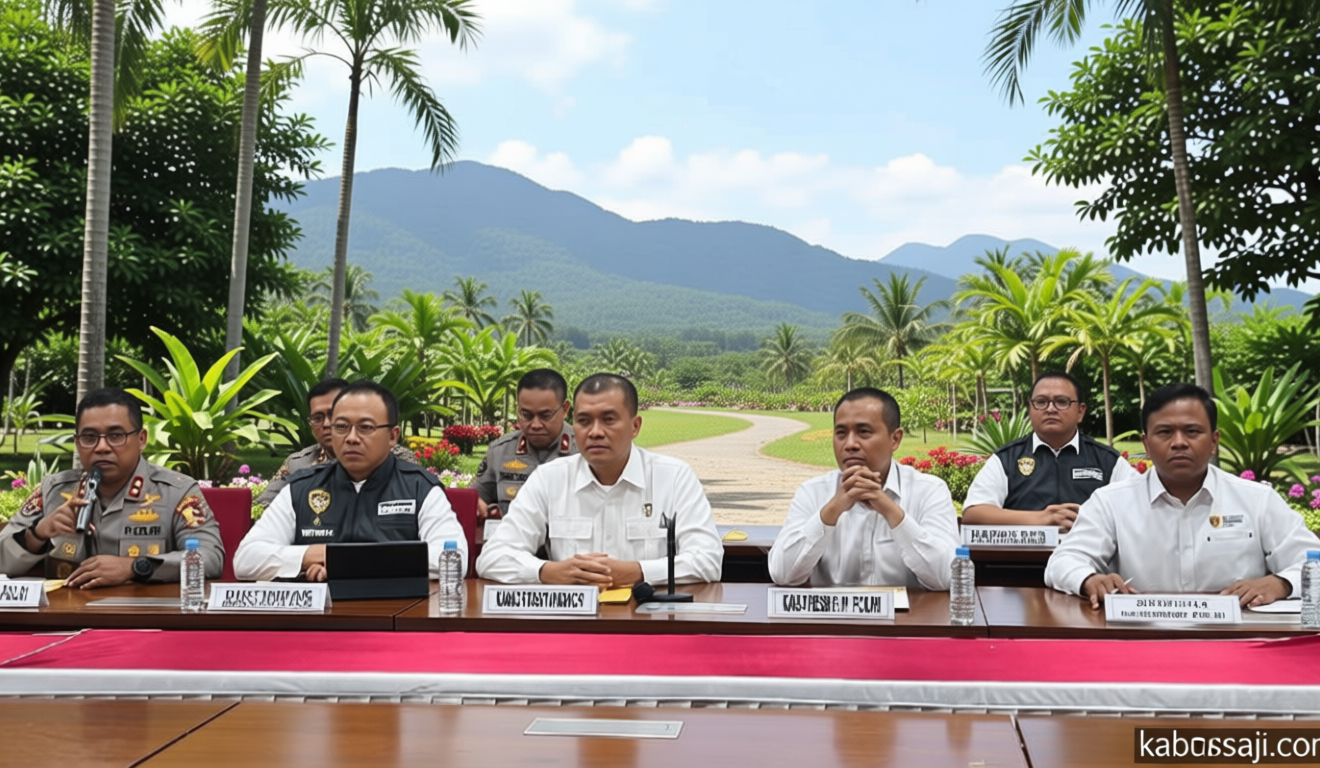
Indonesian Police Probe Rp5 Trillion Coal – Indonesian authorities, including the Corruption Eradication Task Force (Kortastipidkor) under the National Police (Polri), are investigating a major corruption case involving coal supply contracts for power plants. The probe, centered on a suspected Rp5 trillion financial mismanagement scandal, has uncovered potential links between the misconduct and widespread energy outages across key regions. The investigation began in late 2025, following reports of irregularities in procurement processes that disrupted coal distribution and caused prolonged blackouts.
Investigation Unravels Financial and Economic Impacts
Brigadier General Robertus Yohanes De Deo, head of Kortastipidkor Polri’s enforcement division, emphasized the gravity of the case. “The actions in question, along with economic losses tied to power outages, indicate total state financial and/or national economic losses of around Rp5 trillion,” he stated. The corruption is believed to have affected coal supply chains for major power plants, leading to instability in energy distribution and significant economic repercussions. The investigation is examining how these fraudulent practices may have contributed to blackouts in regions such as Sumatra, Kalimantan, and parts of Java.
“We are focused on uncovering how these missteps in coal procurement have impacted energy security and national resources,” said Robertus. “The probe is not only about financial losses but also about restoring public trust in the energy sector.”
Key Deviations in Coal Supply Contracts
The investigation has identified three primary deviations in coal procurement procedures. These include inflated prices for coal supplies, falsified records of coal quality, and discrepancies in the quantities delivered. The allegations point to potential collusion between government officials and private entities to manipulate contracts, ensuring that certain companies received preferential treatment. PT OBP and PT BRA are among the key players under scrutiny for their roles in the alleged scheme. The irregularities reportedly led to inefficiencies in power generation, exacerbating the blackout crisis.
Legal Framework and Evidence Gathering
Law enforcement officials are utilizing a range of legal provisions to build the case, including Article 2(1) and Article 3 of the Corruption Criminal Acts Law, as well as Article 55(1)(a) of the old Criminal Code (KUHP). These laws cover fraudulent activities in public contracts and misappropriation of state funds. Additionally, anti-money laundering statutes are being applied to trace illicit financial flows tied to the coal procurement process. Investigators have collected over 200 documents and conducted interviews with 50 stakeholders to piece together the timeline and scale of the alleged corruption.
Broader Implications for Energy Sector and Economy
The Rp5 trillion coal corruption case has far-reaching implications beyond immediate financial losses. It has raised concerns about the transparency and efficiency of Indonesia’s energy sector, which is vital for industrial growth and daily operations. Blackouts caused by the scandal disrupted manufacturing, transportation, and household activities, impacting both local communities and national productivity. Experts warn that such corruption could undermine long-term energy planning, leading to higher electricity costs and reduced competitiveness for industries reliant on stable power supply.
Case Progress and Future Steps
As the investigation progresses, the team is prioritizing the analysis of payment records and supply chain documents to establish a clear link between the corruption and the blackouts. Preliminary findings suggest that certain contracts were awarded without competitive bidding, allowing for higher prices and lower quality coal. The police are also collaborating with the Supreme Audit Agency (BPK) to cross-check financial data and ensure accuracy. With the formal investigation underway, officials aim to name suspects and present a comprehensive report by early 2027.
“This case is a critical step in addressing systemic issues within the energy sector,” added Robertus. “We are committed to ensuring accountability and preventing similar incidents in the future.”
Global Context and Public Response
Indonesia’s coal corruption case has drawn attention from both domestic and international observers. As one of the world’s largest coal exporters, the country’s energy policies are closely watched by investors and neighboring nations. Public sentiment has been mixed, with some citizens expressing frustration over the blackouts and others calling for stricter oversight of public contracts. The case has also sparked debates about the need for reform in procurement practices, particularly in sectors crucial to national development.
With the probe expanding, the Indonesian Police are expected to uncover more details about the network of individuals and organizations involved. The case underscores the importance of transparency in energy procurement, especially as the nation seeks to balance economic growth with sustainable resource management. The final report is anticipated to provide clarity on how the Rp5 trillion loss has affected energy security and the broader economy.