
Indonesian Military to Reinforce Troops in Papua After Pilot Killing
Indonesian Military to Reinforce Troops in Papua After Pilot Killing Indonesian Military to Reinforce Troops in Papua - The Indonesian National Armed Forces
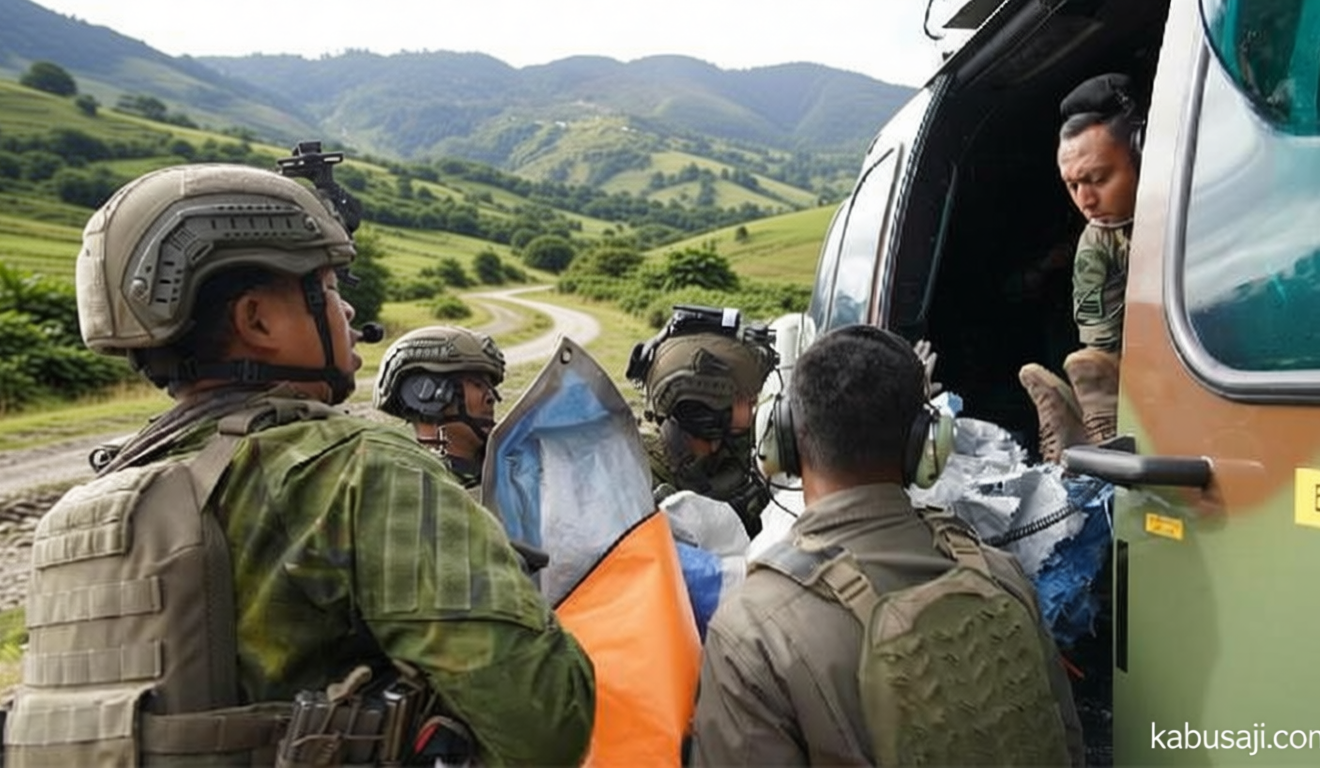
Indonesian Military to Reinforce Troops in Papua After Pilot Killing
Indonesian Military to Reinforce Troops in Papua – The Indonesian National Armed Forces (TNI) have announced plans to **reinforce troops** in Papua following the recent killing of an American pilot and the subsequent attack on an AMA airline aircraft. This decision comes amid growing concerns about security threats in the region, particularly after the July 2, 2026, incident in Balinggaman, Sobaham District, Yahukimo, Papua. The **Indonesian Military to Reinforce Troops** strategy aims to bolster military presence and address perceived vulnerabilities in the area, where tensions between security forces and separatist groups have been escalating.
Context of the Recent Attack
The pilot, Nicholas F. Gosselin, was shot dead during a routine flight, marking the first time an American citizen has been killed in Papua. The attack was followed by the burning of the aircraft, a tactic used to send a symbolic message. Lieutenant General Lucky Avianto, commander of the Joint Regional Defense Command III, highlighted that security posts in the region were sparse at the time of the incident. “There was no security post in Balinggaman, where the pilot was shot,” he stated in an interview with Antara on July 5, 2026. The attack’s proximity to the Korowai Airport, which was targeted in a similar incident on February 12, 2026, underscores the persistent threat to military and civilian operations in the region.
Avianto noted that the **Indonesian Military to Reinforce Troops** initiative will prioritize areas with critical infrastructure for pilot movements, such as airstrips and supply routes. The TNI plans to conduct a comprehensive assessment of the region’s security needs, focusing on locations where the risk of future attacks is highest. This includes remote areas with limited access, where the TPNPB-OPM has historically launched operations. “We aim to strengthen our personnel in vulnerable zones to ensure continuous support for military operations and civilian safety,” Avianto emphasized.
Separatist Group’s Motive and Claims
Sebby Sambom, spokesperson for the TPNPB-OPM’s headquarters, stated that the attack was intended to deter Indonesian airlines from operating over Papua. “The shooting and burning were meant to signal that no more Indonesian airlines should transport TNI forces through the region,” he said in a written statement on July 3, 2026. The TPNPB-OPM, a separatist movement operating in Papua, has long criticized the military presence as a means to suppress local autonomy. Its regional commands, including Kodap XVI Yahukimo led by Elkius Kobak, claim that civilian aircraft are frequently used to ferry troops and supplies to areas under their control.
The **Indonesian Military to Reinforce Troops** strategy is seen as a direct response to these claims. By increasing their security infrastructure, the TNI aims to reduce reliance on civilian transport and assert control over key logistical routes. Sambom also pointed out that airlines like PT AMA have played a significant role in supporting military operations, with their flights often carrying troops and equipment to remote parts of Papua. “This attack is a clear indication of the TPNPB-OPM’s desire to disrupt TNI logistics and protect Papuan communities from perceived aggression,” he explained.
Broader Implications for Papua’s Security
The decision to **reinforce troops** in Papua reflects the Indonesian government’s commitment to maintaining stability in the region. Since the 1960s, Papua has been a focal point of separatist movements, with sporadic clashes between the TNI and armed groups. The recent attacks, however, have raised alarms about the potential for increased violence and the need for a more robust security framework. Avianto mentioned that the TNI will work closely with local leaders, including Bishop Yanuarius You of Jayapura, to identify areas requiring additional support. This collaboration aims to ensure that military operations align with community needs and priorities.
Analysts suggest that the **Indonesian Military to Reinforce Troops** move could also serve to reassure both local and international stakeholders. The pilot’s death has drawn global attention to the security challenges in Papua, with some calling for greater investment in the region’s defense capabilities. The TNI’s expansion of its presence is expected to include not only more troops but also enhanced surveillance systems, improved communication networks, and stronger community engagement programs. “The goal is to create a more resilient security environment that deters attacks while protecting civilian lives,” Avianto added, underscoring the dual objectives of the TNI’s strategy.
Public and Political Reactions
The **Indonesian Military to Reinforce Troops** initiative has sparked mixed reactions among the public and political figures. While some support the move as a necessary step to ensure safety, others argue that it may further inflame separatist sentiments. Local residents in Yahukimo, where the attack occurred, have expressed fear over the growing military presence, with concerns about the impact on their daily lives. Meanwhile, the Indonesian government has reiterated its stance on maintaining national unity and security in Papua, framing the reinforcement as a proactive measure to prevent future incidents.
Read: Key Facts About American Pilot Shot Dead in Indonesia’s Papua for a deeper analysis of the conflict’s history and its implications for regional stability. The TNI’s plans also align with broader efforts to address the underlying causes of unrest in Papua, including economic development and political representation. As the **Indonesian Military to Reinforce Troops** strategy unfolds, its effectiveness will depend on how well it balances security needs with the aspirations of Papuan communities.
Click here to get the latest news updates from Tempo on Google News. This development highlights the ongoing challenges in Papua and the critical role the **Indonesian Military to Reinforce Troops** will play in shaping the region’s future security landscape. With the TNI’s focus on critical zones and enhanced collaboration with local leaders, the strategy aims to provide a lasting solution to the persistent threats faced by both military and civilian populations in Papua.