BMKG Signals Readiness for Possible Integration With Geological Agency
Kabarsaji.com – Indonesia’s Meteorology, Climatology, and Geophysics Agency, known as BMKG, has indicated that it is prepared to follow President Prabowo Subianto’s direction should the government move ahead with plans to combine it with the Geological Agency.
The proposal emerged during a limited meeting focused on disaster-management developments after a series of natural events, including earthquakes and volcanic eruptions, affected areas across Indonesia. President Prabowo raised the possibility of bringing the two institutions closer together, though he made clear that further discussion would be needed before any decision is taken.
BMKG Secretary-General Guswanto said the agency would comply with the presidential instruction, framing a potential merger as part of an effort to improve services for the public and reinforce disaster-mitigation work.
“To improve public services and support disaster mitigation efforts.”
The Geological Agency operates under the Ministry of Energy and Mineral Resources, while BMKG is responsible for meteorological, climatological, and geophysical observation and public information. Both bodies play important roles in helping the public and authorities understand threats linked to Indonesia’s active geological setting.
Complementary Roles in Disaster Information
Guswanto said BMKG and the Geological Agency have already worked as strategic partners for a long time. Their responsibilities overlap in the broader public-safety system but also cover different parts of the disaster-information process.
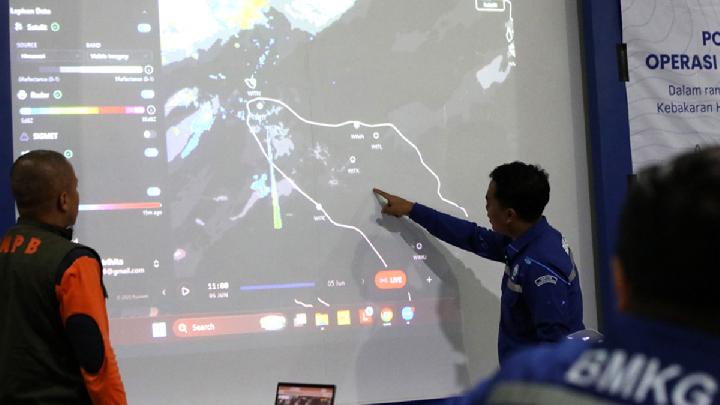
BMKG monitors and analyzes geophysical activity and distributes warnings and other information to the public. The Geological Agency’s work is especially relevant to conditions beneath the earth’s surface and volcanic activity. Together, their expertise contributes to the flow of information surrounding earthquakes, volcanoes, and tsunamis.
For residents in disaster-prone regions, the effectiveness of that information chain can be crucial. Hazard monitoring is not limited to collecting scientific data; it also involves analyzing possible risks, communicating findings clearly, and ensuring warnings can reach communities and institutions that need to respond.
Guswanto stressed that BMKG’s existing role would remain in place even if the institutional arrangement changes. He said the agency’s capacity to monitor threats, assess data, and communicate disaster information would continue and could be strengthened through the President’s direction.
“And it will continue to be strengthened by the President’s directives.”
Proposal Raised by President Prabowo
The initiative to consider combining the institutions came from President Prabowo, Guswanto said. The proposal was delivered during a limited meeting rather than through a publicly detailed policy announcement.
“He conveyed it in a limited meeting.”
Guswanto did not give a clear answer when asked whether BMKG had independently considered such an integration before the President raised the matter. That leaves open questions about what model of cooperation or organizational change the government may ultimately examine.
At the meeting in Jakarta’s Presidential Palace on Monday, September 7, 2026, Prabowo asked Geological Agency head Lana Saria to strengthen cooperation with ministries and other state institutions. The discussion took place in the context of recent disasters across the country, from seismic events to volcanic eruptions.
“Later on, we will consider whether the Geological Agency should be integrated with BMKG. But we will discuss this later.”
The President did not provide further details about the possible merger, including its timeline, administrative structure, or how the responsibilities of each institution might be organized. No final integration decision was announced during the meeting.
Why Coordination Matters
Indonesia sits in a region where earthquakes, volcanic activity, and tsunami risks require sustained monitoring. Different hazards can involve separate scientific observations, but emergency communication often depends on agencies being able to share information quickly and clearly.
A closer institutional relationship could therefore be examined as a way to coordinate technical expertise and public-facing disaster information. At the same time, any merger would need to preserve the specialized functions that support weather forecasts, climate information, earthquake monitoring, volcanic observation, and tsunami-related warnings.
The issue also highlights the distinction between agency structure and operational readiness. Whether institutions remain separate or are integrated, the central public concern is the reliability of hazard assessment and the timely delivery of understandable alerts. BMKG has emphasized that its monitoring and information-distribution responsibilities will continue.
For now, the government’s position remains one of consideration rather than a confirmed restructuring plan. The next stage is expected to involve further discussion over how BMKG and the Geological Agency can work more closely in supporting safety, preparedness, and disaster response throughout Indonesia.
Related Reading
Frequently Asked Questions
What is Indonesia?
Indonesia is the main topic of this guide. The article explains the context, practical details, and next steps readers should understand.
Why does Indonesia matter?
Indonesia matters because readers are looking for a useful answer, not just a short summary. Good content should match search intent and help them decide what to do next.