
Indonesia Urged to Reject Deep-Sea Mining at UN Forum
Indonesia Urged to Reject Deep-Sea Mining at UN Forum Indonesia Urged to Reject Deep Sea Mining - Indonesia has been called upon to reject deep-sea mining
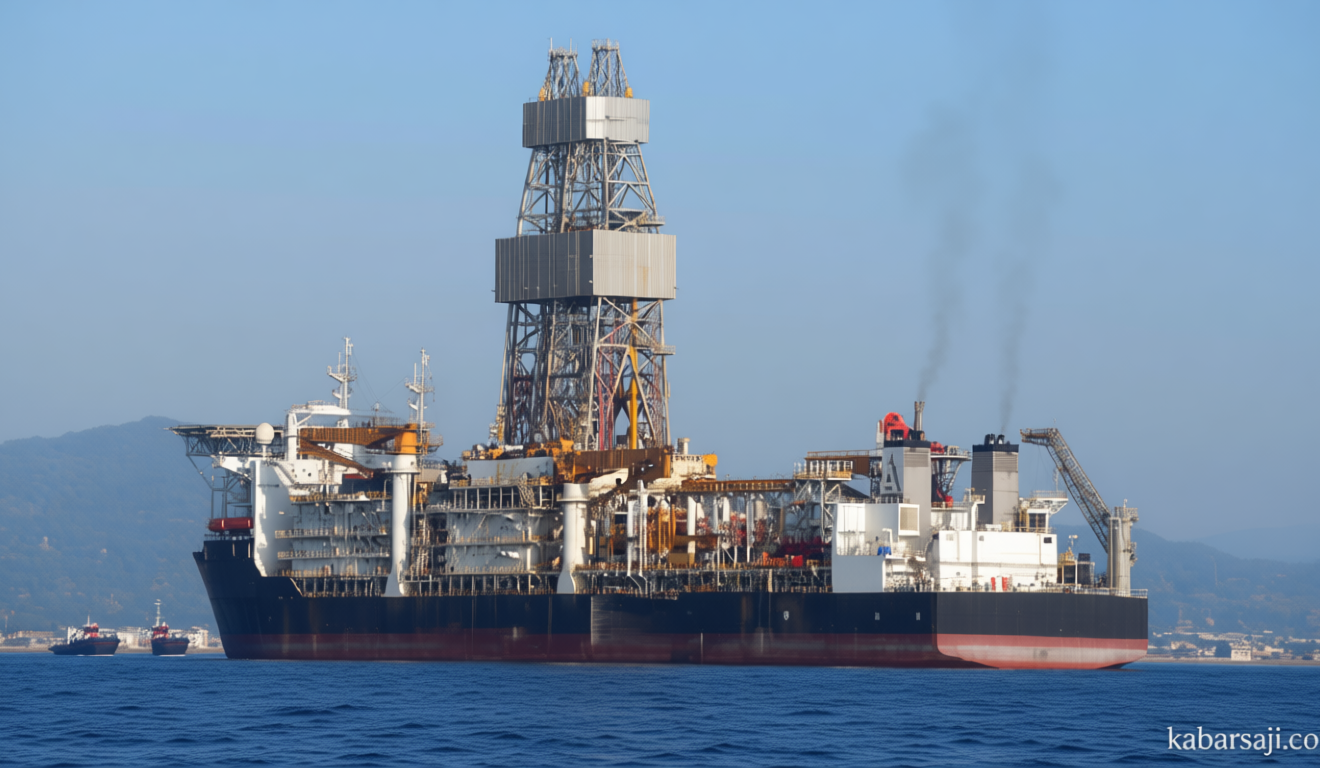
Indonesia Urged to Reject Deep-Sea Mining at UN Forum
Indonesia Urged to Reject Deep Sea Mining – Indonesia has been called upon to reject deep-sea mining initiatives at an upcoming UN forum, as environmental advocates and civil society organizations intensify their efforts to protect marine ecosystems. With the 31st session of the International Seabed Authority (ISA) set to convene in Kingston, Jamaica, from July 29 to 31, 2026, the Publish What You Pay (PWYP) Indonesia Coalition has delivered a formal letter to the Ministry of Foreign Affairs and the Ministry of Maritime Affairs and Fisheries, emphasizing the need for the nation to take a firm stance against deep-sea mining. This initiative, which aims to extract valuable minerals from the ocean floor, is seen as a potential threat to biodiversity, climate stability, and the long-term health of Indonesia’s coastal regions. The coalition’s focus on the keyword “Indonesia Urged to Reject Deep” underscores the urgency of the debate surrounding the project’s approval.
The Environmental and Economic Risks of Deep-Sea Mining
Environmental experts warn that deep-sea mining could unleash catastrophic damage on fragile underwater ecosystems, with irreversible consequences for marine life and global climate systems. Aryanto Nugroho, National Coordinator of the PWYP Indonesia Coalition, highlighted this concern in a statement released on June 20, 2026, stating, “Indonesia Urged to Reject Deep-Sea Mining is not just a political decision—it’s a safeguard for the planet’s most vulnerable habitats.” The coalition argues that the extraction process, which involves removing minerals like cobalt, nickel, and rare earth elements, risks disturbing seabed sediments that have stored carbon emissions for millennia. This disturbance could release significant amounts of carbon into the atmosphere, accelerating climate change. Additionally, the economic implications of deep-sea mining are under scrutiny, as it may shift Indonesia’s role from a steward of the ocean to a supplier of raw materials for international industries.
Indonesia’s potential involvement in deep-sea mining operations could also strain its coastal environments, which are already facing challenges from pollution and overfishing. The coalition’s letter to the government stresses that the nation’s decision at the UN forum will determine its participation in global seabed mineral extraction. If approved, Indonesia could become a major processing hub for these minerals, undermining its ability to protect local ecosystems. Aryanto explained, “The call for Indonesia to reject deep-sea mining is part of a broader strategy to ensure that the country’s environmental policies remain aligned with its sustainable development goals.” This position aligns with growing international opposition to the practice, which has been gaining momentum in recent years.
Indonesia’s Strategic Role in Shaping Seabed Mining Policies
As a member of the ISA Council for the 2023–2026 term, Indonesia holds significant influence in setting the global framework for seabed mining. The upcoming ISA meeting is expected to address the Mining Code, a pivotal document that outlines the legal and environmental standards for deep-sea mining activities. Aryanto noted that the debate has evolved into a direct challenge for Indonesia’s national interests, as the country must decide whether to support a framework that prioritizes economic gains over ecological preservation. “Indonesia Urged to Reject Deep-Sea Mining is a critical step in ensuring that the Mining Code reflects the concerns of coastal nations,” he said, highlighting the coalition’s demand for a robust environmental impact assessment before any extraction begins.
The coalition’s push for a moratorium on deep-sea mining is gaining traction, with other Asian nations also expressing reservations about the practice. By becoming the first Asian country to support such a measure, Indonesia could set a precedent for environmental leadership. However, the government’s position remains ambiguous, with some officials advocating for the economic benefits of deep-sea mining, such as job creation and revenue generation. Aryanto cautioned that this short-term gain could lead to long-term environmental costs, including the destruction of unique marine habitats and the depletion of critical carbon sinks. “The keyword ‘Indonesia Urged to Reject Deep’ is central to our advocacy, as it encapsulates the nation’s responsibility to protect the ocean’s future,” he added, reinforcing the coalition’s commitment to the cause.
Global Advocacy and Local Impact: A Call for Political Action
Scientific research and human rights advocacy are increasingly converging on the issue of deep-sea mining. The coalition cited studies from the United Nations Human Rights Council (UNHRC) to demonstrate how deep-sea mining threatens both marine biodiversity and the livelihoods of coastal communities. These studies indicate that the extraction process could disrupt essential ecosystems, such as hydrothermal vents and deep-sea trenches, which are home to undiscovered species and play a vital role in maintaining oceanic balance. “Indonesia Urged to Reject Deep-Sea Mining is not only about protecting the environment—it’s about securing the rights of communities that depend on the sea for their survival,” Aryanto emphasized in a press release. The coalition also highlighted that the approval of the Mining Code could lead to the commodification of deep-sea resources, with Indonesia’s coastal areas at risk of becoming primary zones for pollution and habitat degradation.
To amplify their efforts, the PWYP Indonesia Coalition has expanded its outreach, engaging with key stakeholders such as the Ministry of Energy and Mineral Resources and the Ministry of Environment and Forestry. This strategic move aims to block deep-sea mining commodities from entering the domestic supply chain, ensuring that Indonesia’s environmental policies are not compromised. Aryanto’s statement underscores the coalition’s dual focus: environmental protection and political representation. “Indonesia Urged to Reject Deep