
Indonesia Urged to Recognize Corruption as a Human Rights Violation
Indonesia Urged to Recognize Corruption as a fundamental human rights issue, according to a new proposal from the National Human Rights Commission (Komnas
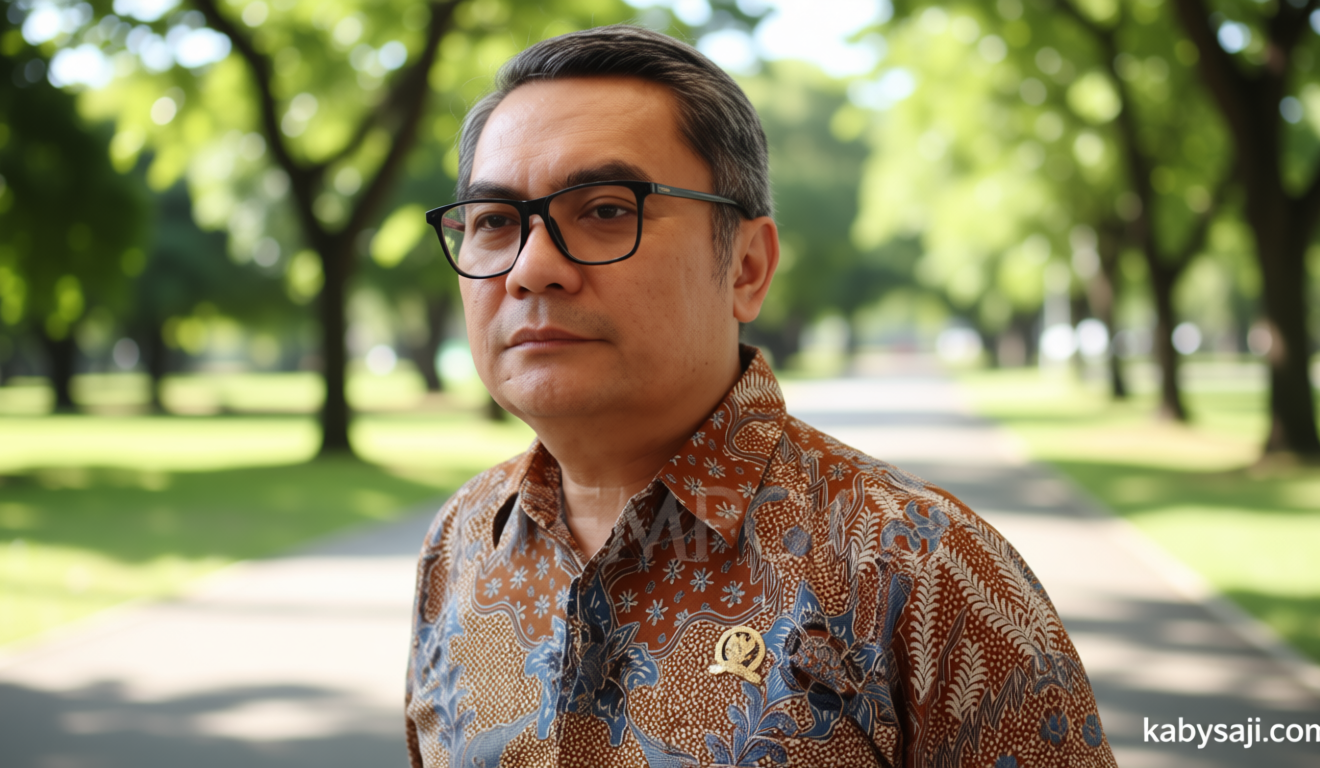
Indonesia Urged to Recognize Corruption as Human Rights Violation
Kabarsaji.com – Indonesia Urged to Recognize Corruption as a fundamental human rights issue, according to a new proposal from the National Human Rights Commission (Komnas HAM). The commission has recommended that upcoming amendments to the Corruption Eradication Law should formally acknowledge corruption as a breach of human rights. This significant recommendation targets Law No. 31 of 1999, which was subsequently modified by Law No. 20 of 2001 concerning the elimination of corruption offenses across the archipelago.
According to Komnas HAM, corruption generates a group of victims whose fundamental rights suffer and demand restoration. Commissioner for Study and Research Uli Parulian Sihombing noted that the commission has gathered multiple complaints indicating corruption extends beyond mere financial damage to the government, also inflicting harm on local communities throughout Indonesia.
“International human rights law has also recognized corruption as a form of human rights violation,” Uli stated while presenting research findings titled “Corruption and Recovery of Human Rights Violations: Promoting a Human Rights-Based Approach in Eradicating Corruption” on Tuesday, July 21, 2026.
Expanding the Definition of Victims
Uli pointed out that Indonesia’s existing legislation on corruption eradication maintains a narrow perspective by treating corruption mainly as an offense against the national economy. Under Article 2 of the current law, corruption is characterized as actions resulting in financial losses to state coffers, thereby casting the government as the primary injured party rather than ordinary citizens.
Nevertheless, Uli contended that everyday people experience corruption’s impact through diminished educational opportunities, ecological degradation, and postponed public services alongside infrastructure projects. These consequences affect millions of Indonesians who rely on proper governance and resource allocation.
“Corruption causes victims ranging from the loss of access to education, environmental destruction, to delays in accessing public services and infrastructure. Therefore, recovery efforts for affected victims are necessary,” he explained.
He further emphasized that the present legal structure fails to sufficiently protect the interests of corruption victims, meaning collective victims lack proper legal standing to pursue accountability. This gap in the current framework represents one of the key reasons why Indonesia Urged to Recognize Corruption within a broader human rights context.
Aligning Legislation with International Standards
Uli advocated for Indonesia to bring its Corruption Eradication Law into alignment with human rights principles and the United Nations Convention Against Corruption (UNCAC). His research team discovered that Article 1 Paragraph (6) within Indonesia’s Human Rights Law includes components capable of supporting the categorization of corruption as a human rights breach.
“Therefore, harmonization of the Corruption Law, human rights principles, and the United Nations Convention Against Corruption is necessary,” said Uli, who previously served as director of the Jakarta Legal Aid Institute.
Parliamentary Review Underway
Discussions regarding the revision of the Corruption Eradication Law commenced within the House of Representatives (DPR) Commission III in May 2026. This commission, responsible for legal matters, has yet to reveal which specific clauses will undergo changes. The timing of these deliberations coincides with growing public demand for stronger anti-corruption measures.
When Tempo reached out to DPR Commission III members Nasir Djamil and Hasbiallah Ilyas about Komnas HAM’s suggestions, they had not provided responses by the time of publication. Nevertheless, the commission’s consideration of these recommendations signals that Indonesia Urged to Recognize Corruption may soon see legislative progress.
Read: 5 Demands from Civil Groups Over TNI Role in Taxpayer Monitoring
Click here to get the latest news updates from Tempo on Google News