
Indonesia Pushes to Solidify Status as World’s Fourth-Largest Coffee Producer
Indonesia Aims to Strengthen Its Position as the World's Fourth-Largest Coffee Producer Indonesia Pushes to Solidify Status as World - Indonesia's efforts to
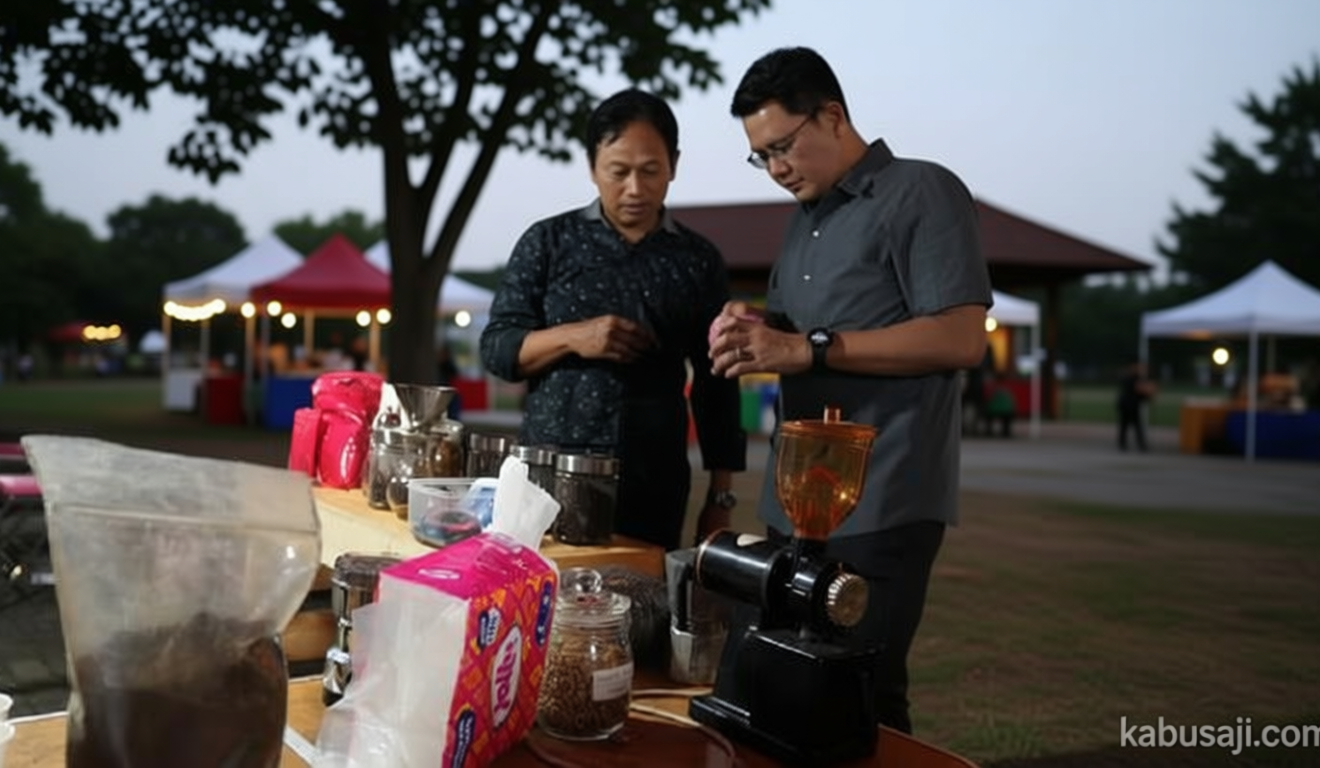
Indonesia Aims to Strengthen Its Position as the World’s Fourth-Largest Coffee Producer
Indonesia Pushes to Solidify Status as World – Indonesia’s efforts to solidify its status as the world’s fourth-largest coffee producer are gaining momentum, with the 2026 Java Coffee, Flavors and Festival (JCFF) set to play a pivotal role in advancing the nation’s coffee industry. Organized by Bank Indonesia (BI) in Surabaya, East Java, from July 17 to 19, the event serves as a strategic platform to promote local coffee production, enhance market access, and showcase the country’s rich agricultural potential. As the global coffee market continues to evolve, Indonesia’s commitment to maintaining its position underscores the importance of domestic agriculture in driving economic growth and international trade.
Boosting Production and Market Reach
Indonesia’s coffee production has long been a cornerstone of its agricultural sector, with an annual output of approximately 780,000 tons. East Java, in particular, plays a crucial role in this endeavor, contributing over 53,000 tons yearly—a figure that surpasses the combined production of Central Java and West Java. This regional dominance highlights the country’s natural advantages, including its tropical climate and fertile soil, which are ideal for growing high-quality coffee beans. However, maintaining this position requires more than just natural conditions; it demands proactive strategies to address challenges and capitalize on opportunities.
The JCFF 2026 is designed to amplify Indonesia’s coffee presence in both domestic and international markets. By bringing together micro, small, and medium enterprises (MSMEs), which form the backbone of the coffee sector, the festival aims to foster collaboration and innovation. Rifki Ismal, Deputy Head of BI’s East Java Representative Office, emphasized that the event will focus on connecting producers with buyers, showcasing their products, and promoting sustainable practices. This initiative reflects a broader effort to modernize the coffee industry and ensure its competitiveness in a rapidly changing global landscape.
Strategies to Expand Market Access
Indonesia’s push to solidify its status as the world’s fourth-largest coffee producer is part of a larger plan to boost exports and increase market share. BI has identified the need to diversify buyer networks, particularly by engaging with international markets that value high-quality, organic, and specialty coffee. To achieve this, the JCFF 2026 will feature business coaching sessions, product matching, and workshops aimed at improving supply chain efficiency. Rifki noted that expanding these opportunities could lead to significant economic benefits, including higher revenues for small-scale farmers and better access to premium markets.
The festival also highlights the growing importance of value-added products such as chocolate, tea, and spices, which complement Indonesia’s coffee exports. By integrating these items into the event, BI hopes to create a more comprehensive agricultural ecosystem that appeals to a wider range of consumers. This approach not only strengthens the coffee industry but also positions Indonesia as a hub for diverse tropical commodities. Additionally, the inclusion of sustainability initiatives ensures that the nation’s coffee production remains environmentally responsible while meeting global standards.
Challenges and Opportunities in the Coffee Sector
Despite its strengths, Indonesia’s coffee industry faces several challenges, including fluctuating global prices, competition from other major producers, and the need for technological upgrades. Rifki acknowledged that climate change and pests such as coffee rust have also impacted yield stability. However, he remained optimistic, citing the festival’s potential to address these issues through education, infrastructure investment, and policy support. The success of the 2026 JCFF, which attracted over 130,000 visitors and generated Rp107 billion (approximately US$5.96 million) in transactions in 2025, serves as a strong indicator of the event’s impact.
With over 60 MSMEs participating in the festival, including 41 BI-supported coffee enterprises, the initiative is expected to drive innovation and quality improvements. These businesses are critical to Indonesia’s coffee production, as they account for a significant portion of the country’s output. By strengthening their networks and providing access to new markets, BI aims to empower these producers to achieve greater profitability and sustainability. The festival also offers a platform for discussing best practices, such as organic farming techniques and export strategies, which can help the industry adapt to market demands.
Indonesia’s commitment to the coffee sector is evident in its long-term goals to enhance production efficiency and meet international quality benchmarks. As the world’s fourth-largest coffee producer, the nation has a unique opportunity to shape global markets by promoting its distinct flavor profiles and sustainable practices. The JCFF 2026 is a key step in this direction, combining cultural promotion with economic development to ensure the industry’s continued growth. With the right support and collaboration, Indonesia can further solidify its position as a leader in the global coffee trade while addressing both environmental and economic challenges.
Read more about BI’s initiatives to strengthen Indonesia’s agricultural exports on their Google News page for the latest updates.