
Indonesia, Papua New Guinea Seek Deal on Border Power Supply
Indonesia, Papua New Guinea Seek Deal on Border Power Supply Indonesia and Papua New Guinea Forge Strategic Energy Partnership Indonesia Papua New Guinea Seek Deal - Indonesia and Papua New…
Indonesia, Papua New Guinea Seek Deal on Border Power Supply
Indonesia and Papua New Guinea Forge Strategic Energy Partnership
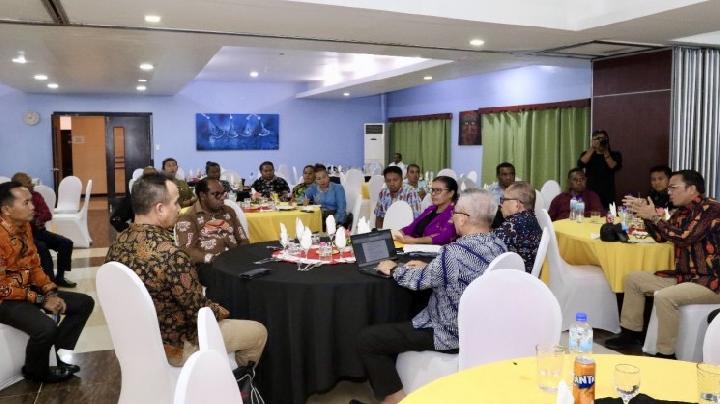
Indonesia Papua New Guinea Seek Deal – Indonesia and Papua New Guinea have entered into an exploratory phase to establish a bilateral power supply agreement that would enhance energy access for border regions. The collaboration, led by Indonesia’s National Border Management Agency (BNPP) and Papua New Guinea’s Ministry for Tourism, Arts, and Culture, is aimed at addressing persistent challenges in electricity distribution along the shared frontier. The initiative underscores the growing recognition of the need for cross-border energy infrastructure to support economic development and social stability in the area. With the goal of creating a reliable and affordable power supply, both nations are exploring mechanisms to ensure seamless energy cooperation and mutual benefit.
Historical Context and Current Challenges
The border regions between Indonesia and Papua New Guinea, particularly the Wutung area, have long struggled with inconsistent power supply due to geographical remoteness and underdeveloped infrastructure. This has hindered daily life, disrupted agricultural activities, and limited access to essential services for local communities. While the two countries have previously discussed energy cooperation, progress has been slow. The current talks in Jakarta mark a renewed effort to resolve these issues, with a focus on modernizing energy systems and establishing a framework for shared resources. By addressing these challenges, Indonesia and Papua New Guinea aim to improve living standards and foster stronger regional ties.
Key Negotiations and Tariff Adjustments
During the recent discussions, the Indonesian delegation emphasized the importance of a stable power tariff to ensure long-term viability of the project. In 2024, both nations had agreed on a rate of US$0.20 per kilowatt-hour, with Indonesia covering the cost difference through a grant. However, the introduction of a revised tariff by Papua New Guinea in the past year has stalled progress. Officials from both countries are now working to reconcile these differences, with the potential for a regulatory adjustment to balance the economic burden. The meeting in Jakarta also included plans to draft a memorandum of understanding (MoU) that outlines the terms of the power supply deal and its implementation timeline.
“The discussion’s findings will be relayed to authorities. If tariffs require adjustment, we will resolve it via a regulatory mechanism,” stated Safrizal Zakaria Ali, the Indonesian Director General of Regional Administration Development. This statement highlights the collaborative spirit of the negotiations and the commitment to finding a solution that benefits both nations.
Apart from tariff adjustments, the talks also focused on the broader implications of energy cooperation. Indonesia and Papua New Guinea seek to leverage this initiative as a stepping stone for deeper integration in other sectors, such as transportation and trade. The joint power supply project could serve as a model for future cross-border initiatives, demonstrating how shared resources can strengthen bilateral relations. Additionally, the agreement is expected to improve the quality of life for border communities by providing consistent access to electricity, which is crucial for healthcare, education, and economic activities.
Joint Infrastructure Development and Community Benefits
Indonesia and Papua New Guinea seek to expand their collaboration beyond electricity by developing joint infrastructure projects that serve both sides of the border. These initiatives are designed to create sustainable development opportunities and foster interdependence between the two nations. The Indonesian delegation has proposed establishing shared facilities, such as energy storage units and distribution networks, which would ensure that power is available even during periods of low generation. By investing in such infrastructure, both countries aim to create a resilient energy system that supports the unique needs of border communities.
“Tariff matters can be addressed later. Our priority is advancing broader bilateral relations,” said Amrullah Ridha, BNPP’s Assistant Deputy for Physical Infrastructure. His remarks reflect the strategic vision of the agreement, which is not only about immediate energy access but also about building a foundation for long-term partnership.
The PNG delegation also highlighted the social ties between border residents, arguing that a reliable power supply is essential for strengthening community bonds. They emphasized that intermarriage and family networks in the region make cooperation a necessity rather than a choice. By ensuring access to electricity, Indonesia and Papua New Guinea seek to create a more integrated and prosperous border area. This approach aligns with their broader goals of promoting regional stability and economic growth through shared infrastructure and collaborative governance.
Looking Ahead: Implementation and Future Prospects
With the current discussions, Indonesia and Papua New Guinea seek to finalize a framework that will facilitate the implementation of the power supply agreement. The next step involves a Joint Border Committee meeting in October 2026, where further details will be negotiated. This meeting is expected to address outstanding issues, including tariff adjustments and funding mechanisms, to ensure a smooth transition from planning to execution. The success of this initiative could serve as a catalyst for additional energy projects, such as renewable energy installations and grid modernization efforts, which would further reduce dependency on external sources.
Indonesia and Papua New Guinea also seek to integrate the power supply project into their existing economic frameworks. The agreement is part of a larger effort to enhance cross-border collaboration in energy and other critical sectors. By doing so, both nations aim to create a more interconnected region, where energy resources are shared efficiently, and infrastructure development is prioritized. This could lead to significant benefits for local populations, including improved access to electricity, better healthcare services, and enhanced educational opportunities.
The importance of this agreement cannot be overstated, as it represents a critical step in addressing the energy needs of border communities. Indonesia and Papua New Guinea seek to demonstrate their commitment to regional cooperation by delivering tangible results in power supply. As the project moves forward, it is expected to set a precedent for future collaborations, reinforcing the idea that joint efforts can overcome challenges and create lasting benefits for both countries. This marks a pivotal moment in their relationship, highlighting the potential for energy cooperation to drive broader economic and social integration.