Indonesia Mulls Limiting Free Meal Program to Toddlers, Junior High Students
s, Junior High Students Indonesia Mulls Limiting Free Meal Program - Indonesia is considering a significant shift in its free meal program, which currently
Indonesia Mulls Limiting Free Meal Program to Toddlers, Junior High Students
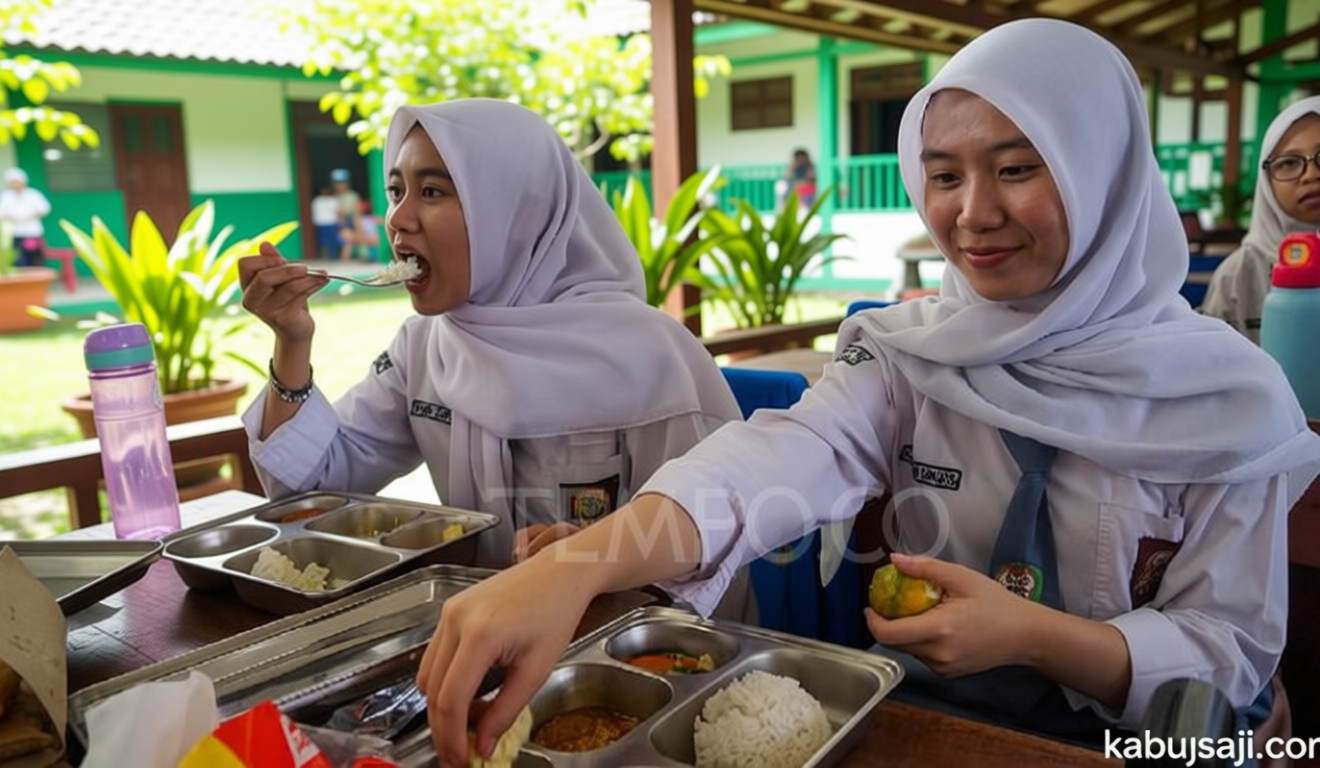
Indonesia Mulls Limiting Free Meal Program – Indonesia is considering a significant shift in its free meal program, which currently benefits a wide range of school-age children. The focus keyword, **Indonesia Mulls Limiting Free Meal**, highlights the government’s plan to narrow the program’s scope and prioritize nutritional support for toddlers and junior high school students. This decision comes amid growing concerns about the program’s efficiency and its ability to address critical developmental needs. The proposal aims to reallocate resources to ensure that those who require the most support, particularly in early childhood and adolescence, receive targeted assistance.
Proposed Changes to the Free Meal Program
The idea of limiting the free meal program to toddlers and junior high students was first floated by Yahya Zaini, a deputy from the Indonesian House of Representatives’ Commission IX. In a July 19, 2026, statement, he emphasized that these groups are in crucial growth phases and need higher caloric and nutritional intake. “Because they are still in a growing phase that requires high nutritional intake,” he noted via WhatsApp message. This argument is rooted in the belief that younger children and adolescents are more vulnerable to the effects of malnutrition, making them ideal targets for intervention.
Under the proposed adjustment, high school students would no longer be included in the program. Yahya explained that while the initiative has been beneficial, its impact on older students may not be as profound as on younger ones. He also stressed the importance of evaluating family income levels to ensure the program reaches those most in need. This approach would require a more precise targeting mechanism, potentially involving assessments of economic hardship and nutritional deficiencies.
The BGN (Badan Governance) has been actively discussing these changes with lawmakers during a closed meeting on June 15, 2026. Agustina Arumsari, a deputy head of BGN, stated that the refocusing of the program aims to maximize its effectiveness while conserving financial resources. The government’s goal is to create a more equitable distribution of aid, ensuring that funds are directed toward children who are most at risk of undernutrition. This could involve revising eligibility criteria and aligning the program with long-term health objectives, such as reducing stunting and improving overall development.
Reactions and Next Steps
Experts and stakeholders have weighed in on the proposed changes. The Center for Economic and Law Studies (Celios) recommended reducing the number of beneficiaries from 82 million to 26 million, aligning the program with its original goals of addressing stunting and improving nutrition. Charles Honoris, another deputy in Commission IX, supported this adjustment, noting that the program’s original intent was to support the most vulnerable children. “With the Panja, it is expected that there will be specific and comprehensive plans on how this program can proceed in the future,” Honoris added, highlighting the need for structured implementation.
While the proposal has drawn support from some quarters, others remain cautious. Critics argue that excluding high school students could leave a significant portion of the population without adequate support, especially in regions where access to food is still a challenge. Additionally, the program’s long-term success depends on its ability to adapt to changing demographics and economic conditions. As the debate continues, the government is expected to finalize the new criteria by the end of 2026, with a focus on ensuring both inclusivity and precision in targeting.
Read more: BGN Absorbed Only 66 Pct of 2025 Free Meal Budget. The proposed changes are part of a broader effort to streamline public welfare initiatives and address the root causes of malnutrition. By focusing on toddlers and junior high students, the government hopes to create a more sustainable model that can be scaled effectively in the future.
Subscribe to Tempo for the latest updates on this and other news. As the program evolves, its impact on child nutrition and long-term development will be closely monitored. The key to success lies in balancing immediate needs with strategic planning, ensuring that every child has the opportunity to thrive. With continued collaboration between policymakers, researchers, and local communities, the **Indonesia Mulls Limiting Free Meal** initiative can serve as a model for targeted, effective public health interventions.