
Indonesia Cuts Visa-Free Entry by 87% to Tighten Foreign Screening
ns Foreign Immigration Controls to Enhance Security Indonesia Cuts Visa Free Entry by 87%, marking a significant shift in its immigration strategy to better
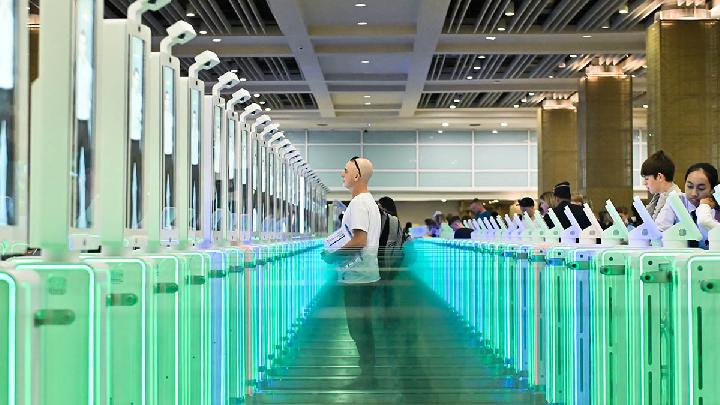
Indonesia Tightens Foreign Immigration Controls to Enhance Security
Indonesia Cuts Visa Free Entry by 87%, marking a significant shift in its immigration strategy to better manage the influx of international visitors. In the first half of 2026, the Directorate General of Immigration (DGIM) implemented a more selective approach, reducing visa-free entries by 87.91%. This decision reflects a commitment to refining the flow of foreign nationals, ensuring they contribute positively to the economy while aligning with national security priorities.
“Our strategy emphasizes digital modernization and targeted policies to ensure that each foreign traveler supports Indonesia’s economy without compromising security,” stated Hendarsam Marantoko, Director General of Immigration, during a statement in Bandung. The reduction in visa-free issuance highlights a broader effort to align immigration policies with evolving global challenges and enhance oversight mechanisms.
The policy adjustment led to a dramatic decline in visa-free entries, which fell from 438,423 in the first half of 2025 to just 52,999 in the same period of 2026. Despite this sharp reduction, the visa sector recorded a 6.42% increase in non-tax state revenue (PNBP), reaching approximately Rp2.81 trillion. Hendarsam noted that the focus is now on quality over quantity, with the DGIM adapting to international trends and improving the efficiency of its immigration services.
Visa Issuance Trends and Policy Adjustments
From January to June 2026, the DGIM issued 3,924,500 visas, a 6.77% decrease compared to the 4,209,465 visas issued in the prior year. The C1 category of paid visit visas saw a 2.76% increase, totaling 3,829,902. Visa on Arrival remained the most common type, with 3,481,490 issued, followed by C1 index visas (113,323) and C20 index visas for equipment installation (83,852). The Golden Visa program added 143 new approvals, underscoring Indonesia’s focus on attracting long-term foreign investment.
Indonesia Cuts Visa Free Entry has also prompted the DGIM to streamline processing times and introduce stricter verification protocols. These measures aim to reduce fraudulent entries and ensure that visa holders meet specific criteria, such as having a clear purpose for their visit or sufficient financial backing. The changes are part of a larger initiative to modernize the immigration system and integrate digital tools for better tracking and monitoring of foreign nationals.
Impact on Tourism and Key Markets
Indonesia’s tourism sector has been affected by the reduced visa-free entries, particularly from countries like Australia, China, India, South Korea, and the United States. While Australia remained the top source of visitors with 848,802 arrivals, the new policies have led to a more controlled flow of tourists, balancing economic benefits with security concerns. The DGIM has also worked closely with these key markets to ensure smooth transition and maintain visitor satisfaction.
The enforcement of Indonesia Cuts Visa Free Entry has not only tightened foreign screening but also improved data accuracy. National crossing data for the first semester of 2026 recorded 12,891,069 arrivals and 12,866,474 departures, demonstrating the effectiveness of the new measures. Immigration authorities have emphasized that these adjustments will create a more resilient system, capable of addressing both economic and security challenges in the long term.
As part of the new strategy, the DGIM has intensified enforcement actions, with 10,911 administrative measures taken during the first half of 2026. Of these, 3,260 cases resulted in revoked residence permits or deportations, primarily due to rule violations or security risks. Additionally, 23 foreign nationals faced criminal charges, with 17 still under investigation and four in trial, highlighting the seriousness of the policy’s implementation.
Indonesia Cuts Visa Free Entry has also led to the detention of 2,102 individuals on the immigration blacklist, 93.2% of whom were linked to breaches of immigration regulations. Law enforcement has requested delays in the departure of 1,704 high-risk travelers, ensuring that they are properly vetted before leaving the country. These measures have also prevented 401 Indonesians and 36 foreigners from departing, further tightening the control over foreign nationals.
Looking ahead, the DGIM plans to continue refining its policies to meet international standards. By focusing on selective visa-free entry, Indonesia aims to attract more qualified visitors who can contribute to the economy while minimizing the risk of unauthorized entry. The integration of digital systems and enhanced cooperation with neighboring countries will play a crucial role in achieving these goals.
Read: UAE Expands Short-Term Entry Permits for Tourists | Click here to get the latest news updates from Tempo on Google News