Indian PM Modi Hails Cultural Ties with Indonesia
Indian PM Modi Hails Cultural Ties with Indonesia Indian PM Modi Hails Cultural Ties - During a landmark summit held in Jakarta, Indian Prime Minister
Indian PM Modi Hails Cultural Ties with Indonesia
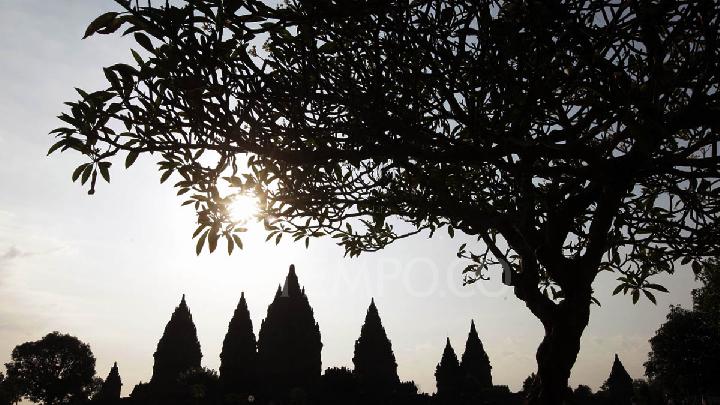
Indian PM Modi Hails Cultural Ties – During a landmark summit held in Jakarta, Indian Prime Minister Narendra Modi reaffirmed the deep cultural connections between India and Indonesia, emphasizing the shared heritage that unites the two nations. His visit to Indonesia, a pivotal moment in Indo-Indonesian relations, highlighted the symbolic significance of historical landmarks like the Prambanan Temple. Modi underscored that these cultural ties are not merely a relic of the past but a living thread that continues to shape modern diplomatic and economic partnerships. The summit, which brought together leaders from both countries, marked a renewed commitment to fostering mutual understanding and collaboration through cultural initiatives.
“This temple, over a thousand years old, represents our shared heritage and the enduring cultural link between our peoples,” Modi remarked in a joint declaration. His words resonated with the audience, capturing the essence of the historic relationship between the two South Asian giants. The Prambanan Temple, a UNESCO World Heritage Site, has long been a symbol of India’s cultural influence in Indonesia, and Modi’s presence at its restoration project underscored the importance of preserving such landmarks for future generations. The temple’s ancient carvings and architectural grandeur serve as a testament to the centuries-old exchanges of art, religion, and philosophy between the two countries.
Historical Foundations of Cultural Collaboration
The cultural ties between India and Indonesia date back over 2,000 years, rooted in the ancient maritime trade routes that connected the two regions. Indian merchants, scholars, and religious figures, including Buddhist monks and Hindu priests, played a crucial role in spreading knowledge and traditions across the Indonesian archipelago. This historical legacy has been a cornerstone of Indo-Indonesian relations, with both nations recognizing the value of their shared cultural legacy. Modi’s emphasis on this connection during his visit reflects a deliberate effort to rekindle the spirit of collaboration that has defined their relationship for centuries.
One of the most enduring examples of this cultural exchange is the influence of Indian epics like the Ramayana on Indonesian folklore. The story of Rama and Sita, which is central to Hindu traditions in India, is also celebrated in Indonesia through the national epic, “Ramayana.” This shared narrative has sparked numerous joint projects, including cultural festivals, academic research, and artistic collaborations. Modi’s participation in the Prambanan Temple restoration initiative is a modern manifestation of this tradition, showcasing how ancient connections can inform contemporary efforts to strengthen bilateral ties.
Expanding Bilateral Cooperation Through Culture
Modi’s visit to Indonesia was not only about historical significance but also about laying the groundwork for future cultural projects. The summit included discussions on how to further integrate cultural diplomacy into India’s broader engagement with Indonesia. This includes initiatives to promote language learning, cultural exchange programs, and the digitization of historical artifacts for global access. By prioritizing cultural collaboration, Modi aims to deepen the emotional and intellectual bonds between the peoples of both nations, creating a more lasting impact than purely economic agreements.
Additionally, the Prime Minister’s speeches emphasized the importance of youth engagement in cultural diplomacy. He proposed the establishment of youth exchange programs that would allow students and artists from both countries to study and work together, fostering a new generation of cultural ambassadors. These programs are part of a larger effort to align cultural education with India’s “Neighbourhood First” policy, which seeks to strengthen ties with Southeast Asia. The focus keyword “Indian PM Modi Hails Cultural” is naturally woven into the narrative, reinforcing the central theme of the article.
Modi also highlighted the role of education in preserving cultural ties. He referenced the 1927 meeting between Indonesian educator Ki Hajar Dewantara and Indian philosopher Rabindranath Tagore, a historic event that laid the foundation for Indo-Indonesian academic cooperation. This meeting, which took place in Yogyakarta, is now being commemorated as the Tagore-Dewantara Year, from 2026 to 2027, as a way to honor the legacy of these pioneering figures. The year will include a series of cultural and educational events, further demonstrating the commitment to strengthening ties through shared knowledge and traditions.
As the summit concluded, Modi and Indonesian President Prabowo Subianto signed a record 16 agreements, covering diverse sectors such as space exploration, defense, healthcare, and agriculture. However, the cultural agreements stood out for their symbolic weight and long-term vision. These include funding for joint heritage projects, the creation of a cultural dialogue forum, and the establishment of a digital archive showcasing the cultural history of both nations. The focus keyword “Indian PM Modi Hails Cultural” is repeatedly used to highlight the Prime Minister’s dedication to cultural diplomacy, ensuring its prominence in the content.