In Switzerland, Iran Scrutinizes US Commitments to Peace Deal
In Switzerland, Iran Scrutinizes U.S. Commitments to Peace Deal In Switzerland Iran Scrutinizes US Commitments - In Switzerland, Iran Scrutinizes U.S.
In Switzerland, Iran Scrutinizes U.S. Commitments to Peace Deal
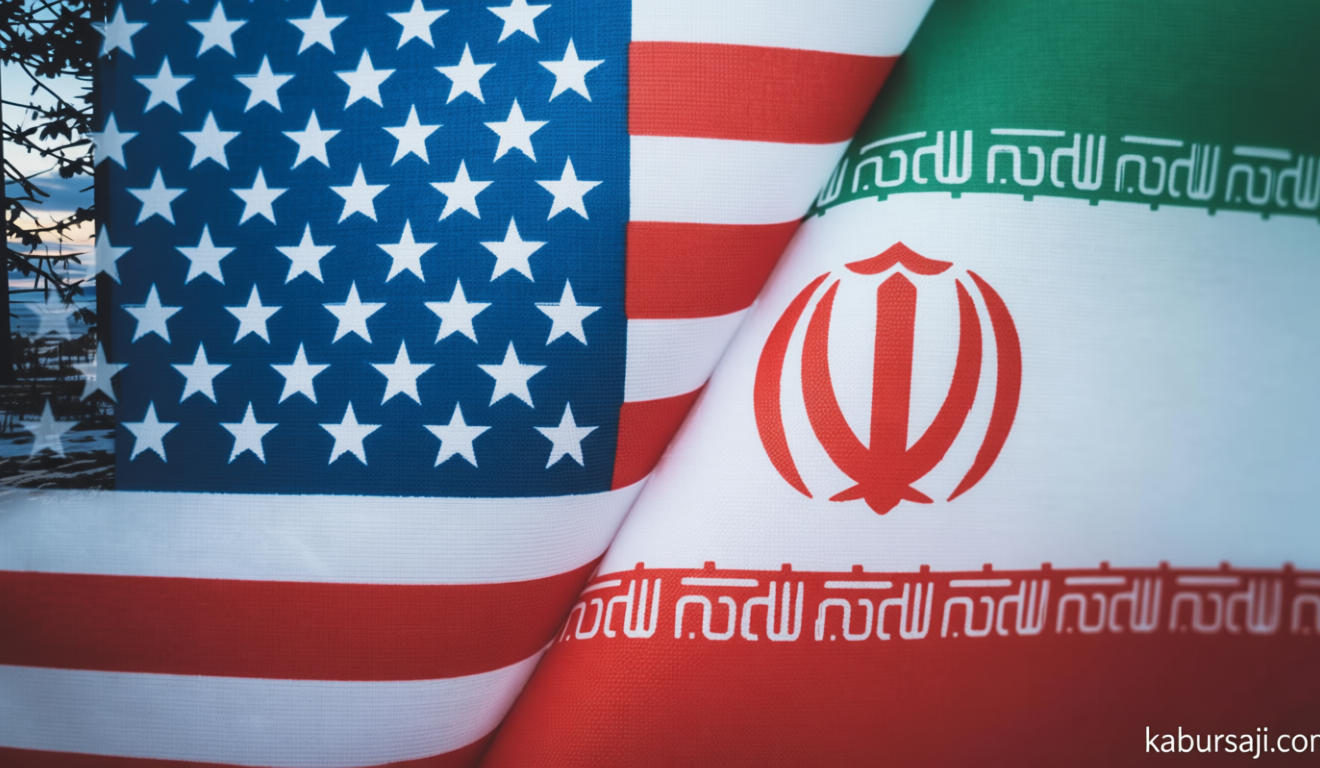
In Switzerland Iran Scrutinizes US Commitments – In Switzerland, Iran Scrutinizes U.S. Commitments as key negotiations unfold in Zurich, where Tehran seeks to ensure the United States fulfills its end of a historic peace agreement. The Memorandum of Understanding (MoU) signed on June 18, 2023, between Iran and the U.S. aims to revive diplomatic ties and ease regional tensions. Iran’s Foreign Ministry spokesperson, Esmaeli Baqaei, has emphasized that the country’s focus is on verifying the U.S.’s adherence to the terms of the deal, which has been a central point of discussion during the ongoing talks. The meeting, held in a neutral Swiss setting, underscores the importance of trust-building and accountability in the U.S.-Iran peace process.
Key Provisions and Iran’s Concerns
The MoU outlines several critical provisions, including the U.S. commitment to lifting economic sanctions on Iran and allowing the country to resume oil exports. However, Iran’s scrutiny extends beyond these immediate benefits, targeting the broader implications of the deal. Baqaei has pointed out that the agreement’s success hinges on the U.S. demonstrating a consistent effort to halt its support for groups like Hezbollah in Lebanon, which Iran views as a key obstacle to lasting peace. The Iranian delegation has also raised concerns about the release of frozen assets, a point of contention that has historically hindered progress in negotiations.
“Tehran is determined to hold the U.S. accountable for its commitments under the peace deal,” Baqaei stated on his X account, stressing that the MoU’s implementation must be transparent and verifiable. “The agreement’s success depends on the U.S. completing specific obligations, including the withdrawal of military forces from Lebanon and the resumption of nuclear fuel enrichment under strict safeguards.”
While the U.S. has prioritized clauses related to sanctions relief and oil exports, Iran insists on the inclusion of other terms, such as the phased reduction of nuclear activities and the establishment of a joint commission to monitor compliance. The country’s representatives have made it clear that without a comprehensive review of these provisions, the peace deal risks becoming a symbolic gesture rather than a binding framework for cooperation.
Participants and Negotiation Dynamics
The Iranian delegation, led by Parliament Speaker Mohammad Bagher Ghalibaf, arrived in Zurich on Saturday evening to participate in the talks. Ghalibaf, known for his diplomatic acumen, has been a central figure in previous negotiations, and his presence signals Iran’s seriousness about securing the deal’s terms. On the U.S. side, special envoy Steve Witkoff, presidential adviser Jared Kushner, and Vice President JD Vance have been dispatched to represent American interests. Witkoff, who has previously played a key role in the Iran nuclear deal, is expected to focus on the technical aspects of the agreement, while Vance has emphasized the need for the U.S. to address Iran’s concerns about its nuclear program.
The meeting is anticipated to span one to two days, with discussions centered on the execution of the June 18 MoU and the resolution of lingering disputes. Both sides have indicated a willingness to engage in constructive dialogue, though the outcome remains uncertain. Iran’s representatives have stressed the importance of a clear timeline for the U.S. to fulfill its obligations, while the U.S. team has hinted at the possibility of extending the negotiations if necessary.
“The U.S. is committed to the peace deal, but Iran’s scrutiny is necessary to ensure long-term stability,” said a U.S. official, speaking on condition of anonymity. “We are prepared to work closely with Tehran to address its concerns and meet the agreed-upon conditions.”
Historical Context and Current Challenges
The current talks mark a significant step forward in a process that has seen both historic breakthroughs and setbacks. The 2015 Joint Comprehensive Plan of Action (JCPOA) had previously established a framework for Iran’s nuclear program in exchange for sanctions relief, but its collapse in 2018 under the Trump administration led to renewed tensions. The June 18 MoU represents an attempt to revive the JCPOA’s spirit while incorporating new elements to address modern challenges, such as Iran’s regional influence and the U.S.’s role in conflicts involving its allies.
Iran’s focus on the U.S. commitments is not merely procedural but strategic. By positioning Switzerland as the venue for the talks, Tehran aims to leverage the country’s neutral stance and impartiality in international diplomacy. The Swiss setting also allows both parties to avoid the political scrutiny that often accompanies negotiations in other locations. However, the U.S. has faced criticism for its inconsistent actions in the past, such as reimposing sanctions on Iran despite previous agreements. This history has fueled Iran’s cautious approach, ensuring that every promise is backed by concrete actions.
Regional Implications and the Path Forward
The outcome of the Switzerland talks could have far-reaching consequences for the Middle East. If the U.S. successfully meets its obligations, it may pave the way for broader cooperation and reduce the risk of military escalation in the region. Conversely, if Iran perceives the U.S. as untrustworthy, it may delay or even abandon the deal, reverting to its traditional strategy of leveraging its geopolitical position to gain leverage in negotiations.
Analysts suggest that the success of the talks depends on both sides finding common ground on the MoU’s most contentious clauses. The U.S. has already taken steps to release some frozen assets, but Iran is demanding full compliance with all financial commitments. Additionally, the resumption of oil exports remains a priority for Iran, which relies heavily on energy revenues to sustain its economy. The Swiss meeting is seen as a critical opportunity to solidify the deal’s foundation and address these key issues before moving to a final agreement.
“This agreement is a crucial opportunity to restore trust and create a sustainable peace in the region,” noted a regional analyst. “Iran’s insistence on verifying U.S. commitments reflects its desire to avoid another repeat of the JCPOA’s collapse.”
Global Reactions and Diplomatic Significance
The U.S.-Iran peace deal has drawn attention from global powers, with some expressing cautious optimism and others voicing concerns. European allies, such as France and Germany, have praised the agreement as a step toward de-escalating tensions, while countries in the Gulf region remain watchful, aware of the potential impact on their own security and economic interests. The Swiss venue has been chosen for its reputation as a neutral ground, which could help facilitate smoother discussions and reduce the risk of accusations of bias.
International media has covered the negotiations closely, with reports highlighting the delicate balance of power and the high stakes involved. The focus keyword, “In Switzerland Iran Scrutinizes US Commitments,” has been a recurring theme in news coverage, underscoring the importance of the meeting in the broader context of global diplomacy. As the talks progress, the world will be watching to see whether the U.S. and Iran can overcome past obstacles and create a lasting framework for cooperation.