
How Will Karet and BNI City Stations Be Integrated?
How Will Karet and BNI City Stations Be Integrated? How Will Karet and BNI City - As Jakarta’s transportation landscape continues to evolve, the integration
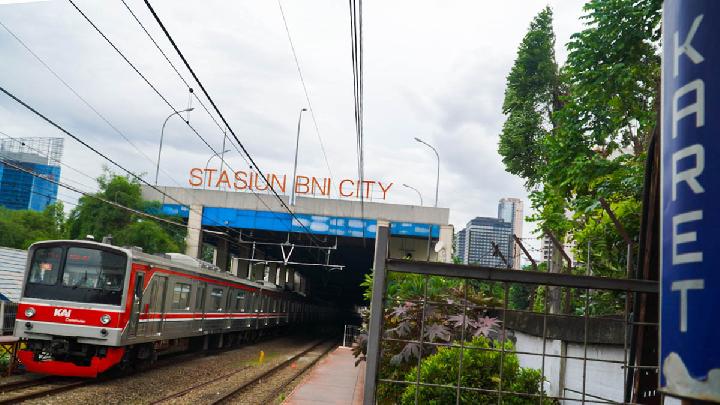
How Will Karet and BNI City Stations Be Integrated?
How Will Karet and BNI City – As Jakarta’s transportation landscape continues to evolve, the integration of Karet and BNI City Stations has emerged as a critical step in addressing the growing demand for efficient and safe mobility. PT Kereta Api Indonesia (KAI) has outlined a comprehensive plan to merge these two key transit hubs, aiming to create a unified system that reduces congestion, improves accessibility, and enhances the overall passenger experience. This integration is set to transform how millions of commuters navigate the city’s complex network, particularly in the bustling areas of South Jakarta. By streamlining operations and optimizing connectivity, the project will not only benefit daily travelers but also support the expansion of regional transport infrastructure in the long term.
“The integration of Karet and BNI City Stations is a strategic move to ensure smoother, more secure travel for our passengers,” said Bobby Rasyidin, KAI’s President Director, during a July 14, 2026, press briefing. “This initiative reflects our commitment to modernizing Indonesia’s rail system and aligning it with the needs of a rapidly growing urban population.”
Unified Passenger Experience
One of the primary goals of the integration is to create a seamless passenger flow between the two stations. Currently, commuters face challenges due to the fragmented layout and separate access points, which can lead to delays and confusion. The new system will feature a centralized concourse that allows for direct transfers between different transportation modes, including the Airport Rail Link (ARRL) and the Commuter Line (KRL). This will significantly reduce travel time for passengers connecting to or departing from these stations, particularly those heading to or arriving from Soekarno-Hatta International Airport. By unifying the stations, KAI aims to provide a more user-friendly environment, with improved signage, automated ticketing, and real-time information displays.
Infrastructure and Design Enhancements
The integration project includes extensive infrastructure upgrades designed to accommodate the increased foot traffic and improve accessibility. A key component is the construction of a climate-controlled bridge equipped with travelators, which will connect the two stations without exposing passengers to harsh weather conditions. This feature is particularly important for commuters who travel during Jakarta’s unpredictable climate, offering a more comfortable and efficient way to navigate the transition. Additionally, the redesign will incorporate modern architectural elements that enhance the aesthetic appeal of the stations while ensuring they meet contemporary safety standards. Public consultations have been conducted to gather insights on how these changes can better serve the local community and businesses.
As the integration nears completion by September 28, 2026, KAI has emphasized the importance of a smooth transition for commuters. The railway operator plans to deploy additional staff at both stations to guide passengers and address any logistical issues that may arise. Furthermore, a phased implementation strategy will allow for gradual adjustments to the layout, minimizing disruption during the initial stages. This approach ensures that the public can adapt to the changes while maintaining the stations’ operational efficiency. The project also aligns with KAI’s broader vision of developing a smarter, more resilient transportation network that integrates with other urban mobility solutions.
Environmental and Traffic Considerations
Recognizing the environmental impact of high passenger volumes, the integration also includes measures to reduce carbon footprints. By promoting a more streamlined movement of people and vehicles, the project aims to cut down on the number of private cars and motorcycles entering the area, thus alleviating traffic congestion. The restructured external access points will feature dedicated lanes for public transport, ensuring that buses and other vehicles can move more efficiently. In addition, KAI has partnered with local authorities to implement green initiatives such as energy-efficient lighting and waste management systems. These efforts not only contribute to a cleaner environment but also set a precedent for sustainable urban development in Jakarta.
The integration of Karet and BNI City Stations is expected to have a transformative effect on the city’s transit ecosystem. With over 10 million travelers using these stations combined in just six months, the need for a more cohesive system has never been greater. The upgraded infrastructure will support the growing demand for reliable and timely transportation, especially during peak hours. Moreover, the project will serve as a model for future station developments, demonstrating how modern rail systems can adapt to urban challenges while maintaining their functionality. As Jakarta continues to expand, such initiatives will play a vital role in ensuring that its transportation network keeps pace with the city’s development.
KAI’s commitment to this integration is evident in the details of its implementation. The railway operator has allocated significant resources to ensure that the new system is both durable and user-centric. The design of the stations reflects a balance between practicality and modernity, incorporating features that cater to diverse commuter needs. With the launch approaching, the focus is on educating the public about the changes through social media campaigns and informational sessions. This proactive communication will help minimize the learning curve for passengers and ensure a successful transition. The project’s success will depend on its ability to integrate smoothly with existing transit services while addressing the unique challenges of the Jakarta metropolitan area.