
GoTo, Grab to Implement 8% Commission Cap Starting July 1
GoTo and Grab Announce 8% Commission Cap Effective July 1 GoTo Grab to Implement 8 Commission - GoTo and Grab, two leading ride-hailing platforms in
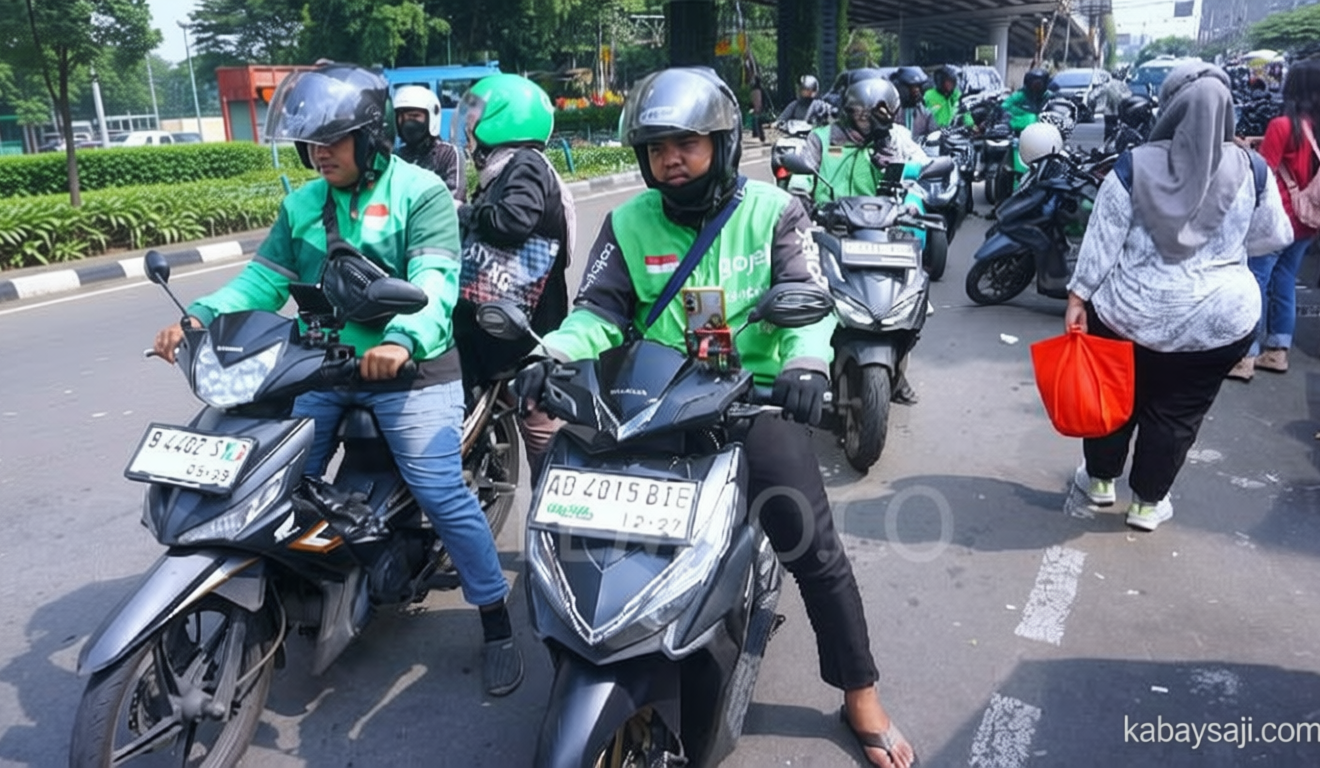
GoTo and Grab Announce 8% Commission Cap Effective July 1
GoTo Grab to Implement 8 Commission – GoTo and Grab, two leading ride-hailing platforms in Indonesia, have announced their commitment to capping commission rates at 8% for driver partners starting on July 1, 2026. This decision, which marks a significant shift in the sector’s financial model, follows a series of discussions between company executives and government officials, culminating in a joint statement released on June 23, 2026. The move is part of a broader initiative to address concerns about fair earnings for drivers, who have long criticized the high commission fees that previously accounted for up to 20% of their income. By implementing the 8% cap, both companies aim to improve transparency and support the livelihoods of millions of gig workers across the country.
Policy Linked to Presidential Directive
The 8% commission cap was directly influenced by Presidential Regulation No. 27 of 2026, signed by President Prabowo Subianto during the International Labor Day celebration on May 1, 2026. This regulation mandates that online transportation platforms limit their take from driver earnings to a maximum of 8%, effectively reducing the cost burden on service providers. The policy aims to align the digital mobility sector with labor protection standards, ensuring that drivers are better compensated for their work. The new cap replaces the previous average commission rates of up to 20%, which many argue were unsustainable for both drivers and companies.
“We support this effort to continue improving the welfare of online motorcycle taxi driver partners,” said GoTo CEO Catherine Hindra Sutjahyo during a parliamentary briefing in Jakarta.
“Implementation of the 8% commission for two-wheeled passenger services will begin on July 1, 2026,” confirmed Grab Indonesia CEO Neneng Goenadi, emphasizing the collaborative approach between the companies and the government.
The executives highlighted that the change would allow drivers to retain a larger share of their income, while still maintaining the financial viability of the platforms. This balance is expected to foster greater trust between service providers and the companies that manage their operations.
President Prabowo also underscored the broader economic implications of the policy, noting that it includes provisions for work accident protection. “They will receive BPJS Health coverage and health insurance,” he stated, further emphasizing his role as chairman of the Gerindra Party. These benefits are intended to provide drivers with a safety net, reducing their financial risks and encouraging long-term participation in the gig economy. The government’s stance reflects a growing emphasis on social equity in the digital sector, with the hope of creating a more balanced ecosystem for all stakeholders.
Industry Concerns Over New Limits
While the 8% commission cap is viewed as a positive step by some, industry leaders have raised concerns about its potential impact on operational efficiency. The Indonesian Digital Mobility and Delivery Industry Association (MODANTARA) warned that the policy could disrupt the digital economy by forcing companies to adjust their pricing strategies and business models. Agung Yudha, MODANTARA’s executive director, argued that the change might be too abrupt without thorough analysis of the sector’s long-term effects.
“Improving partner welfare depends on more than just commission rates. The sector’s operations involve complex costs like technology development and transaction security,” Agung stated on May 2, 2026.
He pointed out that reducing commission rates by 60% could lead to challenges in maintaining service quality and expanding market reach. Additionally, industry experts note that the policy may create uncertainty for investors, who are already wary of regulatory changes in the fast-evolving gig economy. Despite these concerns, the companies remain confident that the cap will enhance the sector’s sustainability and attract more drivers to the platform.
Industry leaders also highlighted the sector’s economic role, citing its contribution of hundreds of trillions of rupiah to Indonesia’s economy and support for millions of micro, small, and medium enterprises (MSMEs). The change could impact job opportunities and service availability for drivers, especially in regions with high competition. However, both GoTo and Grab have pledged to work closely with regulators to ensure a smooth transition and mitigate any negative consequences.
Expected Outcomes and Market Reactions
Analysts predict that the 8% commission cap will have a measurable impact on the digital mobility landscape. For drivers, the policy is expected to increase take-home pay, particularly for those operating motorcycles, which are the primary mode of transport in Indonesia’s densely populated urban areas. This could lead to higher retention rates and improved satisfaction among service partners. For companies, the adjustment may require strategic recalibrations, such as optimizing algorithms for fair pricing or investing in additional support services to offset the reduced commission revenue.
Market reactions have been mixed. While some view the cap as a progressive move toward fairer labor practices, others argue that it could reduce the platforms’ ability to innovate and scale operations. The policy also raises questions about its application to different vehicle types, as the 8% rate applies specifically to two-wheeled passenger services. This distinction may create disparities between motorcycle and car-based services, prompting further debates about equitable treatment in the sector. Nonetheless, the focus keyword “GoTo Grab to Implement 8 Commission” remains central to discussions surrounding the policy’s rollout and its implications for the future of ride-hailing in Indonesia.
As the implementation date approaches, stakeholders are closely monitoring the transition. The government has provided a grace period for companies to adapt, but the success of the policy will depend on how effectively both GoTo and Grab can maintain profitability while ensuring fair compensation. Industry experts suggest that the policy could serve as a model for other countries facing similar challenges in regulating gig economy platforms. Ultimately, the 8% commission cap represents a pivotal moment in the evolution of Indonesia’s digital mobility sector, balancing the interests of drivers, companies, and policymakers.