
Glib Talk about Blackouts
s: Indonesia's Energy Crisis Unraveled Glib Talk about Blackouts - Indonesia's recent power outages, dubbed "Glib Talk About Blackouts," have exposed a deeper
Glib Talk About Blackouts: Indonesia’s Energy Crisis Unraveled
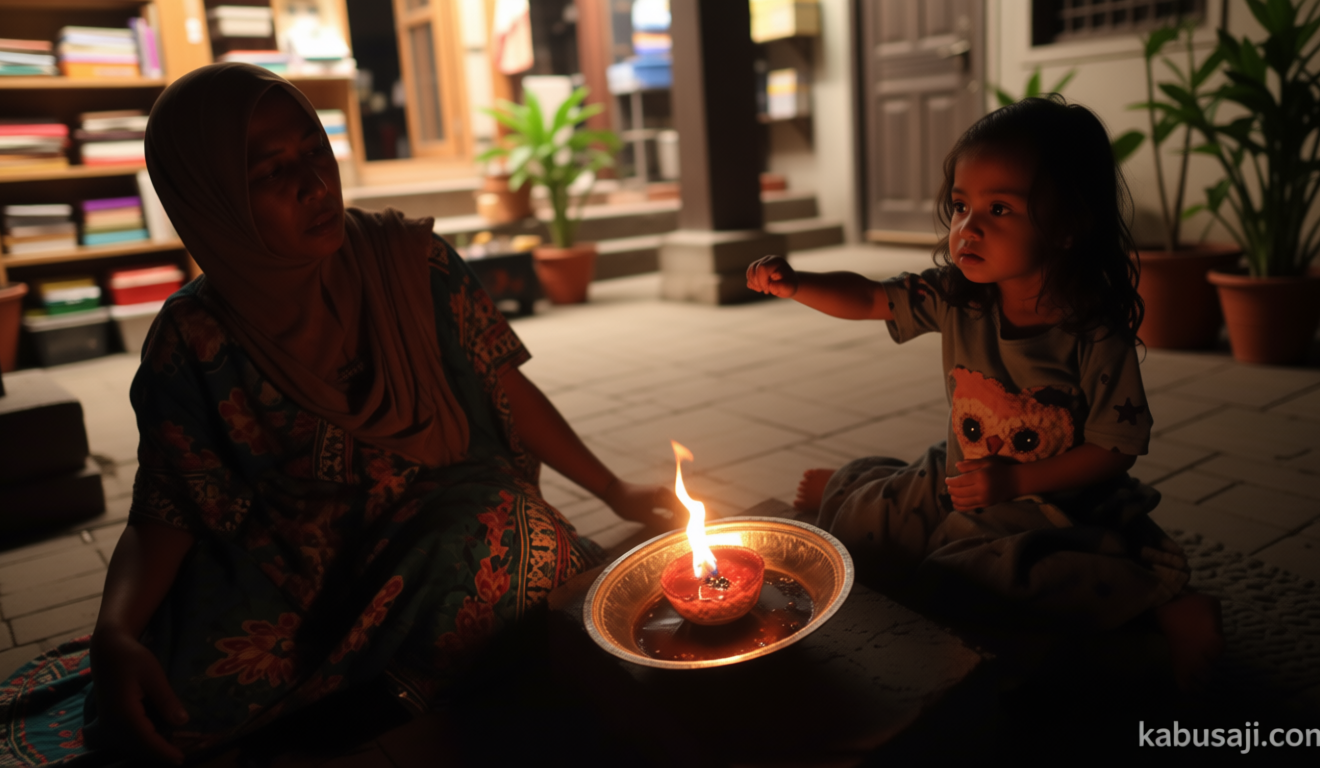
Glib Talk about Blackouts – Indonesia’s recent power outages, dubbed “Glib Talk About Blackouts,” have exposed a deeper crisis in the country’s energy management. Java and Bali, two of Indonesia’s most densely populated regions, have endured scheduled electricity cuts due to a critical shortage of coal supplies. Despite the nation’s extensive coal reserves, power plants are grappling with insufficient fuel, disrupting energy distribution and sparking public frustration. The irony of a coal-rich country facing energy scarcity has ignited online debates, revealing systemic issues in how resources are allocated and managed.
The Faulty Narrative Behind the Blackouts
The state electricity company, PLN, and the Energy and Mineral Resources Ministry have attributed the blackout incidents to localized problems at two power plants. However, critics argue this explanation lacks depth, as the plants’ combined 1,000 megawatts of output represents only a small fraction of Java, Madura, and Bali’s total generation capacity of 49,000 megawatts. With peak demand in the region hovering at 35,000 megawatts, the issue is clearly not isolated but rather a reflection of broader challenges in the energy sector.
“The DMO coal price, set at 25% of domestic supply, significantly lags behind international market rates,” said Energy Minister Bahlil Lahadalia. He added that this pricing discrepancy has incentivized producers to prioritize overseas sales, where profits are higher. The result, he noted, is a shortage of coal for local power plants, undermining the nation’s energy security and exacerbating the blackout problem.
Systemic Challenges in Coal Production
One of the primary causes of the coal shortage lies in the Ministry’s decision to slash the annual production target (RKAB) by 600 million tons last year. This cut reduced the goal far below the 2025 target of 790 million tons, creating a gap between supply and demand. The shift from a three-year planning cycle to annual adjustments has introduced volatility, forcing PLN to depend on the spot market for coal. This market, known for its fluctuating prices and inconsistent deliveries, has also enabled rent-seeking behaviors by private suppliers, further straining the energy grid.
Moreover, the coal shortage is not just about quantity but quality. Power plants require medium-calorific-value coal to operate efficiently, yet only 20% of national production consists of this type. The remaining 80% is low-calorific coal, which is often exported for higher profits. This has left domestic plants with insufficient high-quality fuel, forcing them to limit output and contribute to the ongoing blackout situation.
Broader Implications for Energy Governance
The crisis highlights a pattern of poor governance in Indonesia’s energy sector. Overreliance on coal-fired power plants, combined with take-or-pay agreements that favor larger suppliers, has marginalized smaller companies and created an imbalance in resource distribution. Additionally, delayed government compensation for PLN has worsened its financial health, making it harder to secure reliable coal supplies. These factors, coupled with a lack of transparency in production cuts, have led to chaotic management of the electricity grid, even in a country with abundant coal reserves.
Experts warn that the current approach risks long-term consequences. Without addressing the root causes of the coal shortage—such as the misaligned production targets and pricing policies—the “Glib Talk About Blackouts” narrative may persist. The energy sector’s instability not only affects daily life but also threatens economic growth, as industries reliant on consistent power face disruptions. This calls for urgent reforms to ensure sustainable energy management and prevent future crises.