Former US Fed Chair Alan Greenspan Dies Aged 100
pan Passes Away at Age 100 Former US Fed Chair Alan Greenspan, the legendary economist who led the US Federal Reserve for nearly two decades, has passed away
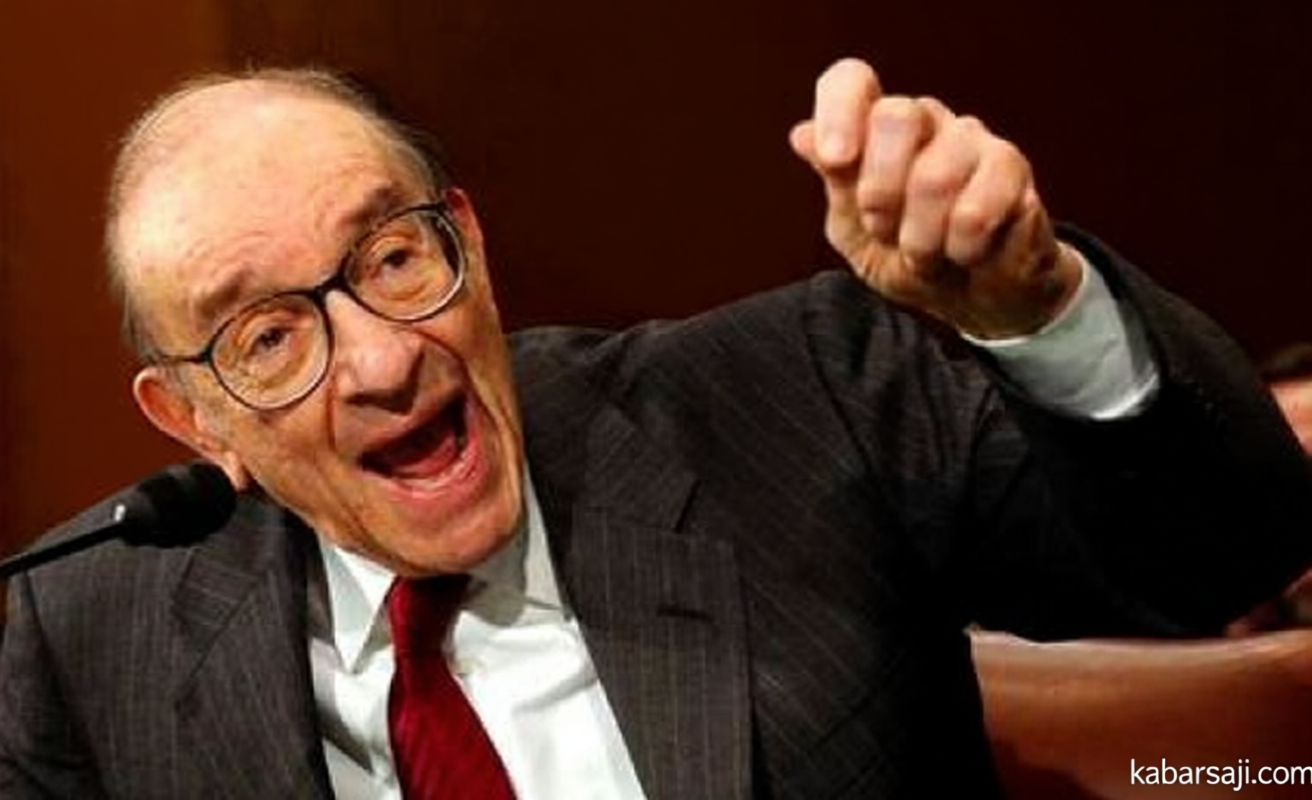
Former US Fed Chair Alan Greenspan Passes Away at Age 100
Former US Fed Chair Alan Greenspan, the legendary economist who led the US Federal Reserve for nearly two decades, has passed away at the age of 100, according to his family. His death marks the end of an era for American monetary policy, as he was widely regarded as one of the most influential figures in modern central banking. Greenspan’s tenure, which began in 1987 and ended in 2006, shaped the economic landscape of the United States during a transformative period, including the end of the Cold War and the Dot-com Bubble. His leadership was characterized by a combination of economic foresight and a deep commitment to market principles, leaving a lasting impact on both the Fed and the global financial system.
A Pioneering Career in Central Banking
Alan Greenspan’s career as a central banker began long before he became chair of the Federal Reserve. As a member of the Fed’s Board of Governors from 1974 to 1987, he laid the groundwork for his later influence by contributing to the stabilization of the US economy during the 1970s and early 1980s. His leadership at the Fed, which spanned 19 years, was pivotal in steering the nation through major economic shifts, including the early 1990s recession and the 2001 tech bubble burst. Greenspan’s tenure was often lauded for its calm and steady approach, earning him the nickname “the oracle” among financial markets.
Throughout his time at the Fed, Greenspan emphasized the importance of maintaining price stability and fostering long-term economic growth. His policies were instrumental in keeping inflation in check and ensuring that the US economy remained resilient during periods of uncertainty. However, his later decisions, particularly his reluctance to tighten monetary policy during the 2000s, have been scrutinized in the wake of the 2008 Global Financial Crisis. This period remains a defining moment in his career, as it highlighted the tension between his belief in self-regulating markets and the growing risks within the financial sector.
The Greenspan Put and Market Philosophy
Greenspan’s signature strategy, known as the “Greenspan Put,” became a central tenet of his monetary policy. This concept described the Federal Reserve’s tendency to intervene in financial markets by lowering interest rates or injecting liquidity during times of crisis, thereby providing a safety net for investors. While this approach was praised for its ability to calm markets and prevent economic downturns, it also drew criticism for its potential to create complacency among financial institutions.
“Greenspan’s excessive reliance on the self-regulating aspects of markets seemed dangerously naive, and eventually blew up in his face and everybody’s face,” remarked Alan Blinder, a Princeton economics professor and former Fed vice chair, via AFP. His philosophy of market-driven solutions, though effective in many instances, was challenged when the subprime mortgage collapse triggered the 2007-2008 financial crisis. This event raised questions about the Fed’s role in preventing systemic risks, as Greenspan’s decisions were seen as contributing to the instability that followed.
Despite the backlash, Greenspan’s legacy remains complex and multifaceted. His influence extended beyond the Fed, as he was a vocal advocate for free-market principles and played a key role in shaping economic thought during the late 20th and early 21st centuries. Scholars and policymakers continue to debate his impact, with some crediting him for maintaining economic stability and others questioning his judgment during critical moments of financial turmoil.
Post-Fed Influence and Personal Life
After leaving the Federal Reserve in 2006, Greenspan continued to contribute to economic discourse through his consulting firm, Greenspan & Co., and advisory roles with major financial institutions. He became a sought-after speaker and commentator, offering insights on global economic trends and