
Firefighters Battle Wildfires Across Southern Europe
Southern Europe Firefighters Battle Wildfires Across Southern Europe - As wildfires continue to wreak havoc across southern Europe, emergency crews are
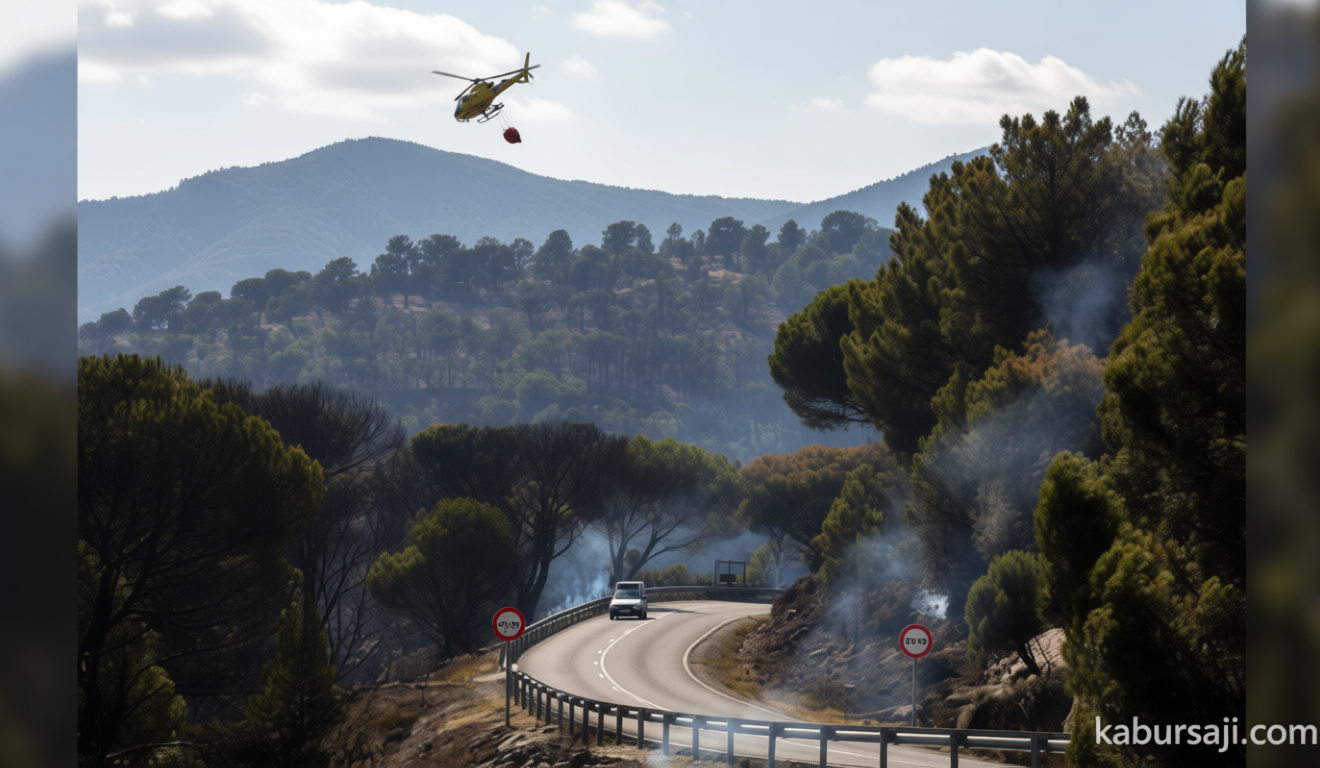
Firefighters Battle Wildfires Across Southern Europe
Firefighters Battle Wildfires Across Southern Europe – As wildfires continue to wreak havoc across southern Europe, emergency crews are working tirelessly to combat the growing crisis. The region, already grappling with prolonged droughts and record-breaking temperatures, has seen blazes spread rapidly through Portugal, Spain, France, Greece, and other neighboring countries. These fires have not only forced thousands of residents to evacuate their homes but have also disrupted major events like the Tour de France, underscoring the severity of the situation. With over 20,000 hectares of land scorched in recent weeks, the need for coordinated efforts and advanced firefighting strategies has never been more critical. The ongoing wildfires are a stark reminder of how climate change is exacerbating environmental challenges, requiring immediate action to protect both people and ecosystems.
Evacuations and Event Adjustments in France
In southwestern France, a rapidly spreading wildfire near Perpignan has prompted the evacuation of 10,500 residents. The blaze, which has consumed over 4,600 hectares of land, has forced authorities to take drastic measures to ensure public safety. One of the most notable impacts has been on the Tour de France, with the third stage of the race through the Pyrenees now scheduled without spectators. This decision, while necessary, has raised concerns about the economic and social repercussions of such large-scale disruptions. Regional prefect Pierre Regnault de la Mothe emphasized the gravity of the situation during a press briefing, stating,
“I regret having to say this: It will be, in France at least, a stage of the Tour de France without spectators.”
The event’s absence of crowds highlights the growing intersection between climate disasters and global sporting events.
The fire in France has also exposed vulnerabilities in rural infrastructure, as emergency services face the dual challenge of protecting communities and preserving natural landscapes. Local authorities have deployed aerial resources, including helicopters and drones, to monitor the spread and target high-risk areas. Meanwhile, efforts to re-establish communication with isolated villages have become a priority, as residents rely on evacuation routes and temporary shelters to stay safe. The incident serves as a microcosm of the broader regional challenges, where rapid response and community resilience are key to minimizing damage.
Spain and Greece: A Dual Firefront
In Spain, wildfires have ravaged the northeastern Girona region, threatening the iconic Costa Brava coastline. The flames, which have burned nearly 2,200 hectares of land, have displaced tourists and endangered both natural habitats and local businesses. Firefighters have been battling the blaze for several days, but its intensity remains a concern due to the region’s dry conditions and strong winds. Similarly, in northern Greece, a forest fire has damaged two factories in Thessaloniki, forcing residents to close windows and avoid outdoor activities to reduce smoke inhalation risks. The Greek government has implemented emergency protocols, including the activation of regional firefighting units and the distribution of air quality alerts to affected areas.
Both countries are experiencing heightened fire risks due to a combination of factors, including prolonged heat waves and rising temperatures. Scientists note that these conditions are exacerbated by climate change, which is altering weather patterns and increasing the likelihood of extreme events. In Spain, the blaze has also sparked discussions about the need for improved land management practices and stricter fire prevention measures in densely populated regions. In Greece, the incident has prompted calls for better urban planning to create firebreaks and protect critical infrastructure from future threats.
Portugal’s Forest Loss and Heat Alerts
A major forest fire in northern Portugal has scorched approximately 13,000 hectares of land, though it has since been contained. Despite the progress, four regions in the country remain under heat alerts, with temperatures expected to rise further in the coming weeks. This has raised concerns about the potential for new outbreaks, particularly in areas where vegetation is still dry and susceptible to ignition. The Portuguese government has been working closely with international agencies to assess the long-term ecological impact of the blaze and to allocate resources for recovery efforts.
Firefighters in Portugal have been utilizing modern technology, such as thermal imaging cameras and satellite monitoring, to enhance their response capabilities. These tools allow for more precise identification of hotspots and improved coordination between ground crews and air support. However, the scale of the disaster has also highlighted the importance of community preparedness, as local volunteers and residents play a crucial role in early warning systems and evacuation logistics. The incident underscores how southern Europe’s climate challenges are evolving, requiring adaptive strategies that combine traditional firefighting methods with innovative climate resilience initiatives.
Global Climate Change and Wildfire Trends
Experts warn that the increasing frequency and intensity of wildfires in southern Europe are directly linked to global climate change. Rising carbon dioxide levels, driven by fossil fuel emissions, have contributed to higher temperatures and prolonged dry seasons, creating ideal conditions for fires to ignite and spread quickly. According to recent studies, southern Europe has seen a 30% rise in wildfire occurrences over the past decade, with the Mediterranean region being particularly vulnerable. This trend is not isolated; similar patterns are observed in other parts of the world, such as California and Australia, where climate-driven disasters have become more common.
Climate change is also affecting the types of vegetation that fuel wildfires, with certain species becoming more prevalent due to shifting weather patterns. In southern Europe, the combination of dense forests and scrubland, along with the presence of dry grasses, has made the region a hotspot for wildfires. Scientists emphasize that while natural factors like drought and wind play a role, human activities such as deforestation and land-use changes have amplified the problem. The need for sustainable practices, including reforestation and controlled burns, has become more pressing than ever to reduce the risk of future catastrophic fires.
Read: Wildfires Rage in Portugal, Greece, France and Spain
Click here to get the latest news updates from Tempo on Google News