Emmanuel Macron Visits Syria, 18 Months After Assad’s Fall
Emmanuel Macron Visits Syria, 18 Months After Assad's Fall Emmanuel Macron Visits Syria 18 Months - French President Emmanuel Macron concluded his official
Emmanuel Macron Visits Syria, 18 Months After Assad’s Fall
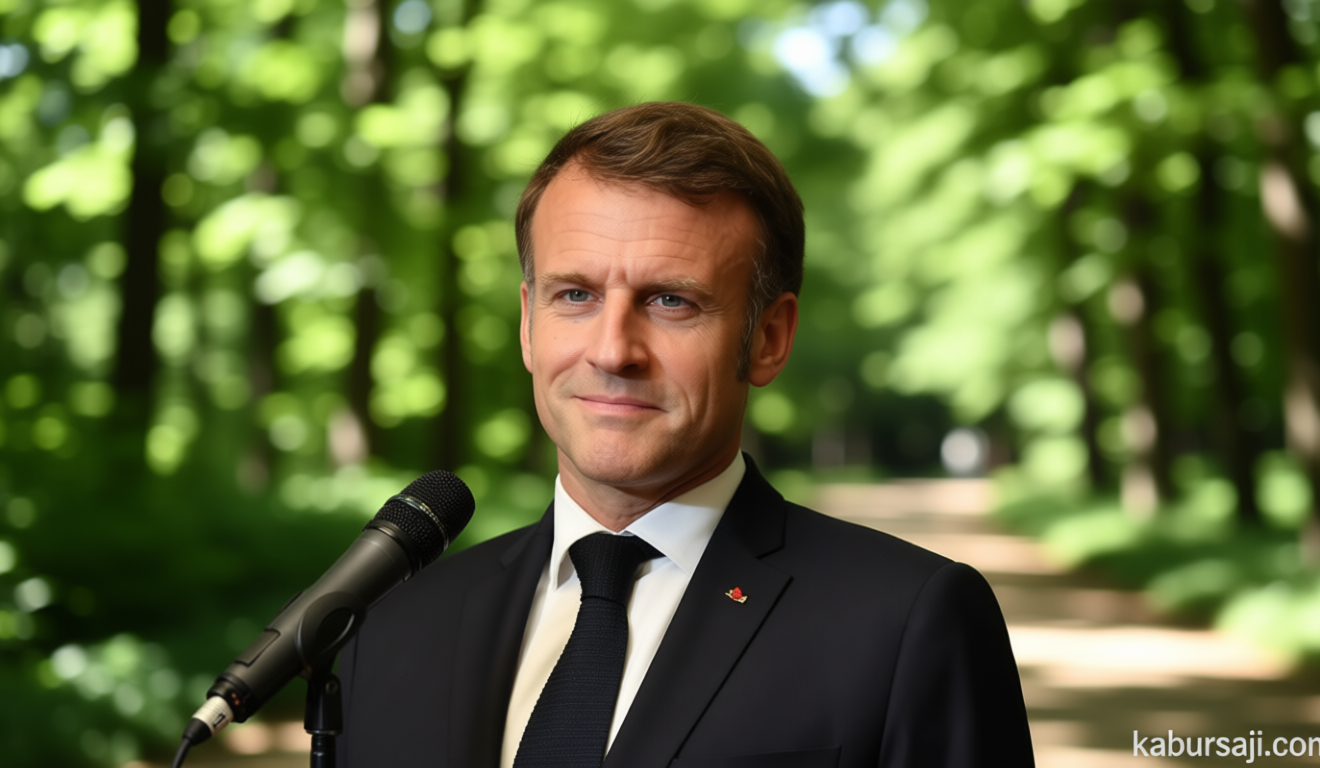
Emmanuel Macron Visits Syria 18 Months – French President Emmanuel Macron concluded his official trip to Syria on Monday, marking the first time a Western European leader has visited the country since its new government took power in December 2024. This landmark visit, which occurred 18 months after the ousting of President Bashar al-Assad, underscores France’s renewed interest in the region and its commitment to supporting Syria’s post-war reconstruction efforts. Macron’s arrival in Damascus was met with diplomatic warmth, as Syrian Foreign Minister Asaad al-Shaibani and his French counterpart Jean-Noel Barrot exchanged formal greetings at the airport, signaling a tentative but meaningful engagement with Syria’s emerging political landscape.
Rebuilding Trust in a Shifting Political Scene
Macron’s decision to visit Syria comes at a pivotal moment, as the country continues to navigate the complexities of transitioning from decades of conflict to a more stable era. The visit followed a series of diplomatic outreach initiatives by the new Syrian government, including negotiations with Turkey and other regional allies. Macron emphasized the importance of fostering unity among Syria’s diverse communities, stating in a post-visit statement, “Our presence here today is a testament to France’s unwavering support for Syria’s path to peace and prosperity.” This sentiment aligns with broader Western efforts to recognize the legitimacy of Syria’s new administration while addressing lingering concerns about security and political stability.
During his two-day stay, Macron met with Syrian leader Amin al-Sharaa, the head of the armed groups that overthrew Assad’s regime. Their discussions focused on consolidating the new government’s authority, addressing internal conflicts, and securing international aid. The French leader also highlighted the need for a unified Syria to attract foreign investment, a key priority for the country’s economic recovery. Macron’s team, which included prominent business figures like CMA CGM CEO Rodolphe Saade and TotalEnergies executive Patrick Pouyanne, underscored the potential for French-Syrian collaboration in infrastructure and energy sectors, areas that have suffered heavily during the war.
Symbolism and Strategic Objectives
The visit carried symbolic weight, as Macron became the first Western leader to step foot in Syria since the 2009 trip by Nicolas Sarkozy. This move was intended to showcase France’s evolving role in the Middle East, shifting from a critical stance during Assad’s rule to one of cautious optimism. Macron’s statement about the visit, which included the phrase “Emmanuel Macron Visits Syria 18 Months After Assad’s Fall,” reflected this strategic pivot. His presence also served to strengthen ties with Turkey, a key ally of the new Syrian government, and to demonstrate France’s commitment to regional stability.
France’s foreign policy under Macron has prioritized rebuilding relationships with countries affected by the Syrian crisis. The visit coincided with ongoing efforts to ease sanctions on Syrian officials, including al-Sharaa, who had previously been linked to militant groups. Macron’s administration played a significant role in advocating for these sanctions to be lifted, viewing it as a step toward normalizing diplomatic ties. The French leader’s engagement with Syria also came amid growing tensions between Western powers and Russia, which continues to support Assad’s former regime through military and political means.
One of the key highlights of Macron’s visit was the return of 23 historical artifacts to Syria, a gesture that symbolized cultural reconciliation and France’s acknowledgment of its historical ties to the country. These items, loaned to the Arab World Institute in Paris since 2010, were temporarily stored due to the war’s instability. The Elysee Palace framed the return as a milestone in restoring Syria’s heritage and reinforcing its status as a nation on the path to recovery. Additionally, Macron announced plans to collaborate with Syria on joint projects aimed at rebuilding infrastructure and revitalizing the economy, areas critical for long-term stability.
Despite these positive developments, challenges remain. Syria’s security situation remains fragile, with sporadic clashes between government forces and Kurdish militias in the northeast, and continued threats from extremist groups like the Islamic State. Macron’s meetings with al-Sharaa included discussions on how to address these issues, particularly in protecting minority communities. The French leader also pressed for greater accountability in the conflict, ensuring that the new government’s actions align with international expectations. As the visit concludes, analysts suggest that Macron’s efforts may set a precedent for other European nations to engage more actively with Syria in the coming years.